Twelfth Week Report: Mabuhay Agritech Ministry, Iloilo, Philippines – November 12, 2023
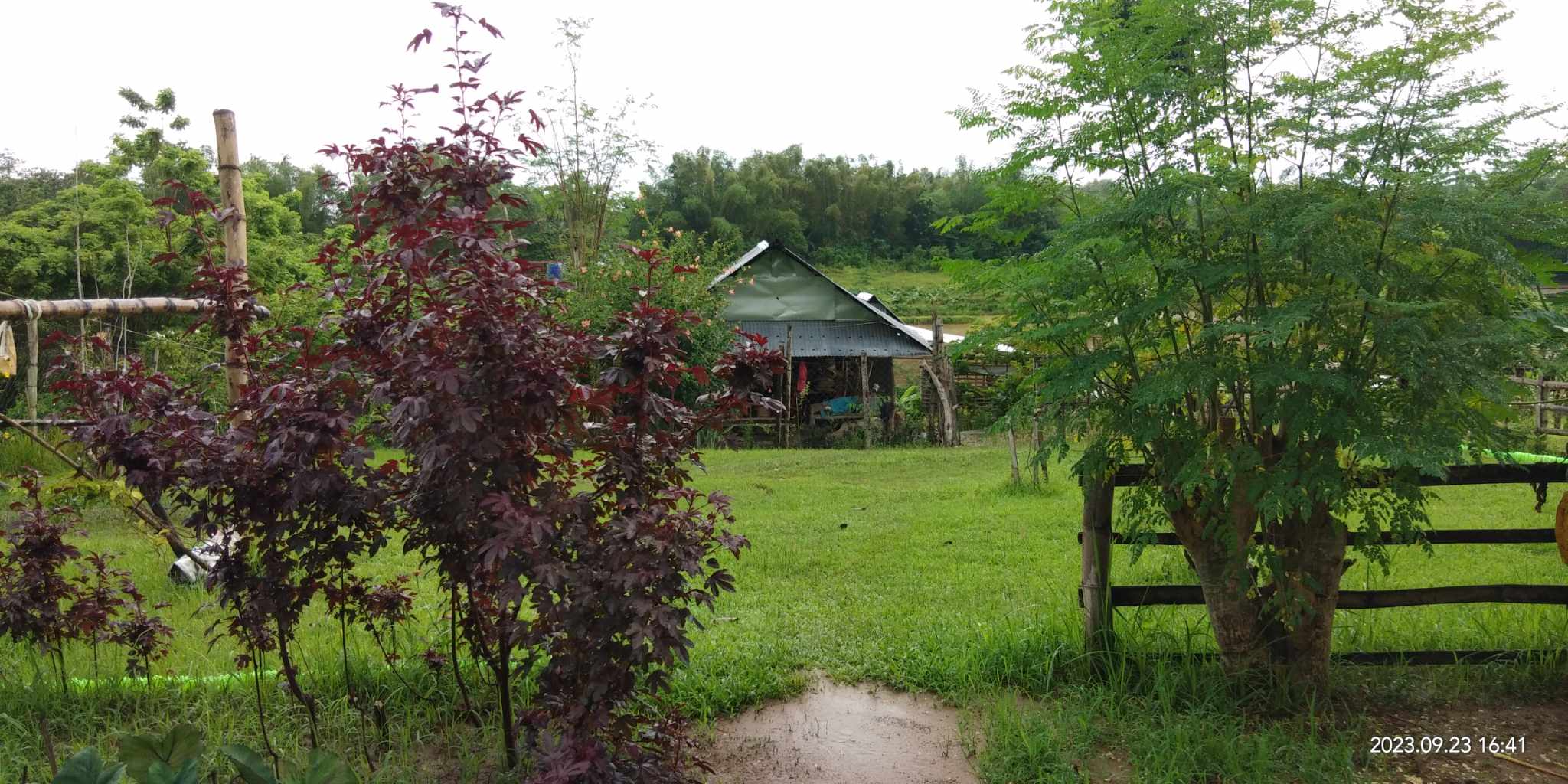
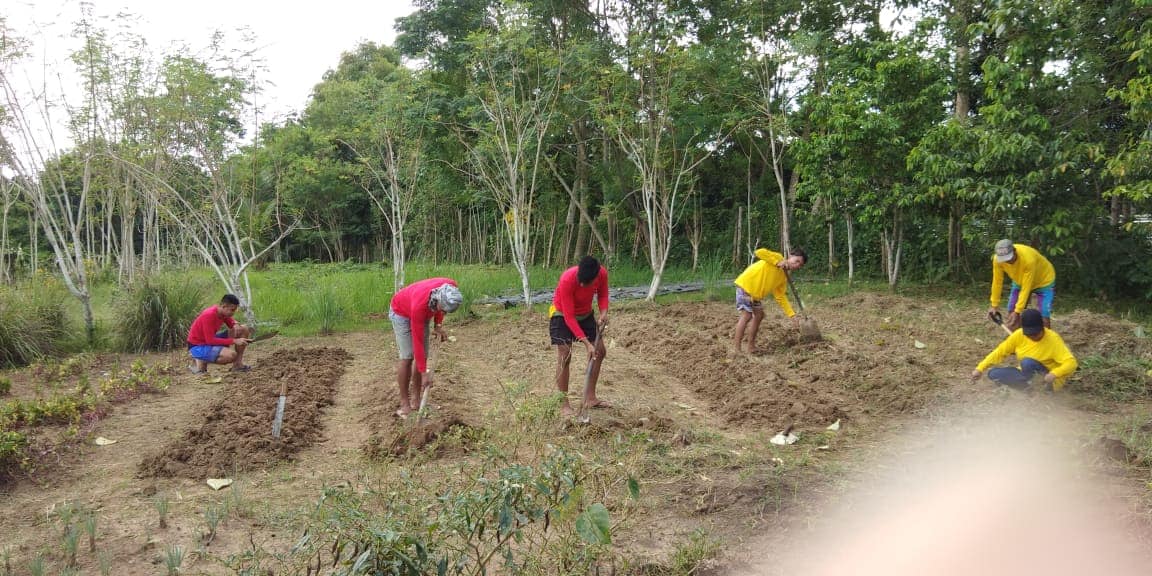
The Mabuhay Agritech mission project is winding down in Sitio Bitin, Barrio Janipaan Oeste, New Lucena, Iloilo.
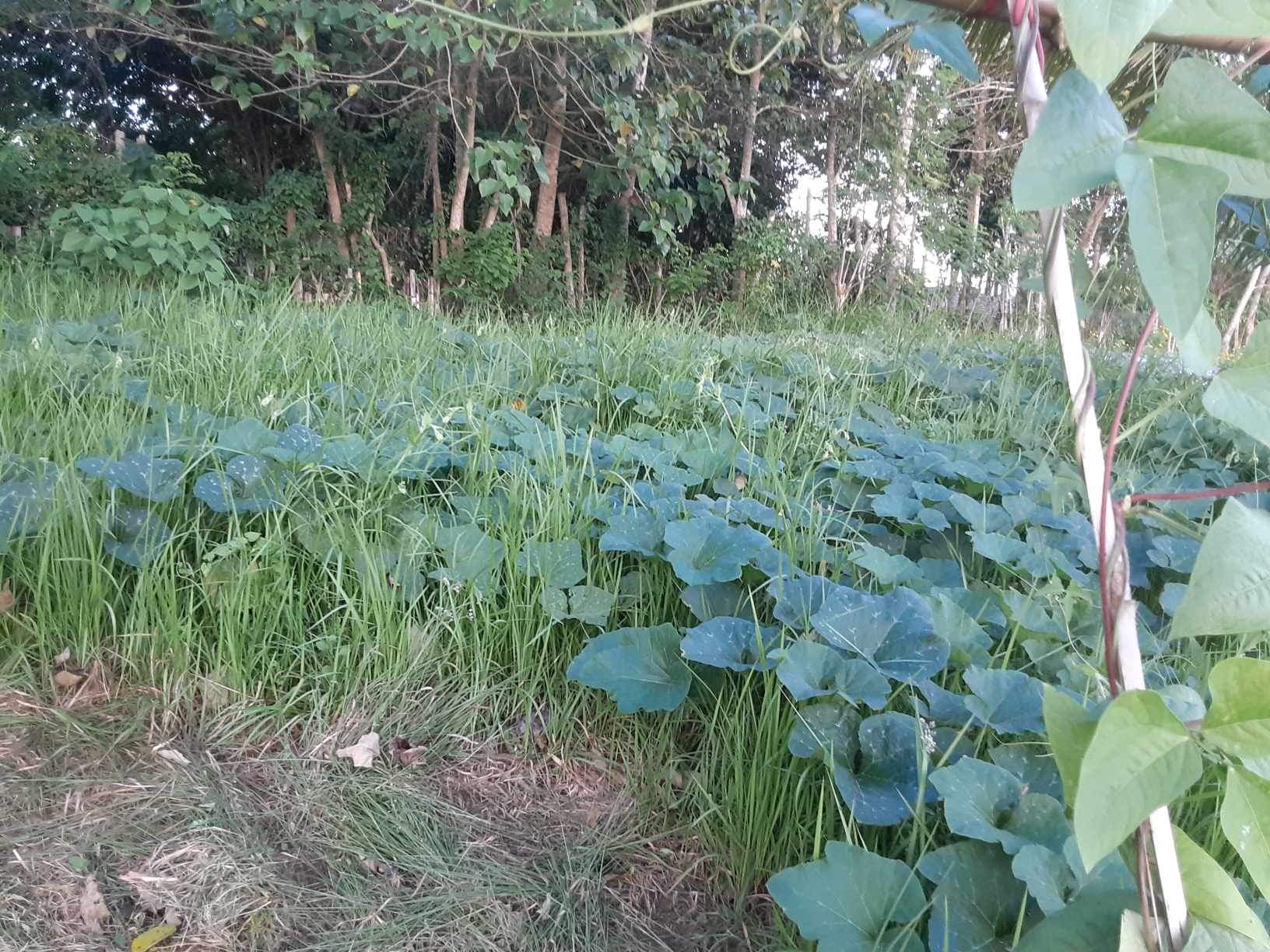
They are now in their twelfth week, all they are waiting on now is for their plants to develop into fruit so they can be harvested.
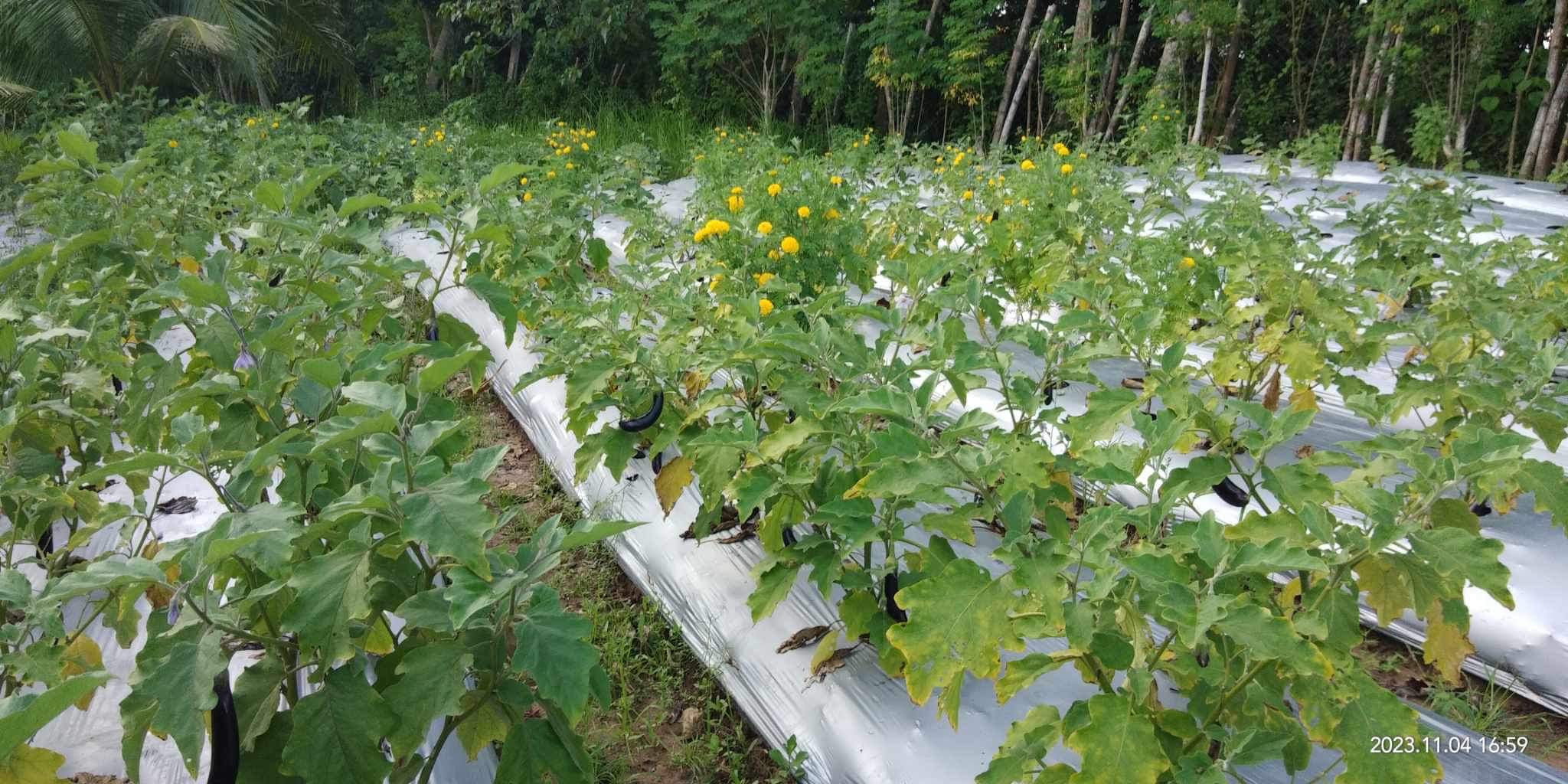
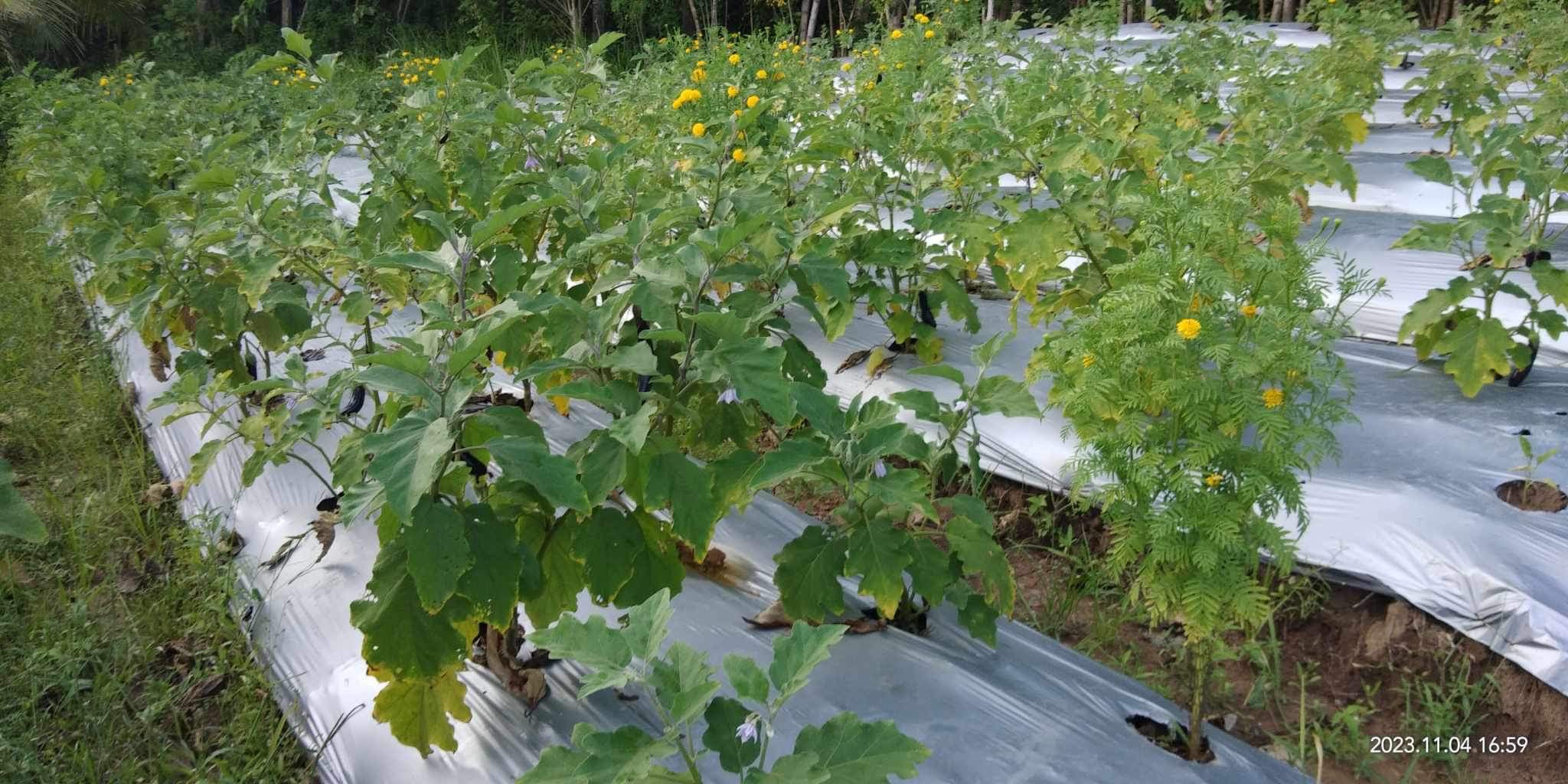
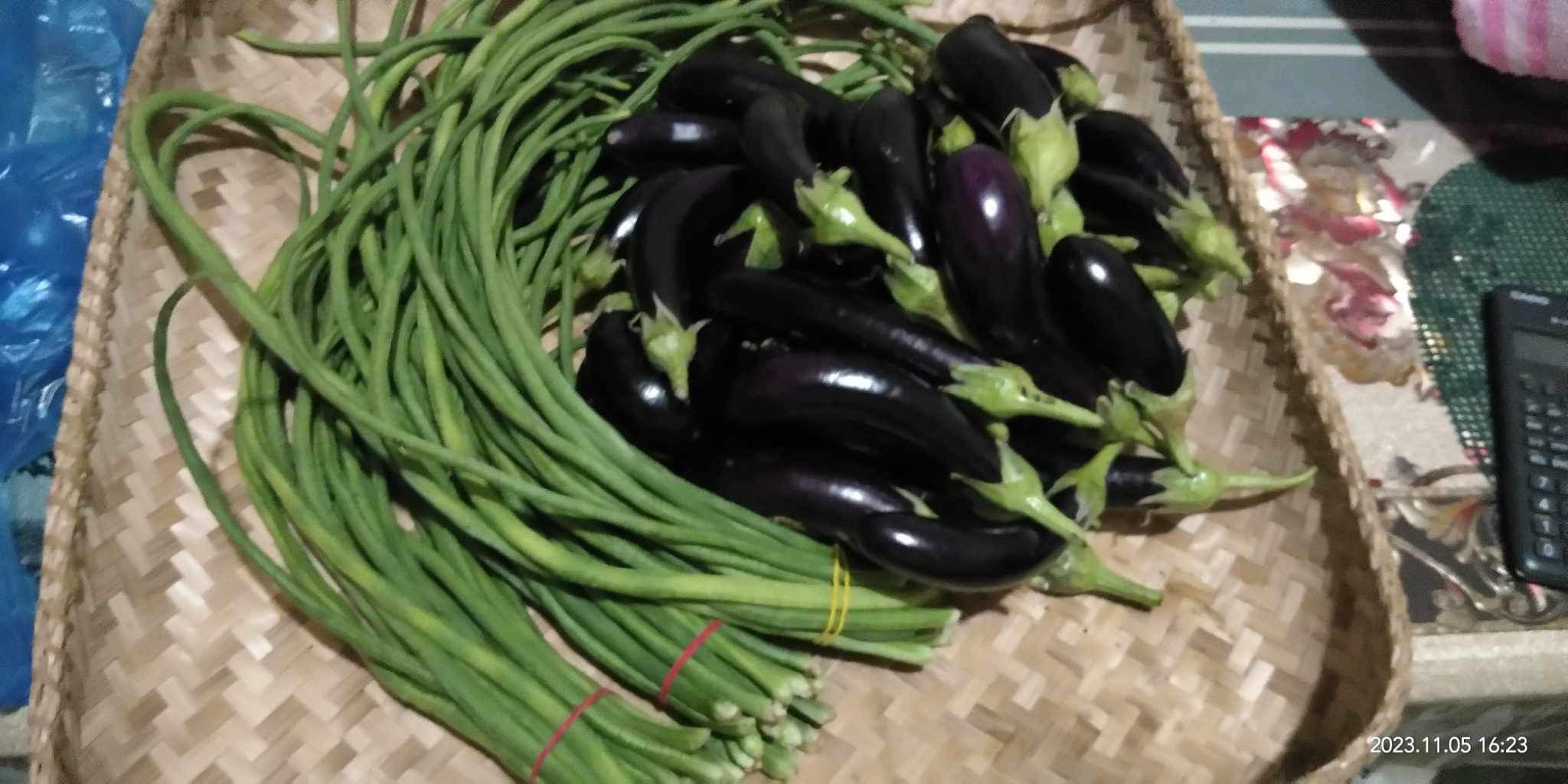
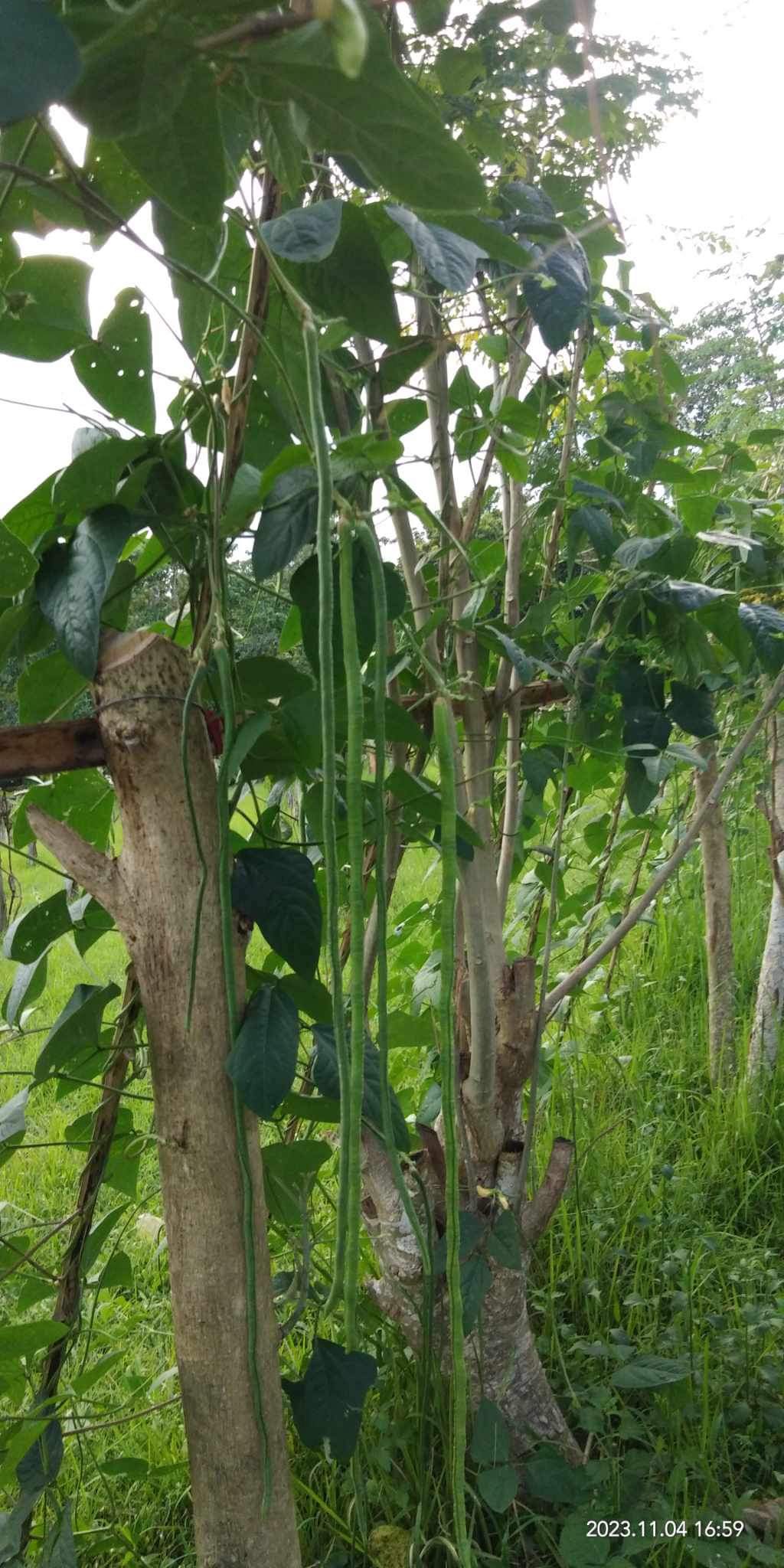
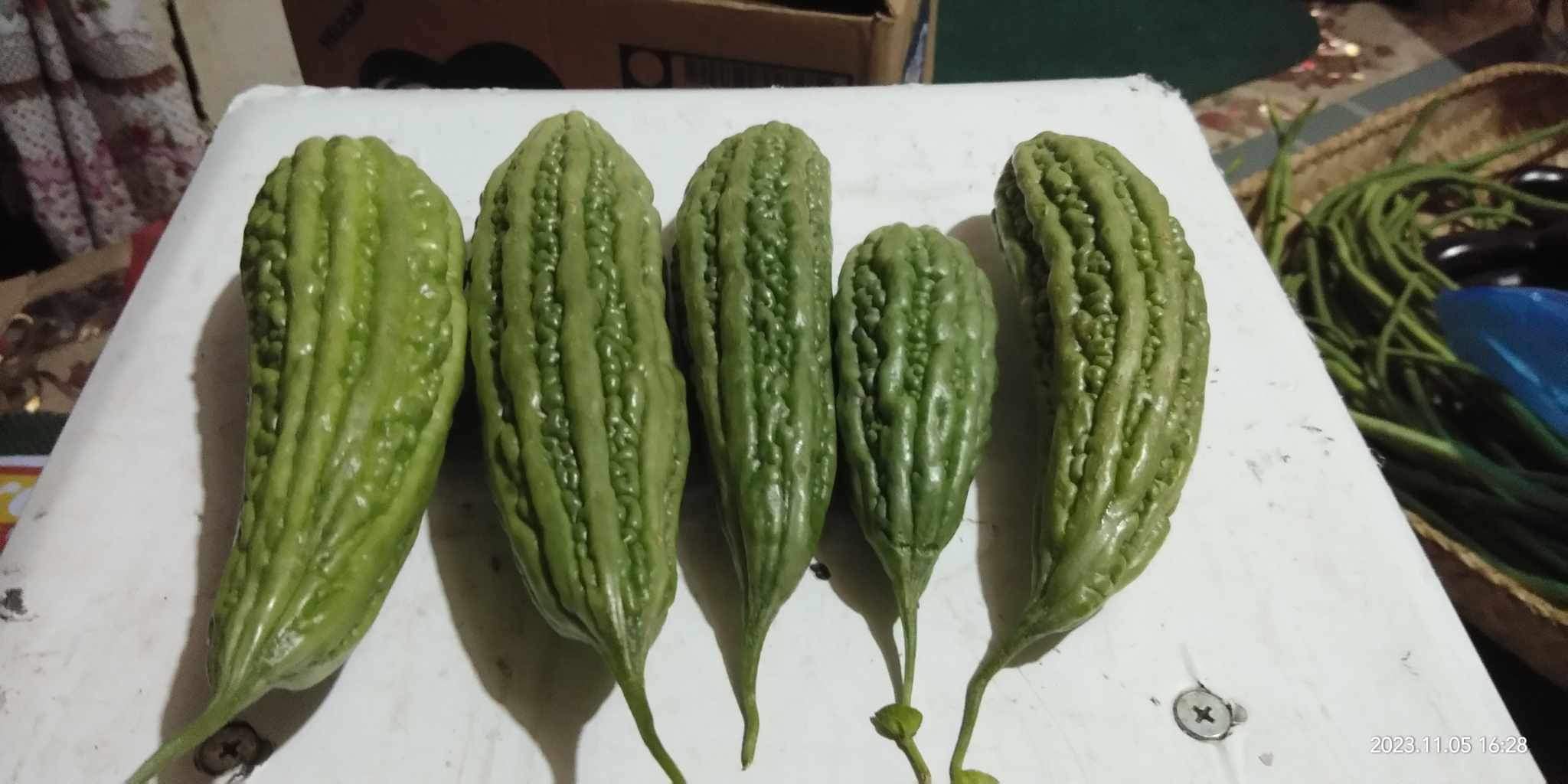
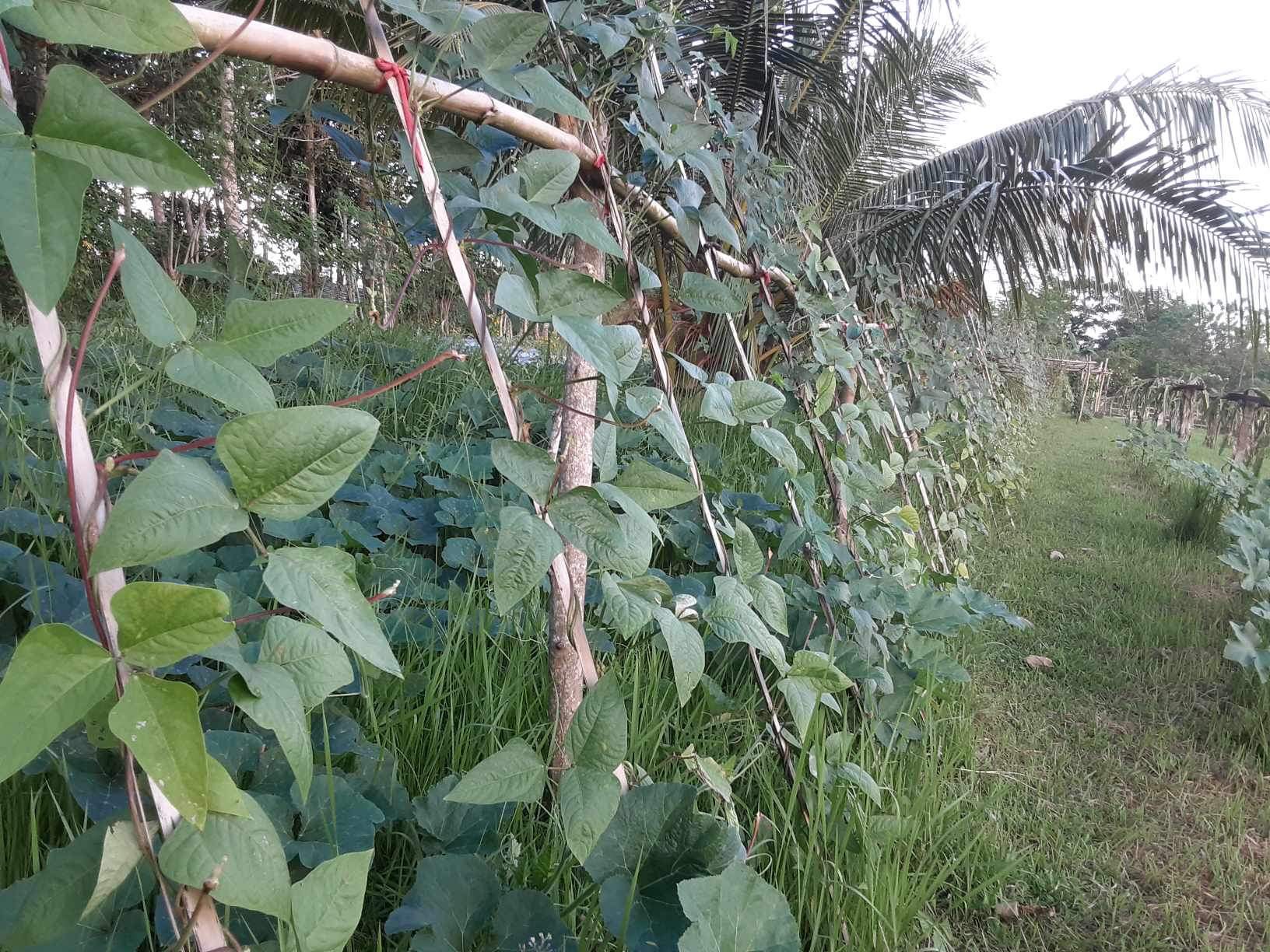
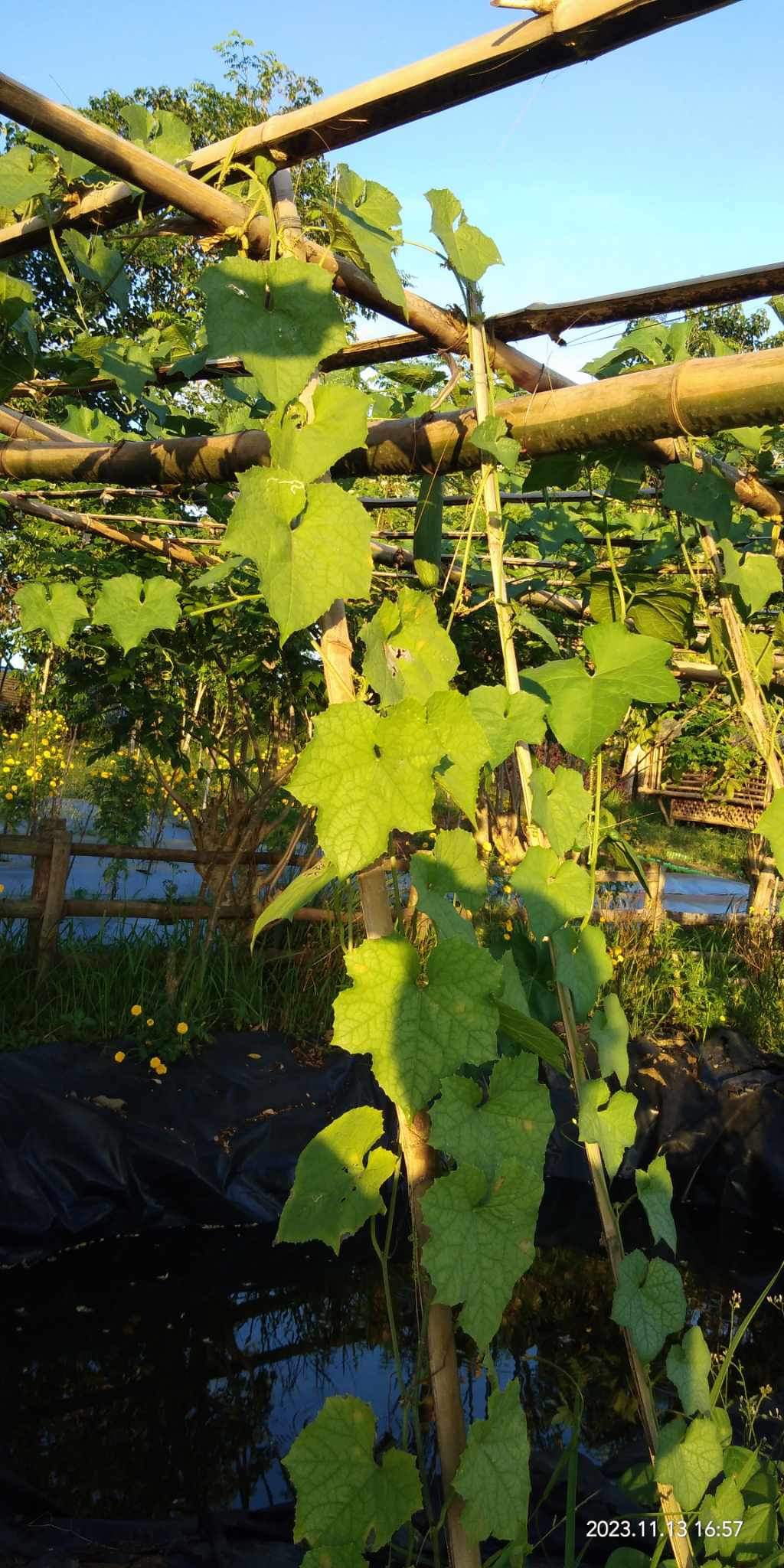
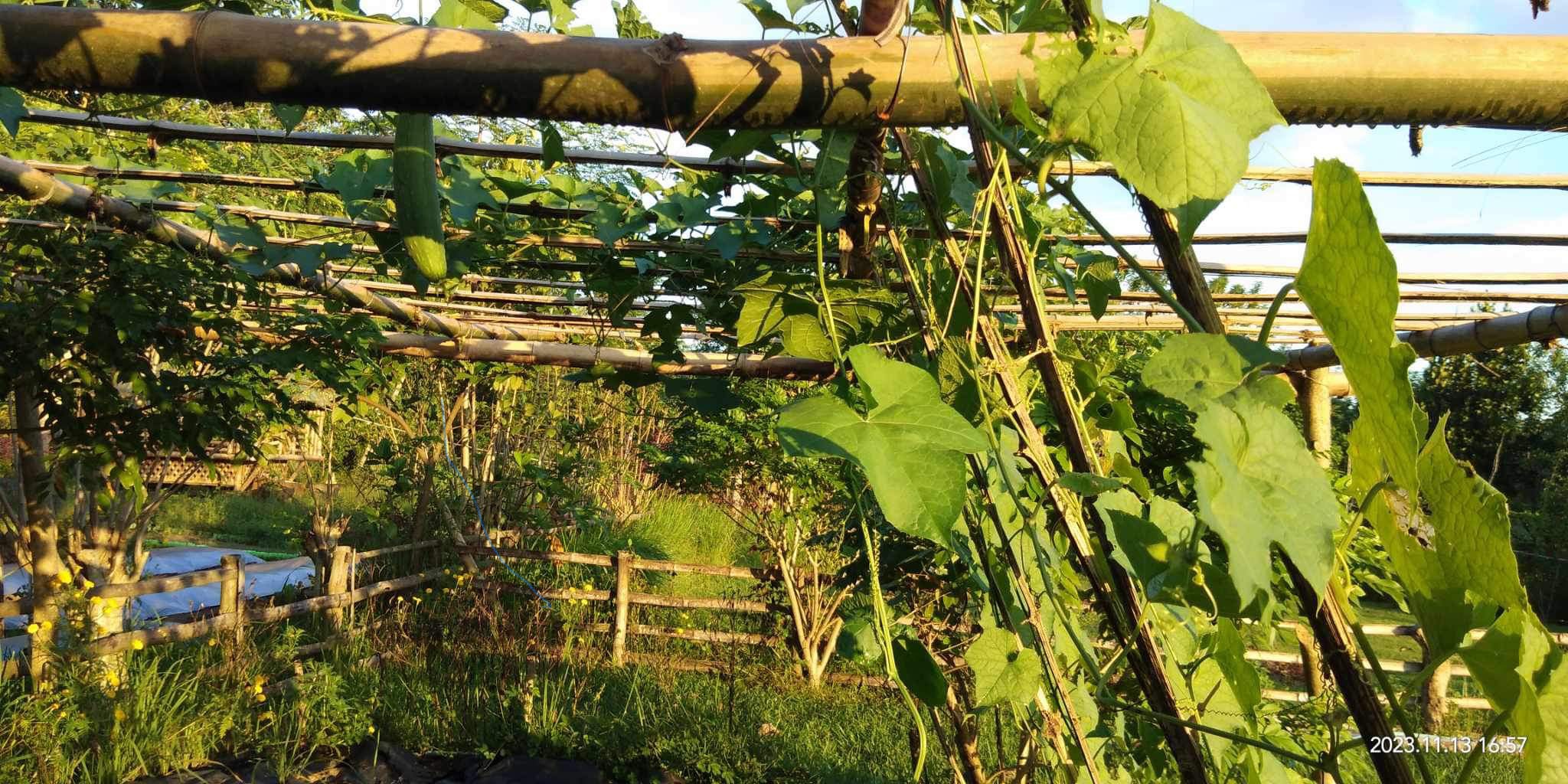
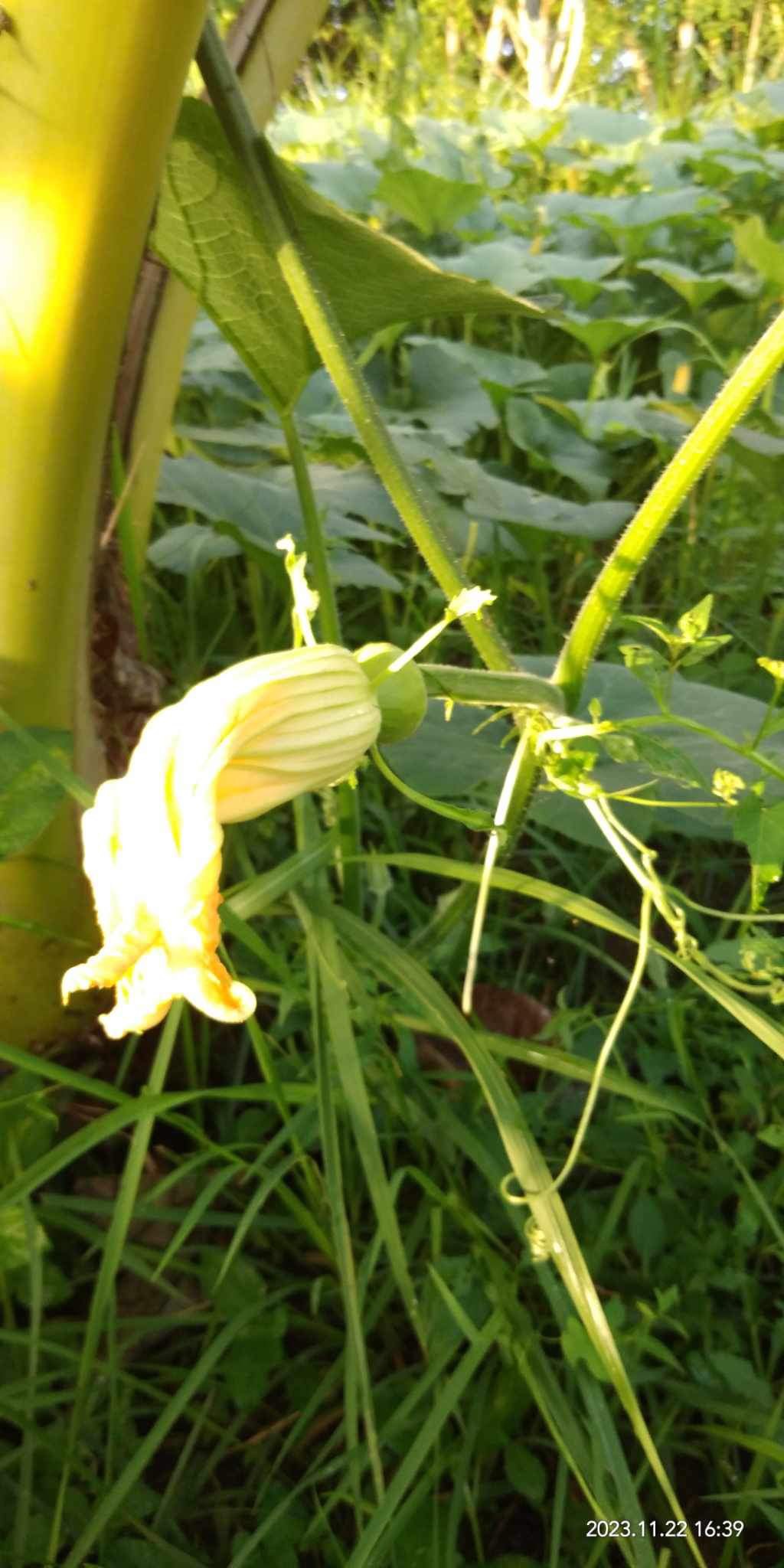
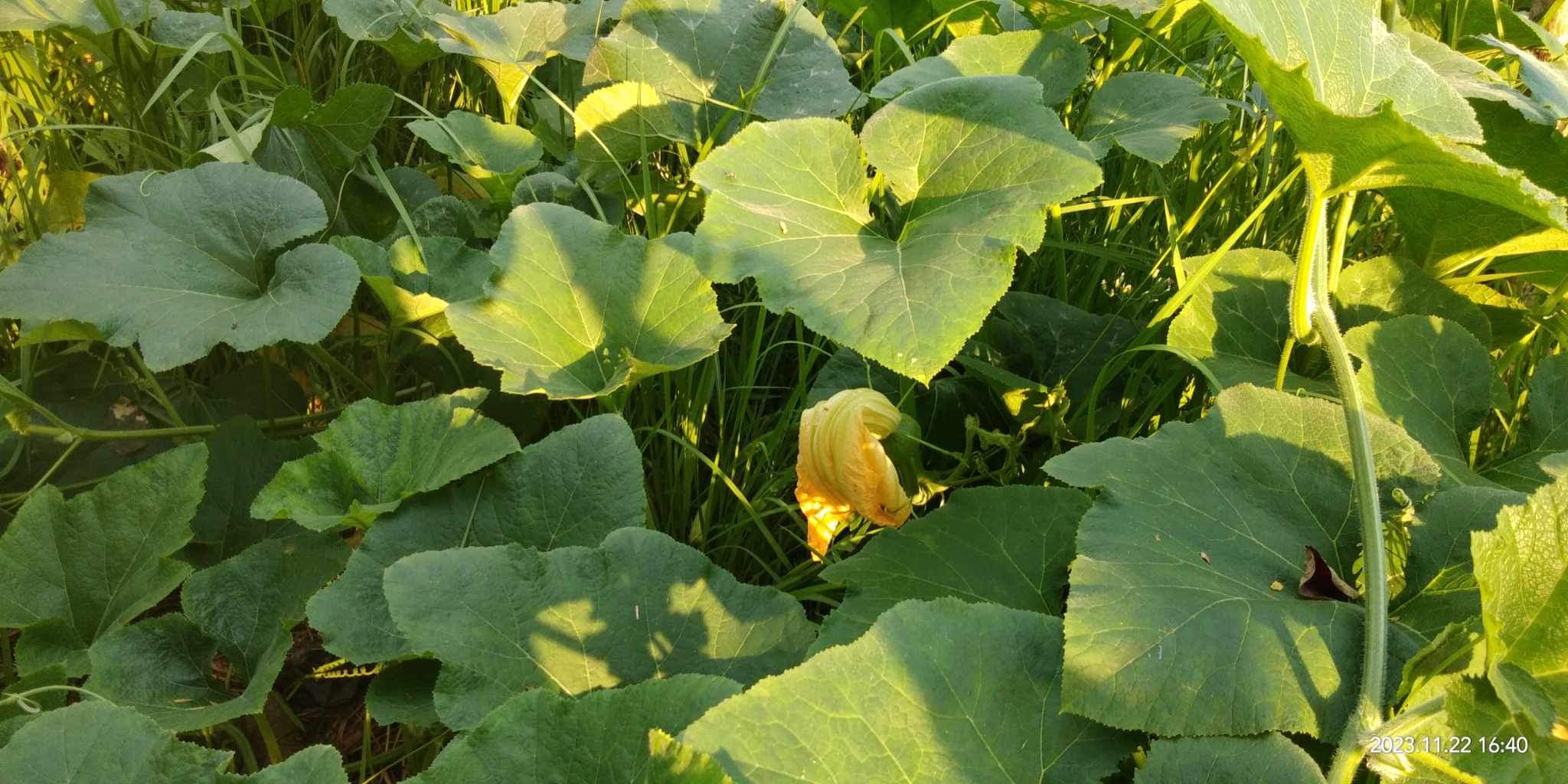
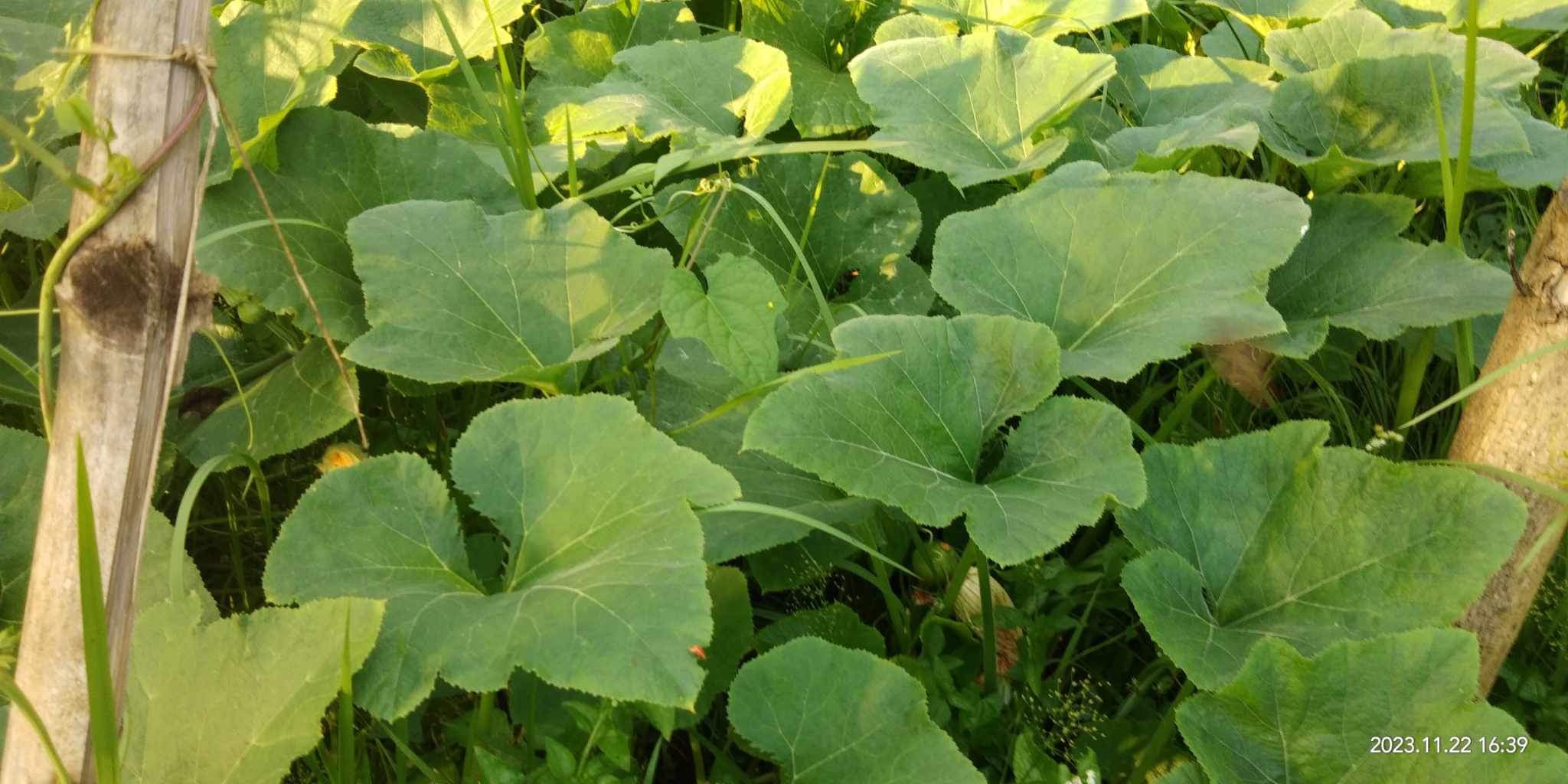
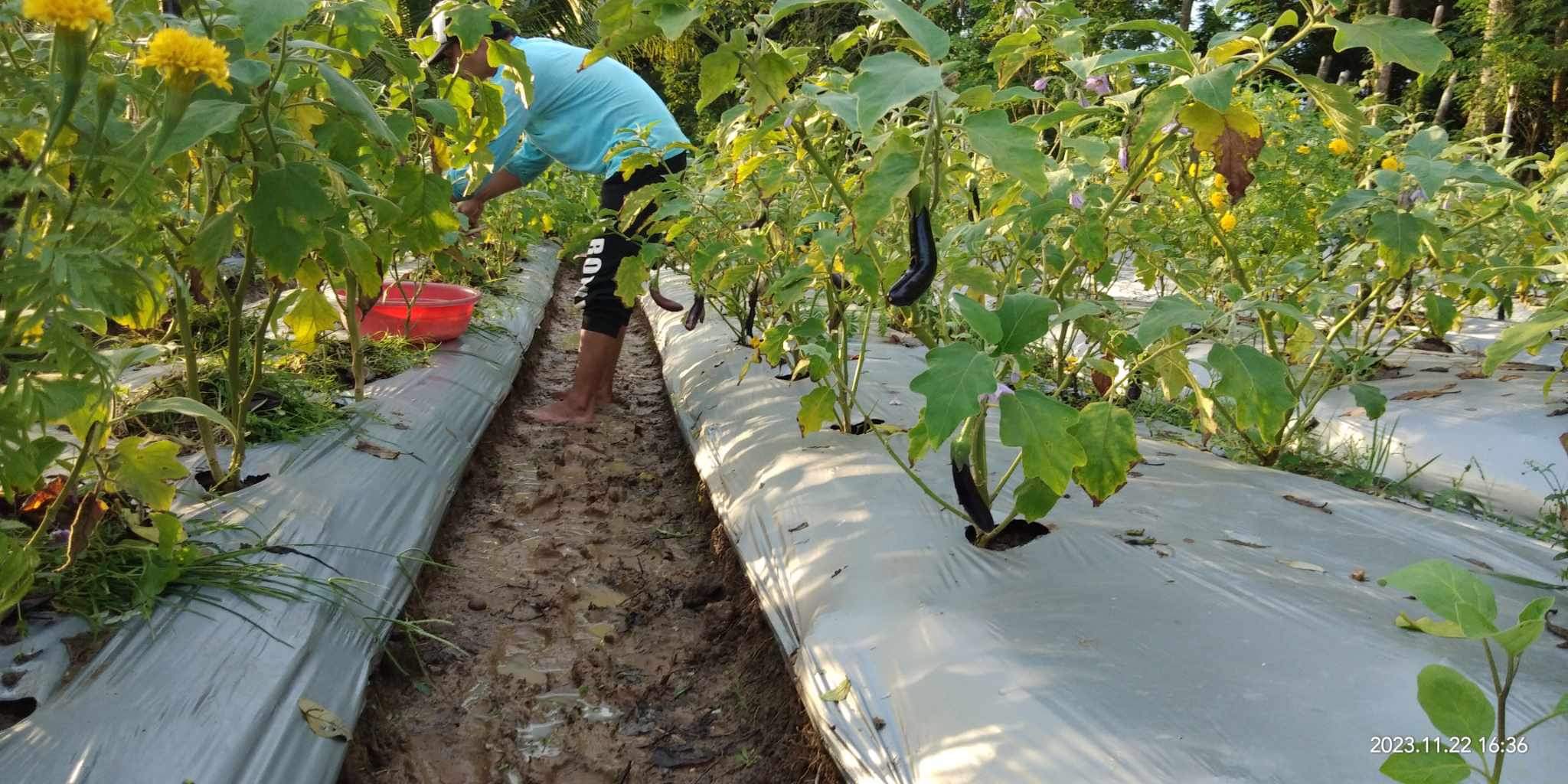
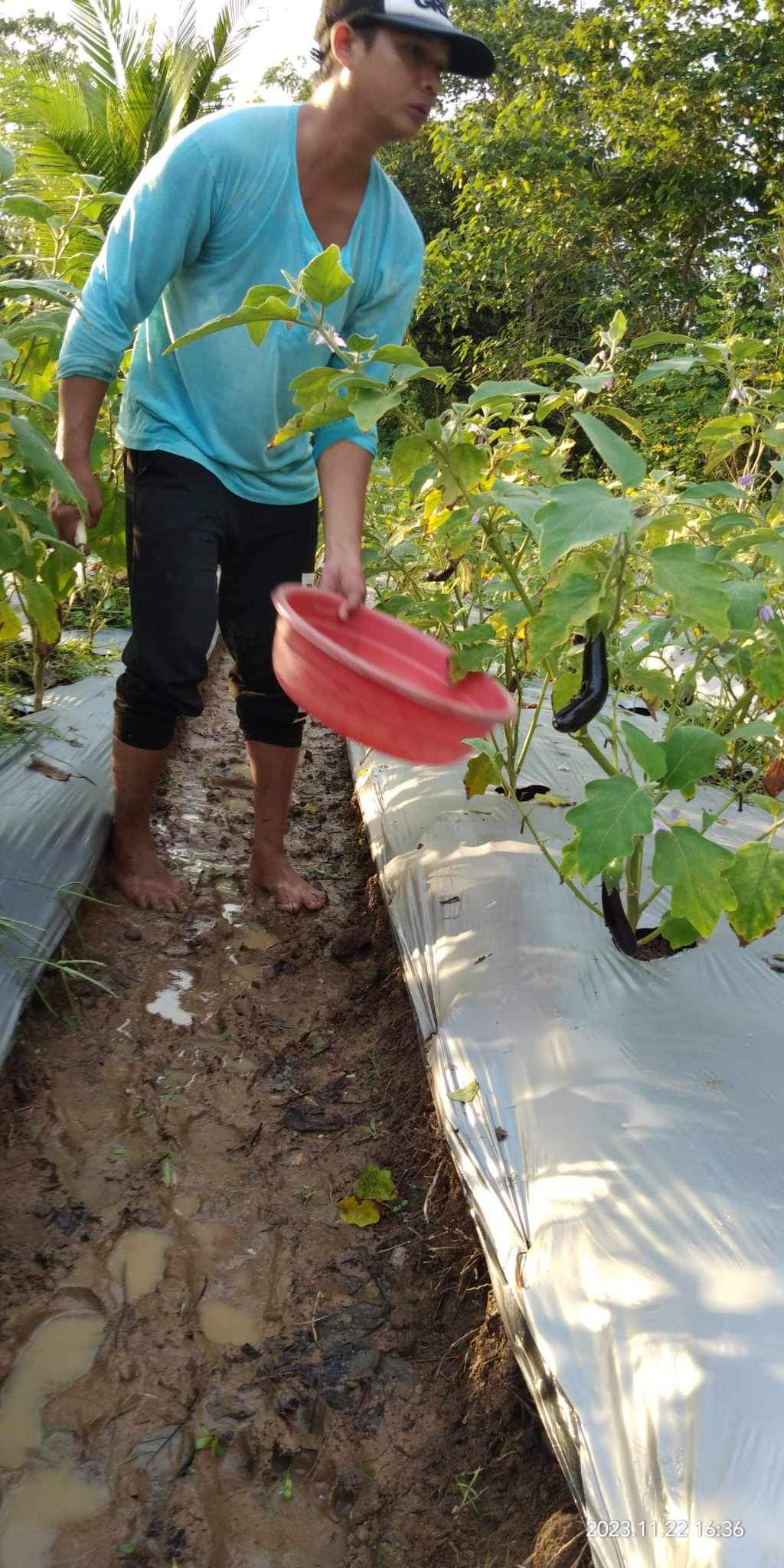
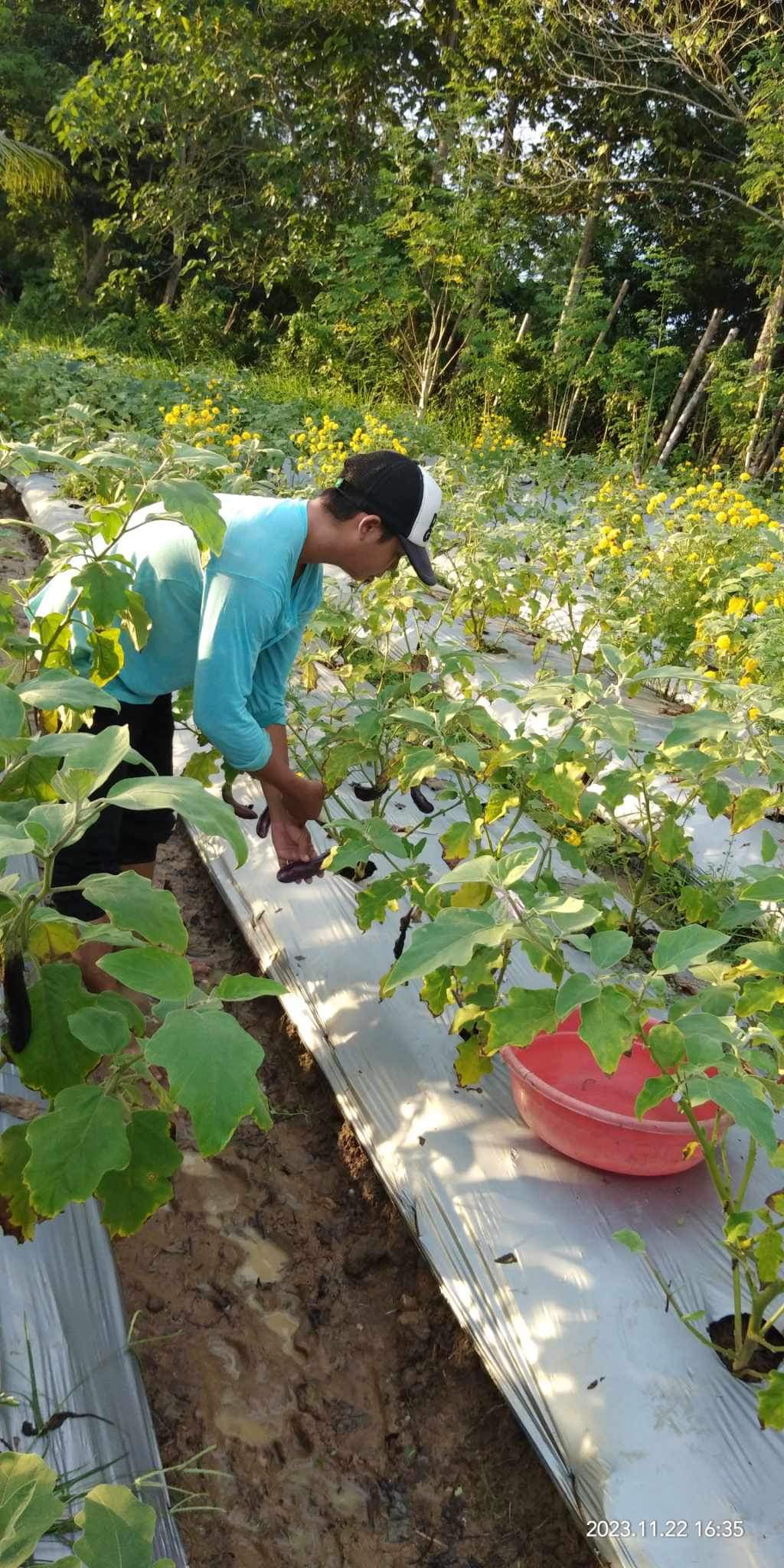
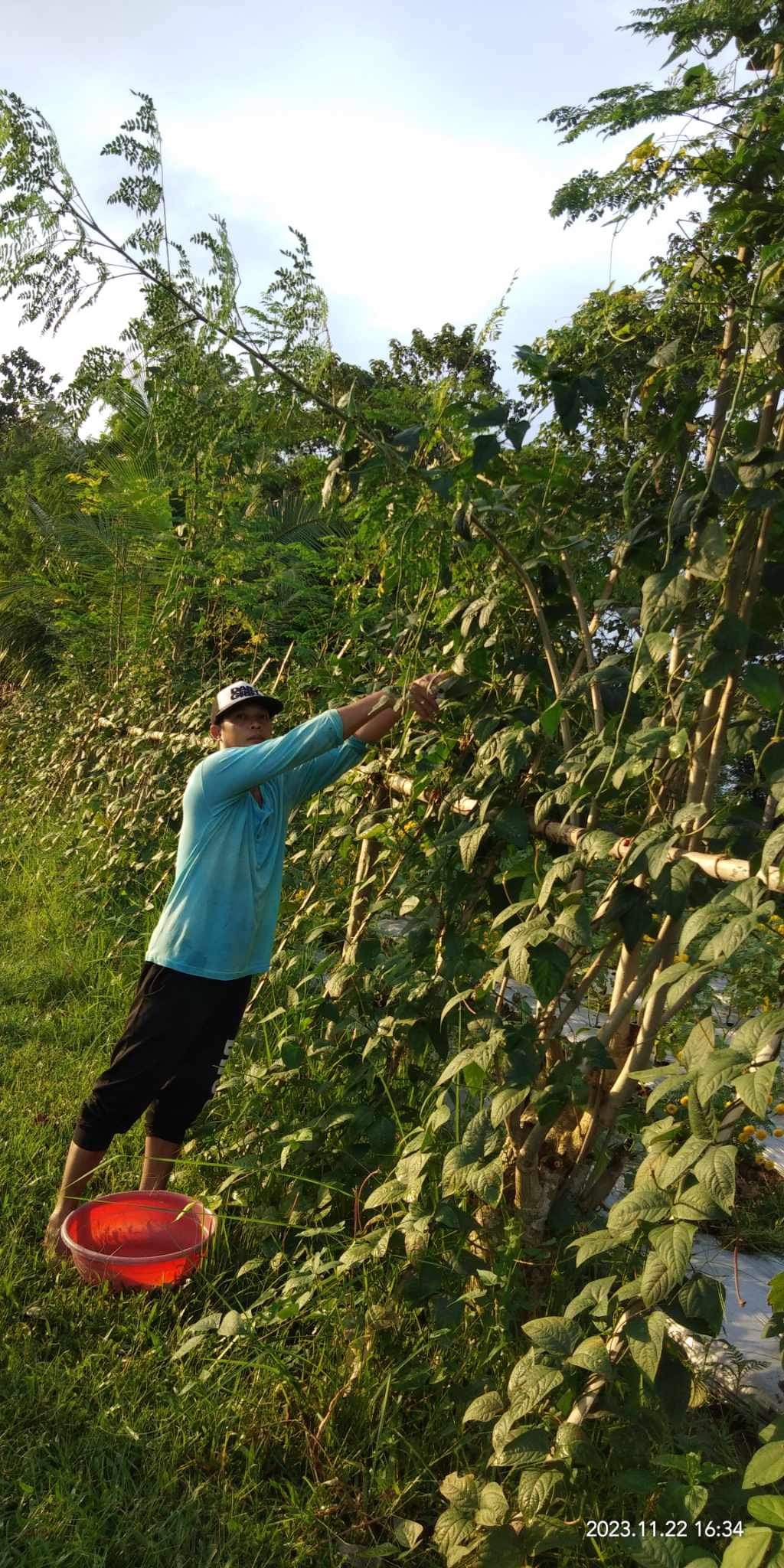
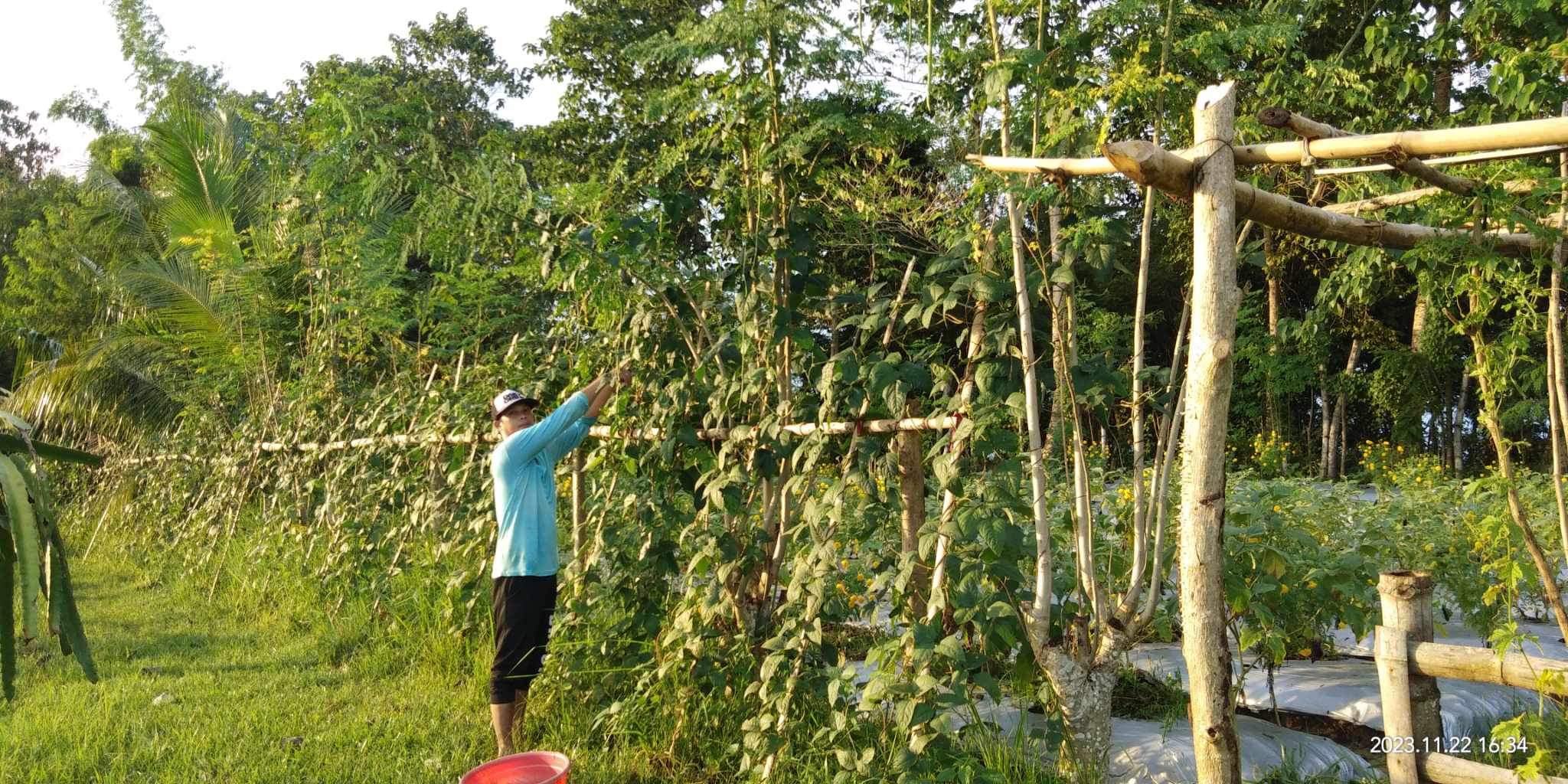
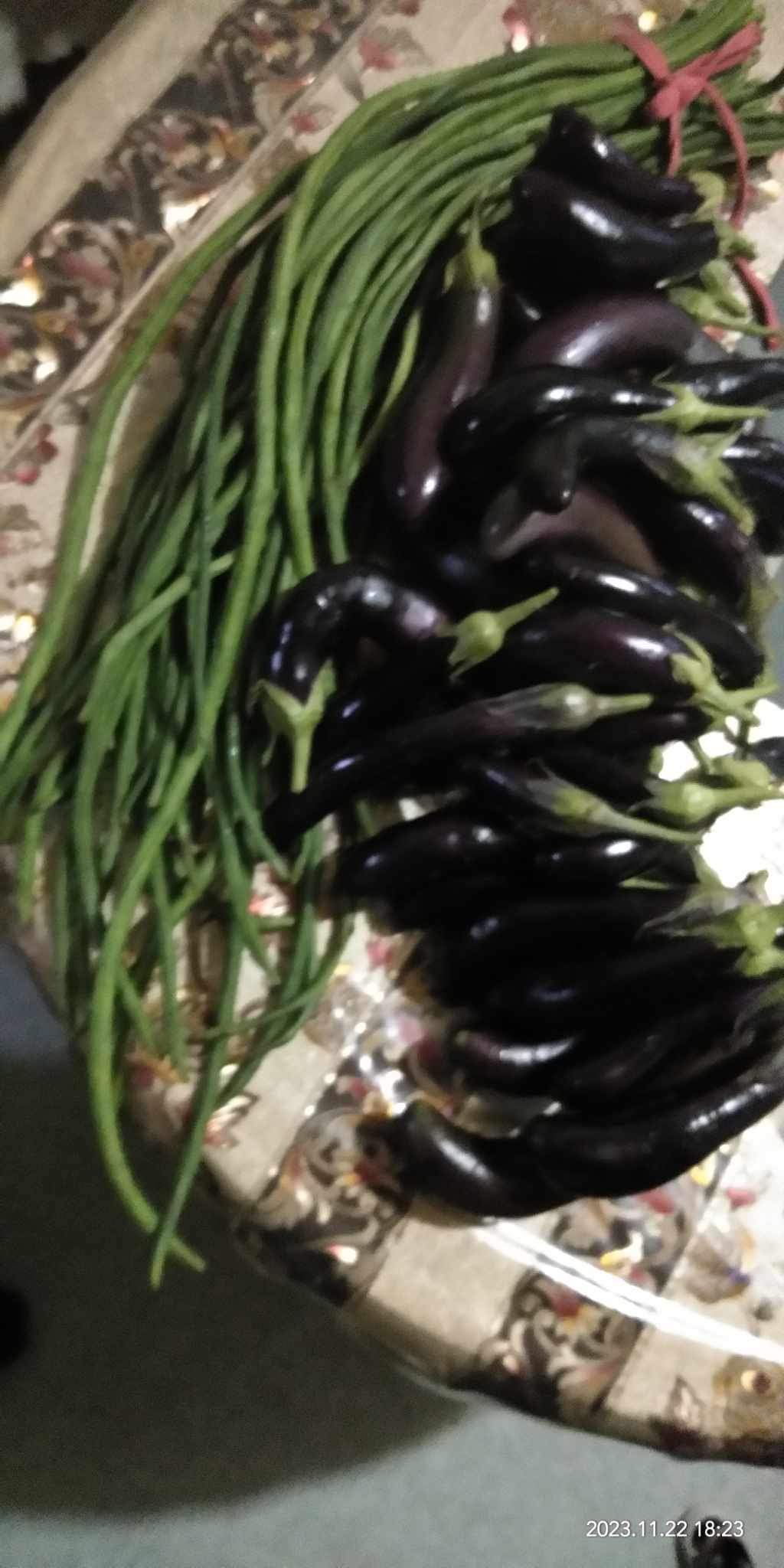
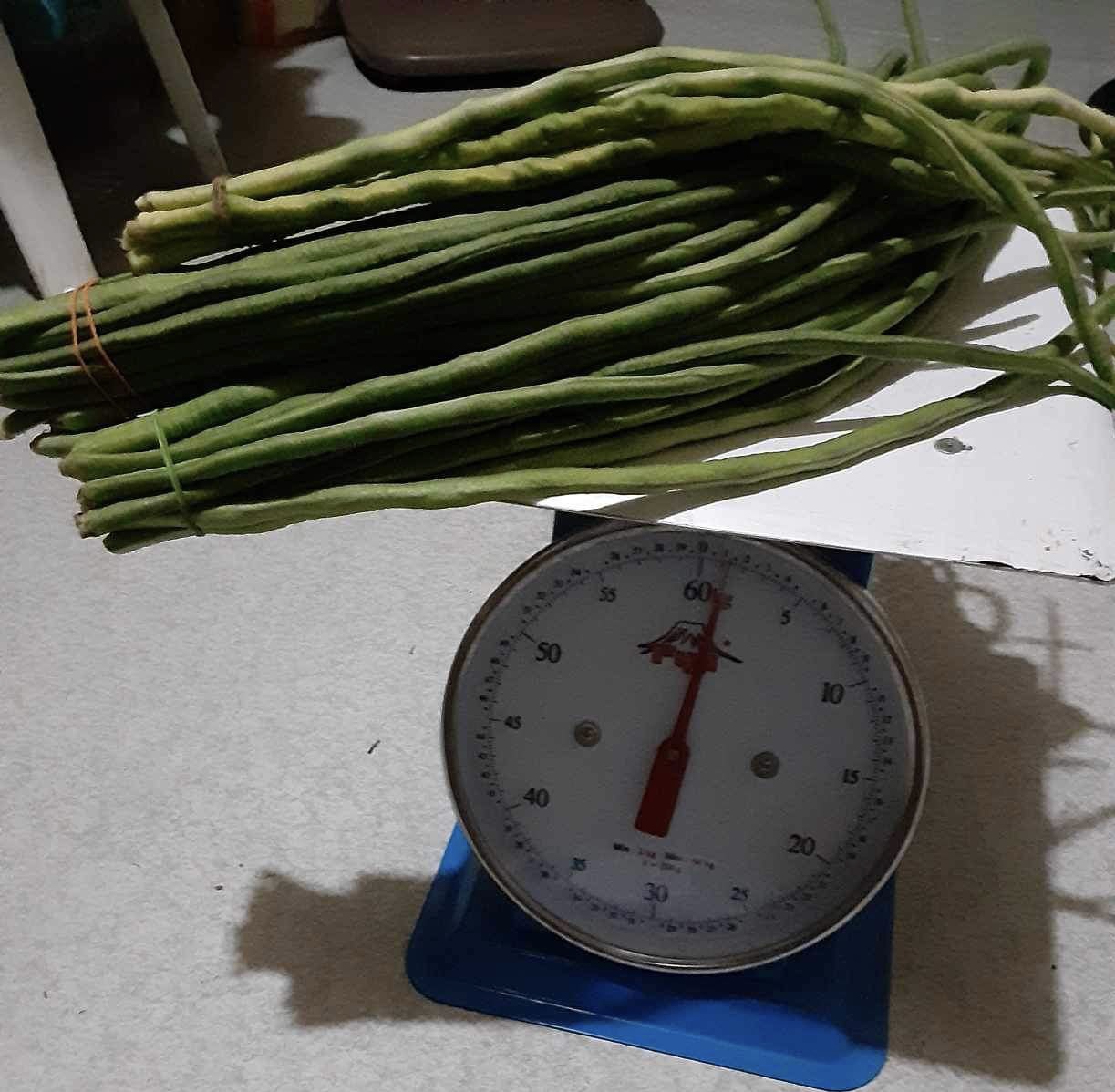
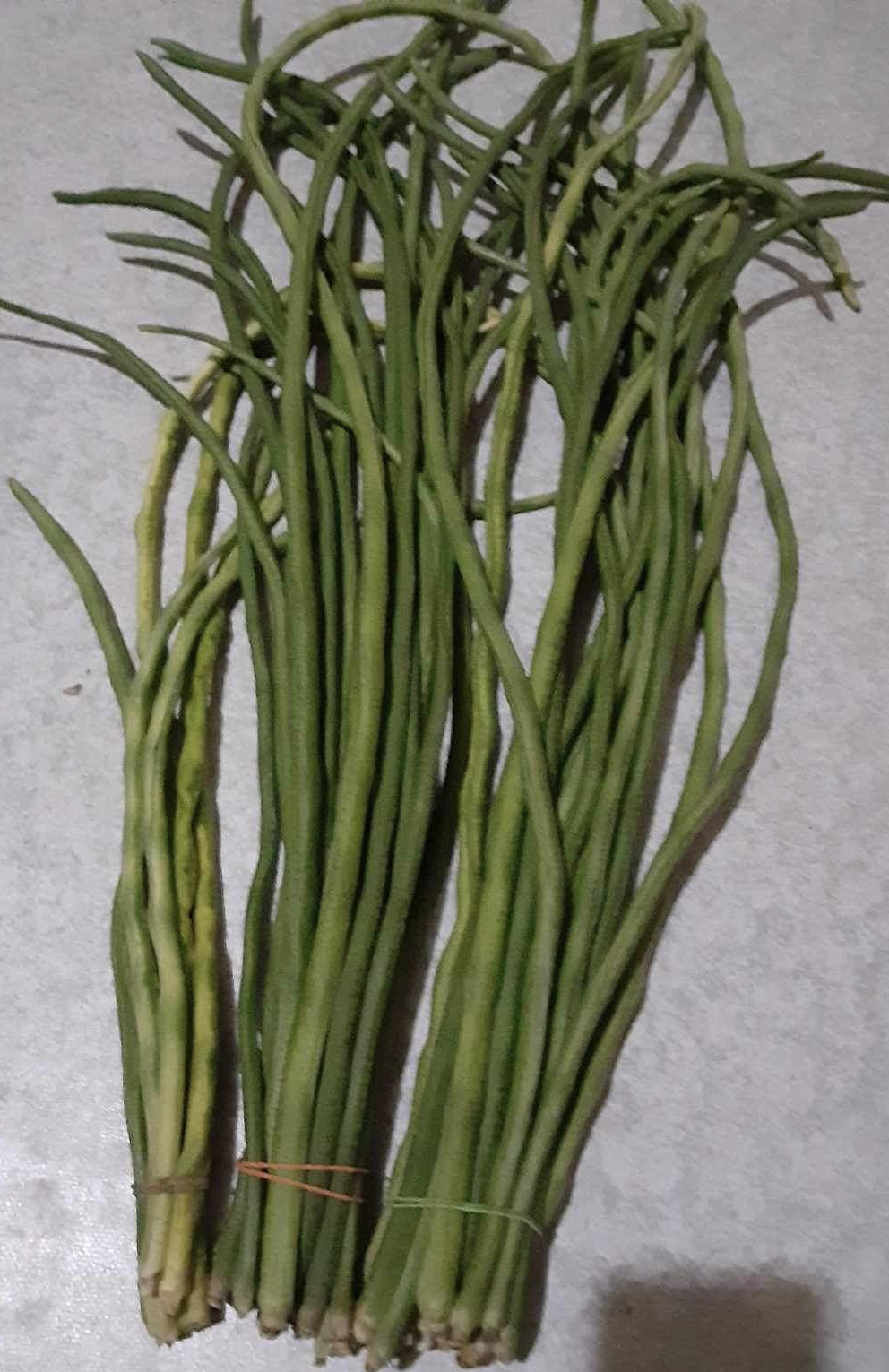
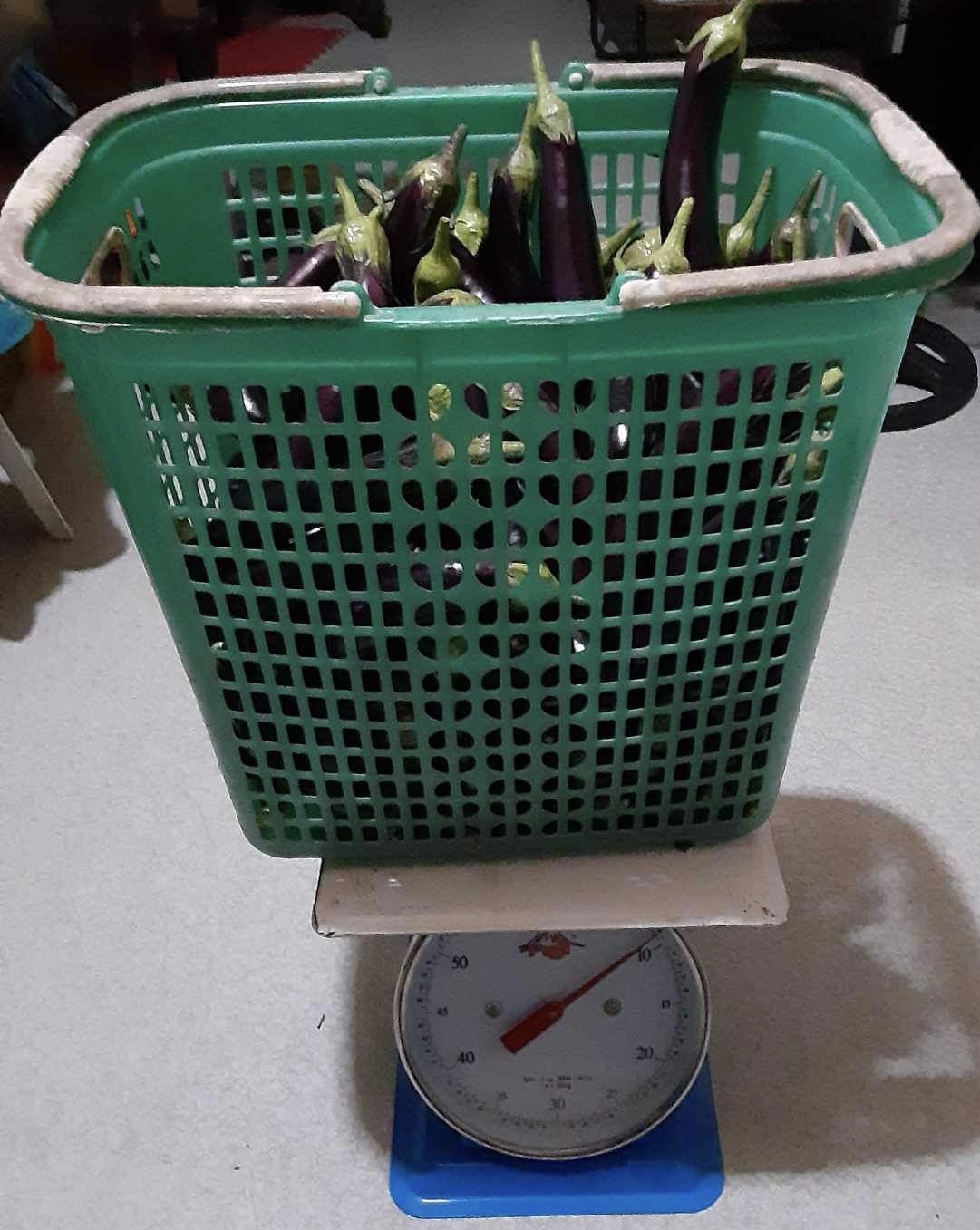
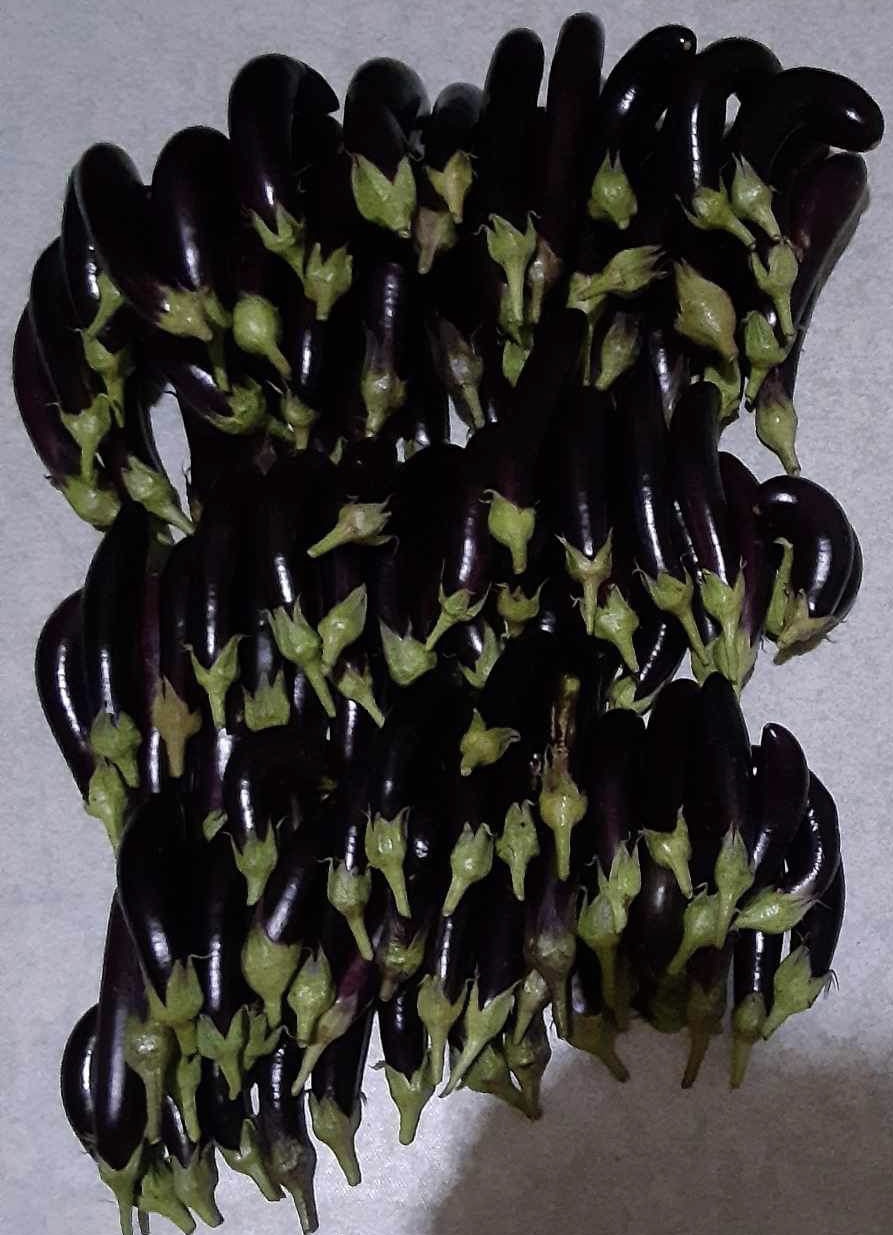
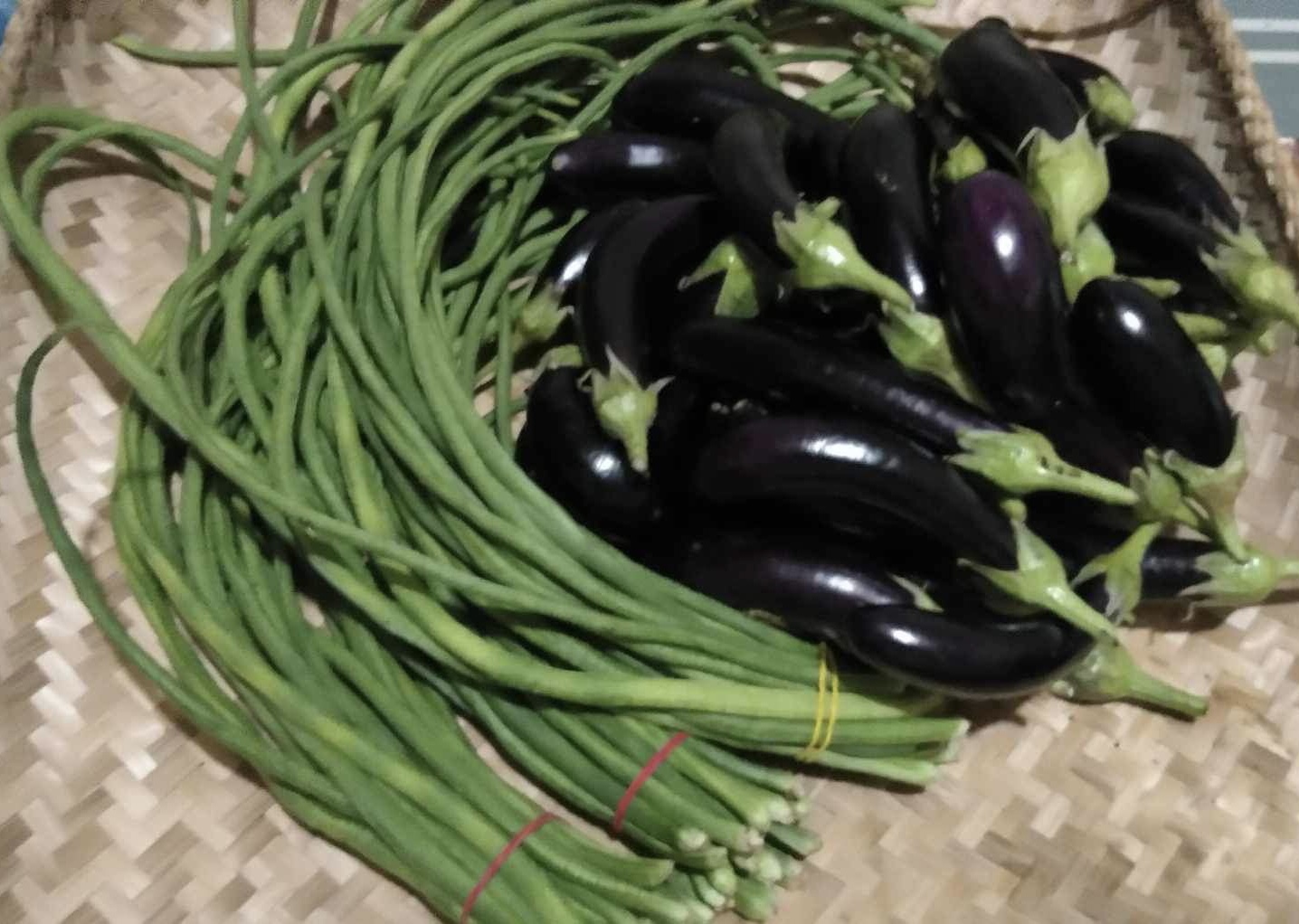
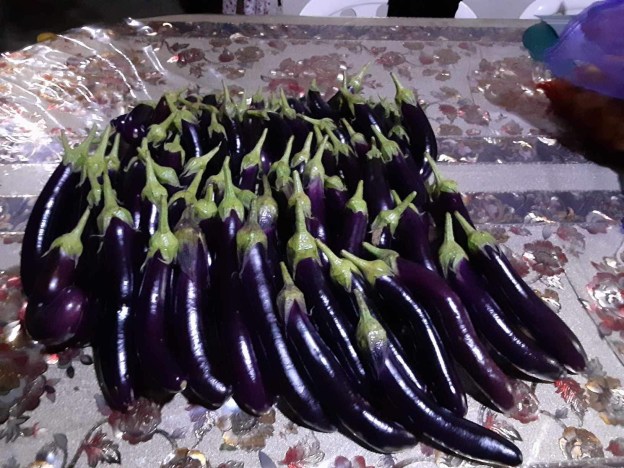
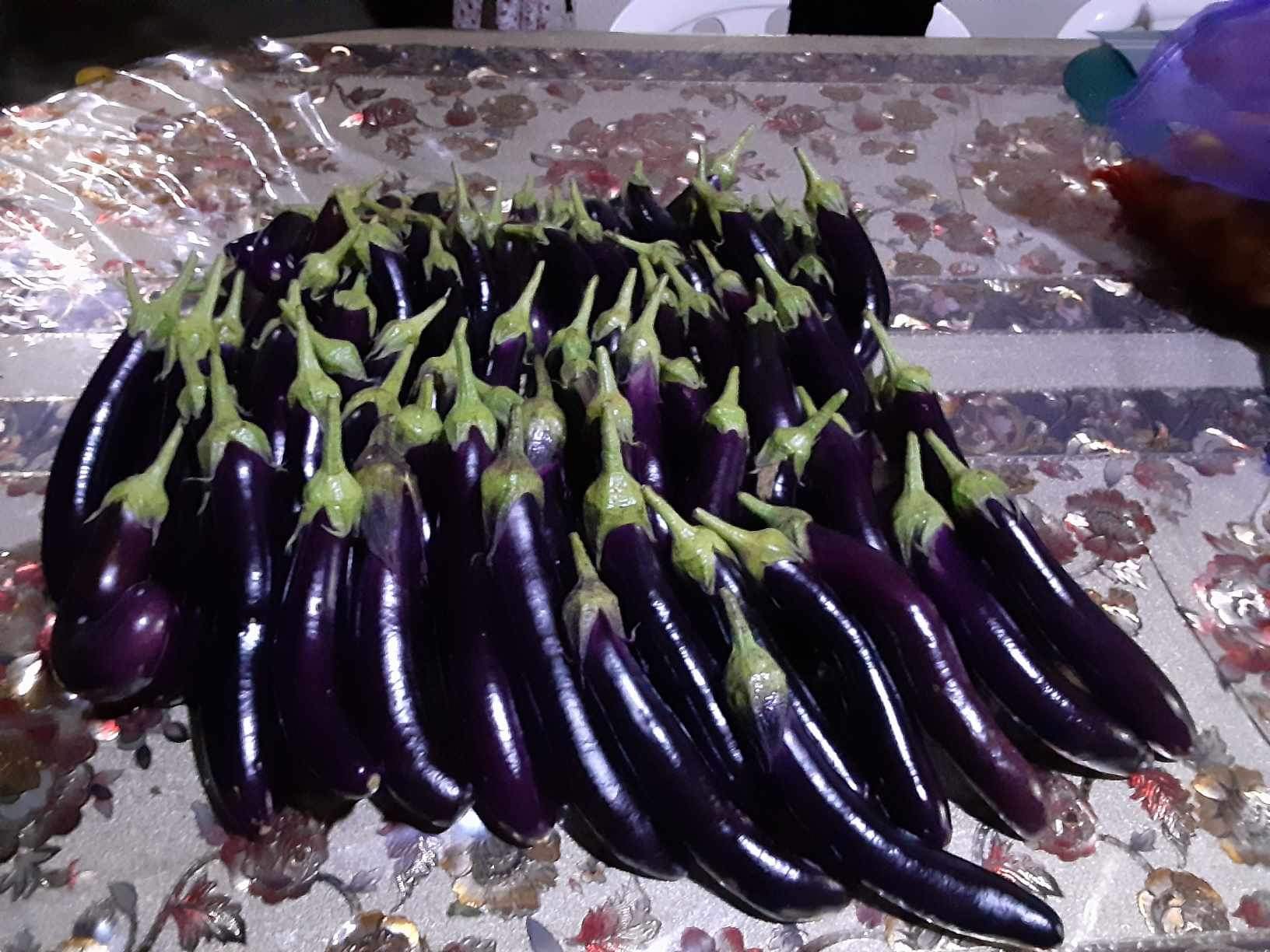
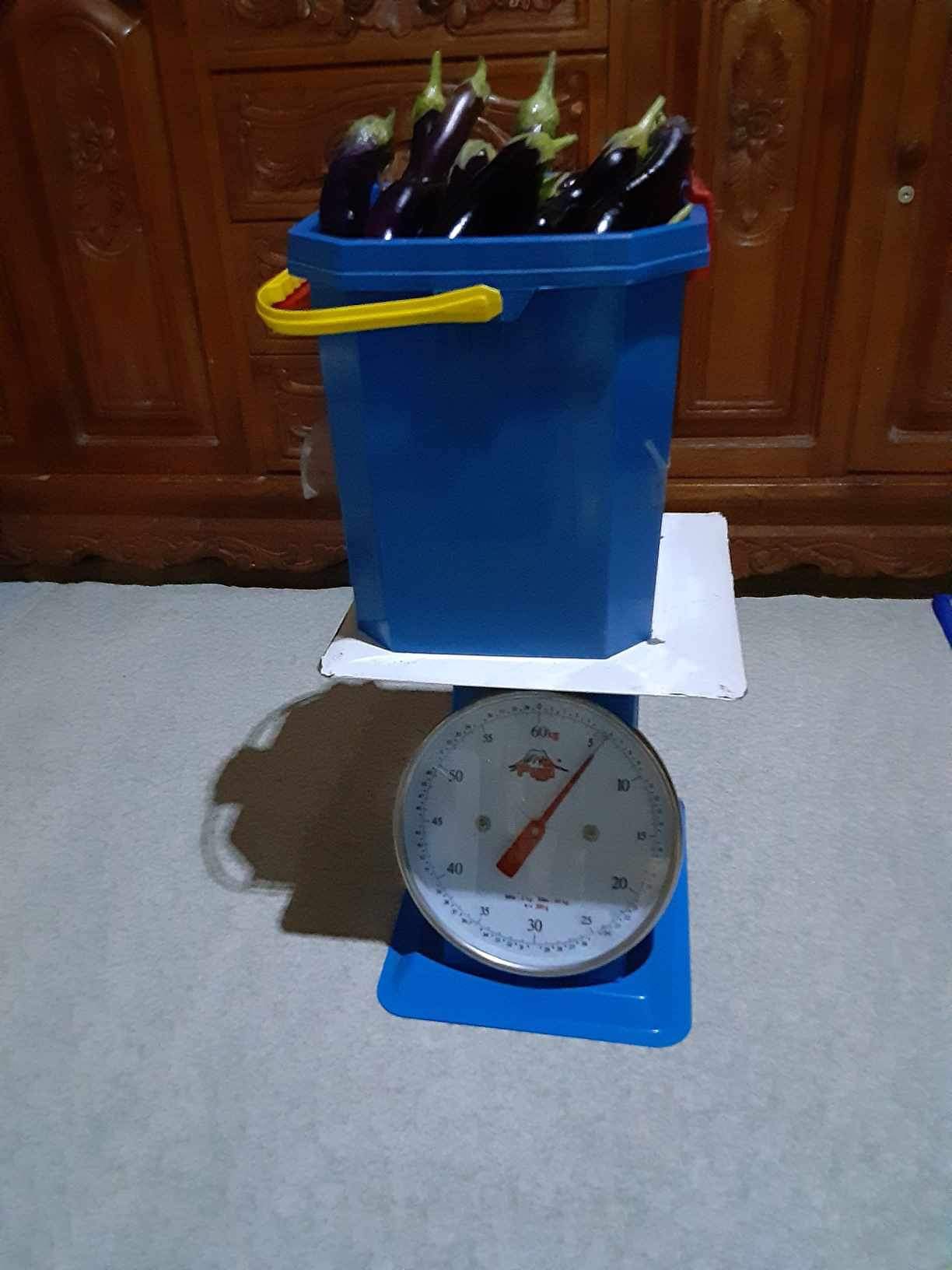
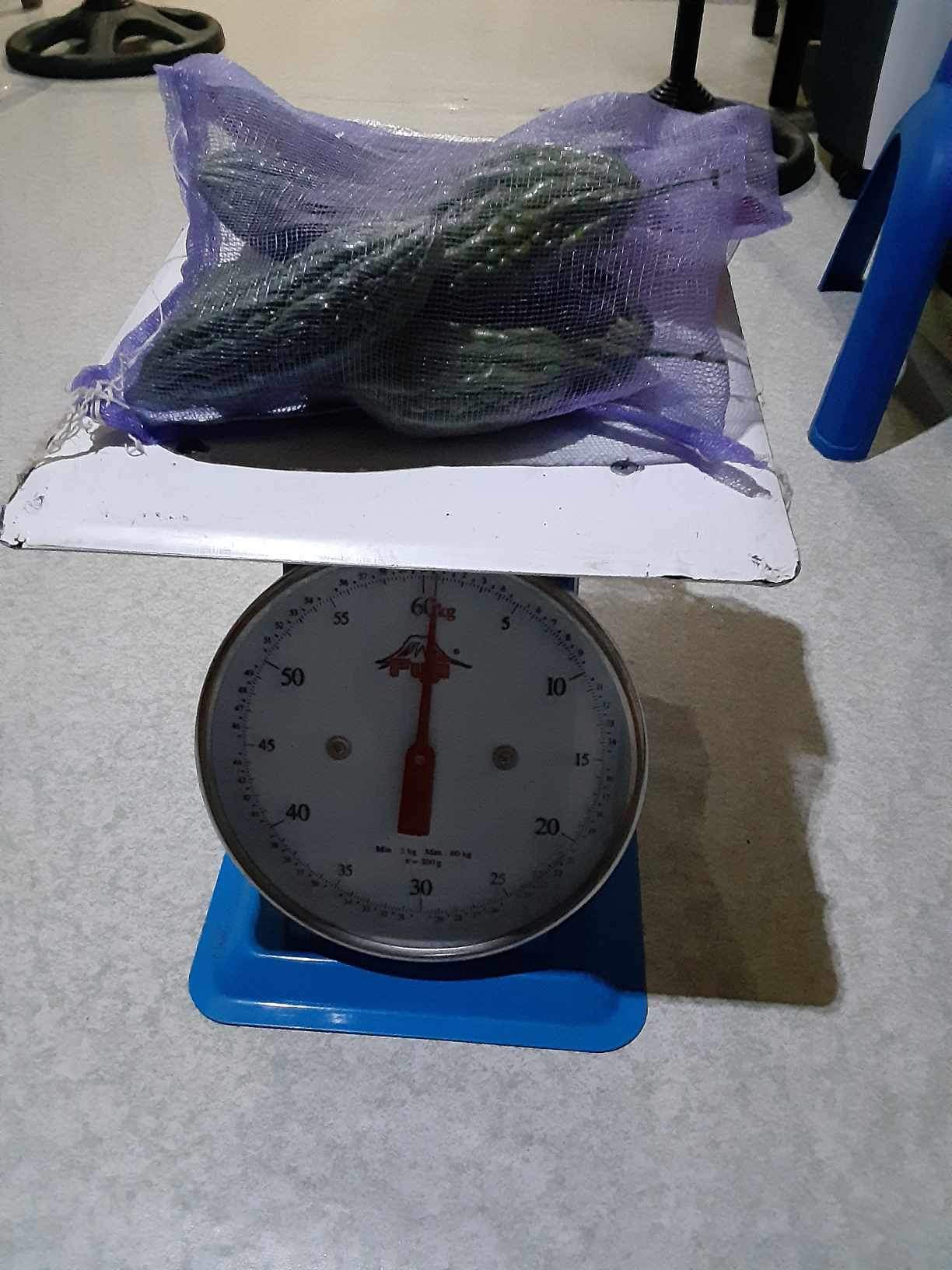
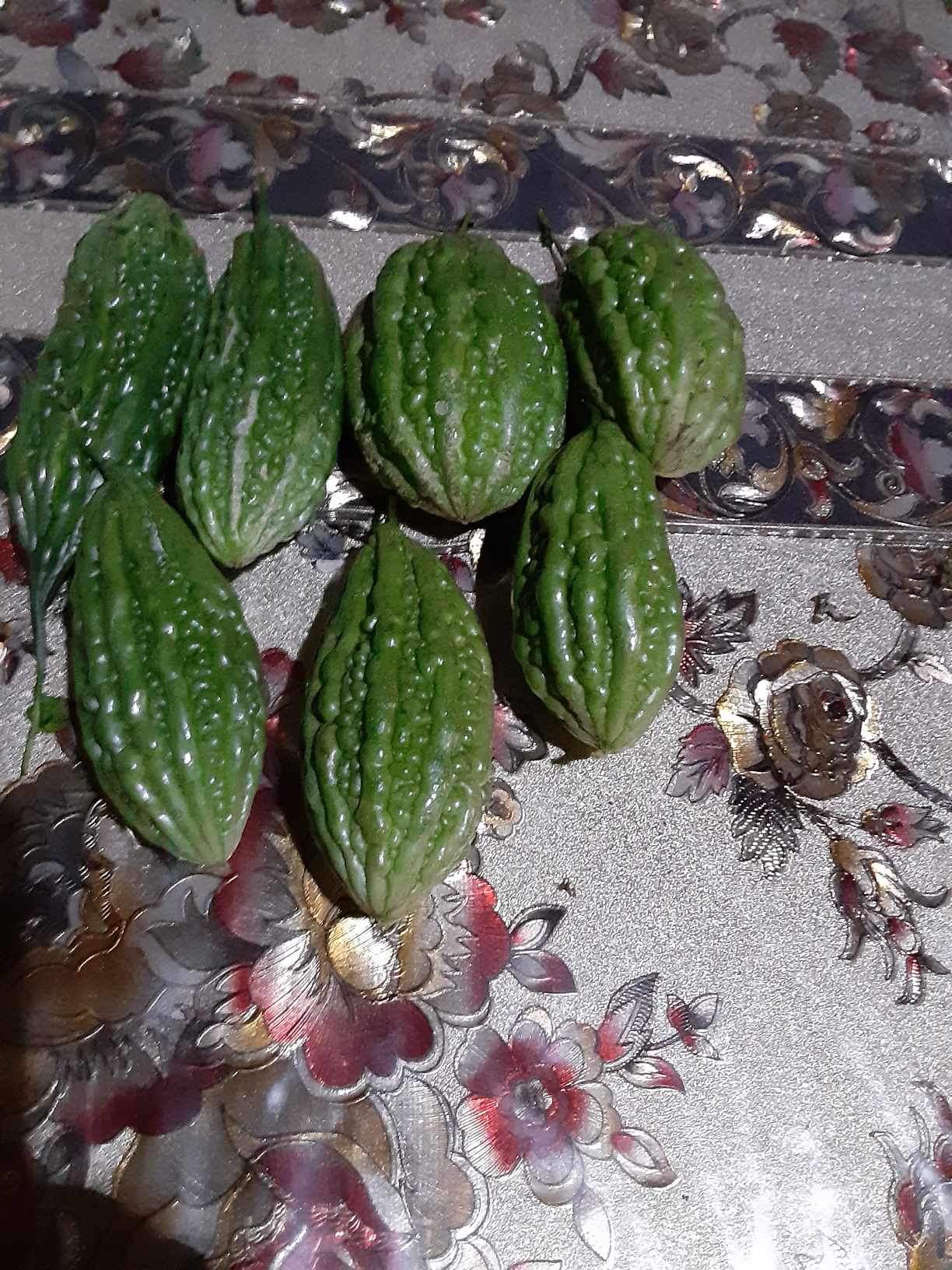
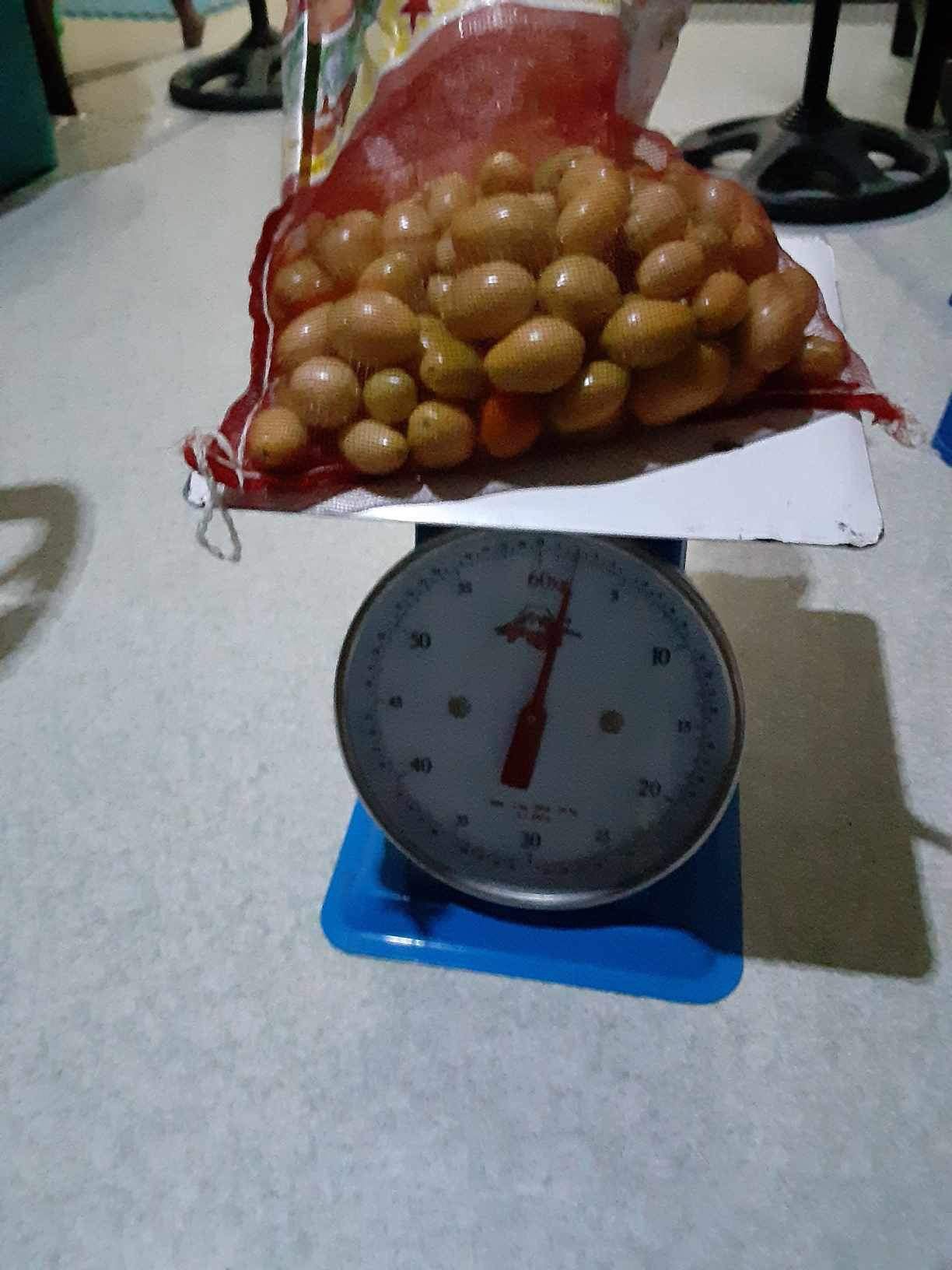
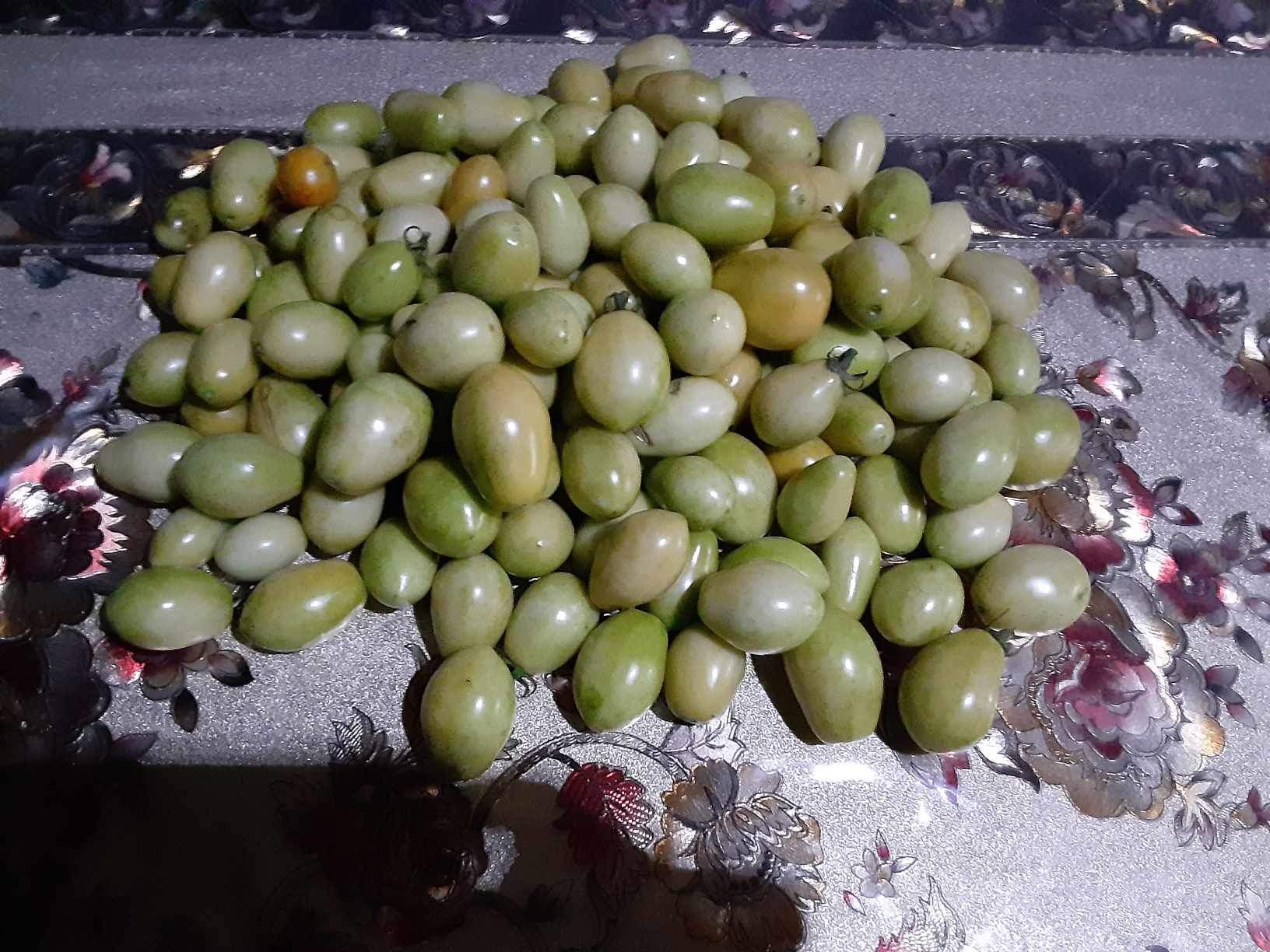
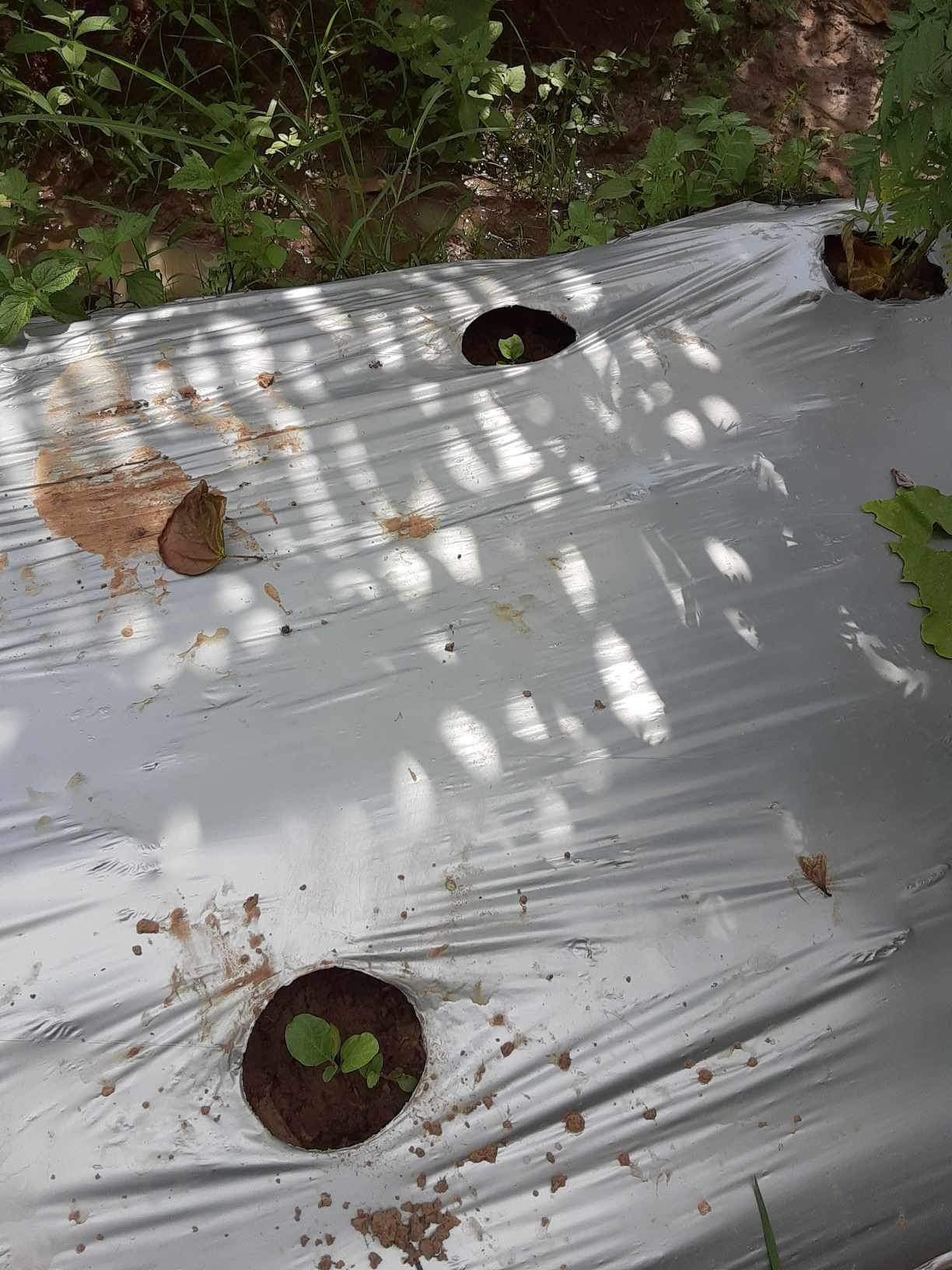
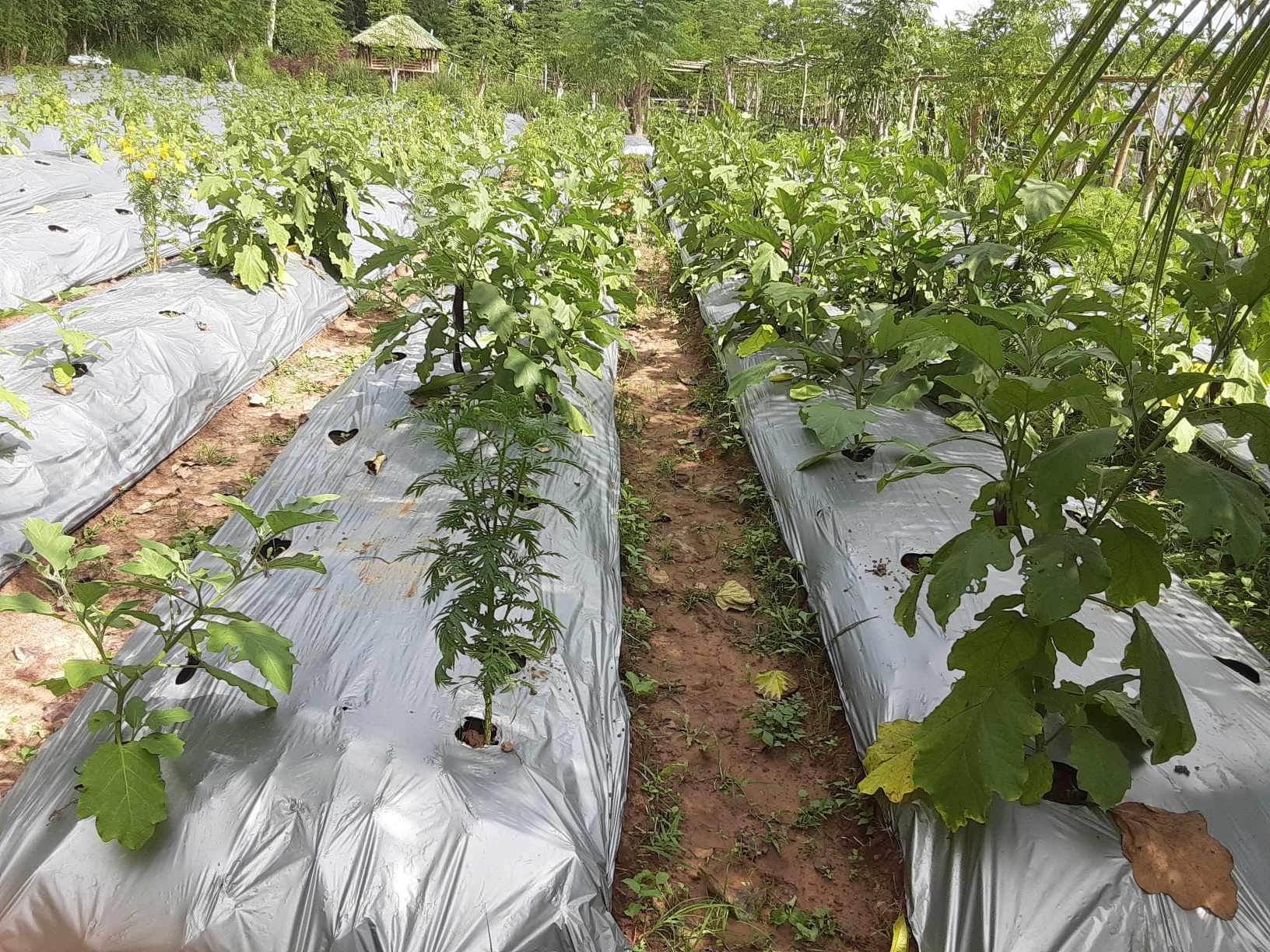
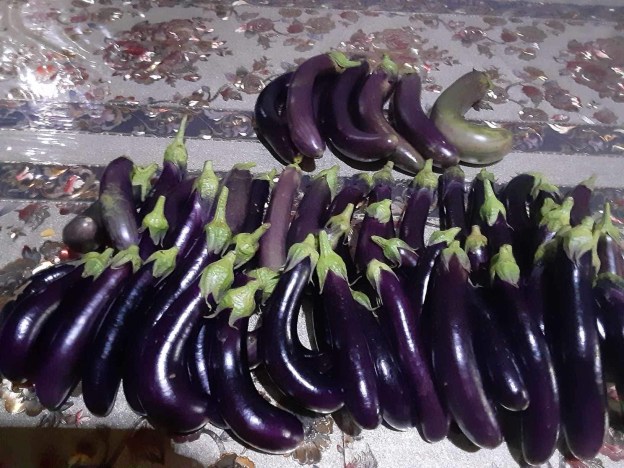
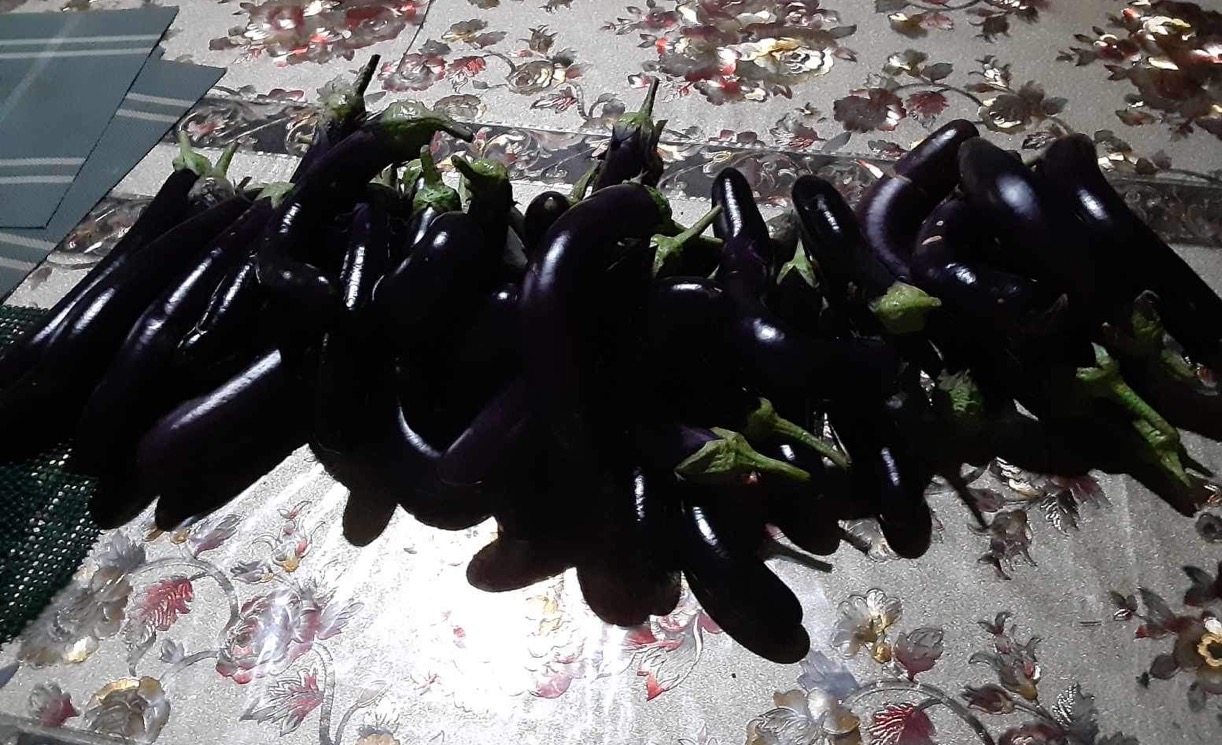
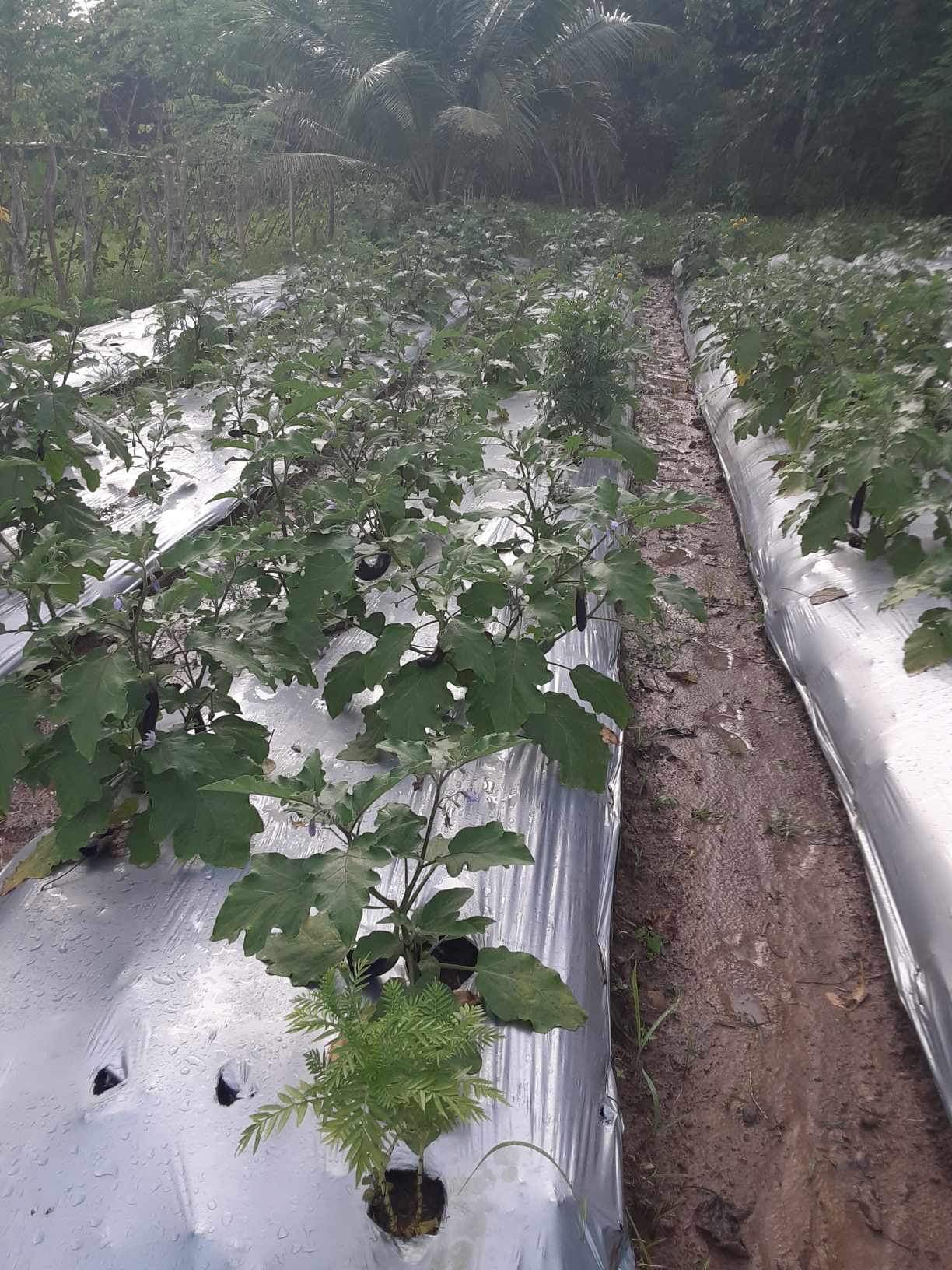
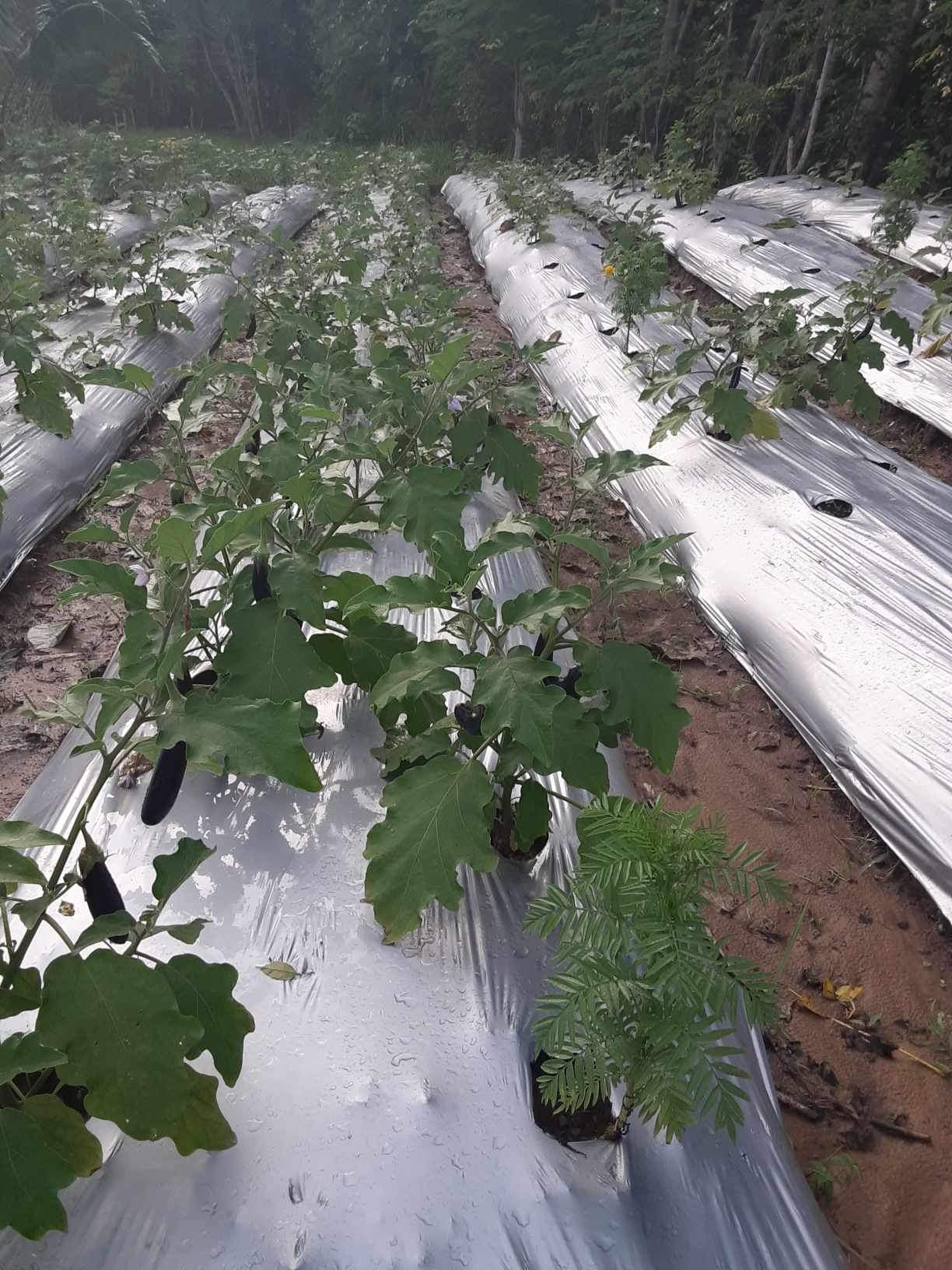
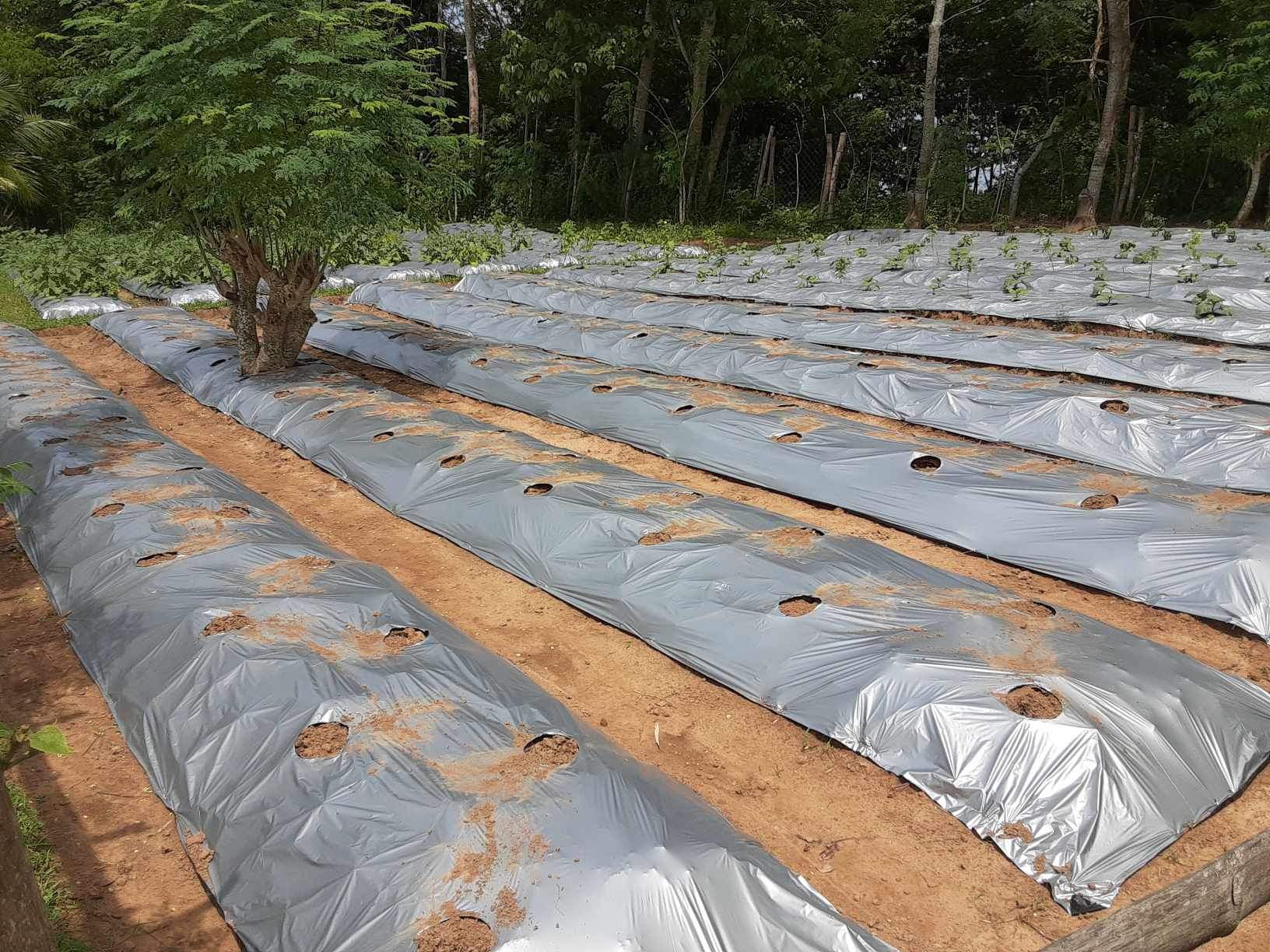
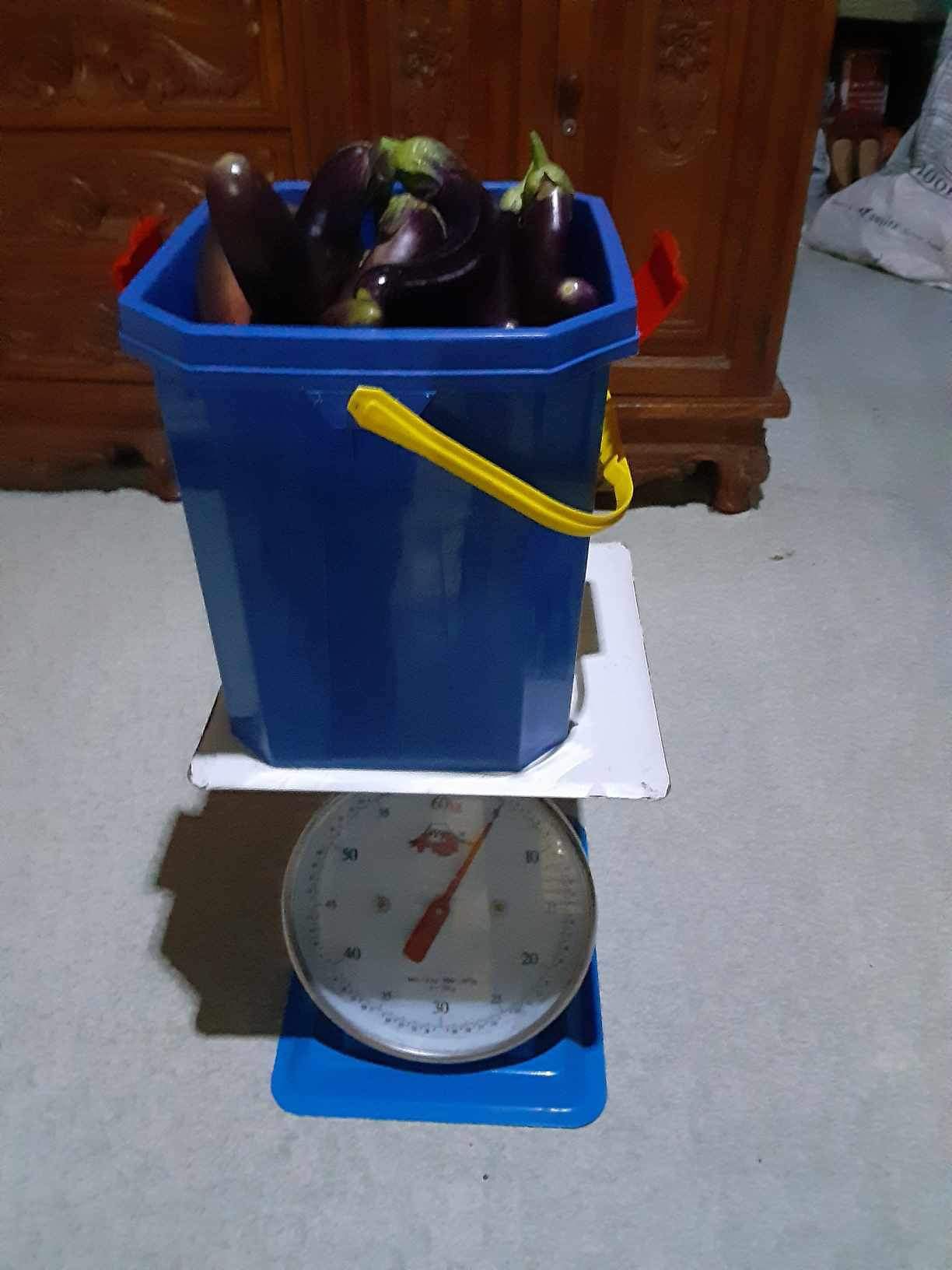
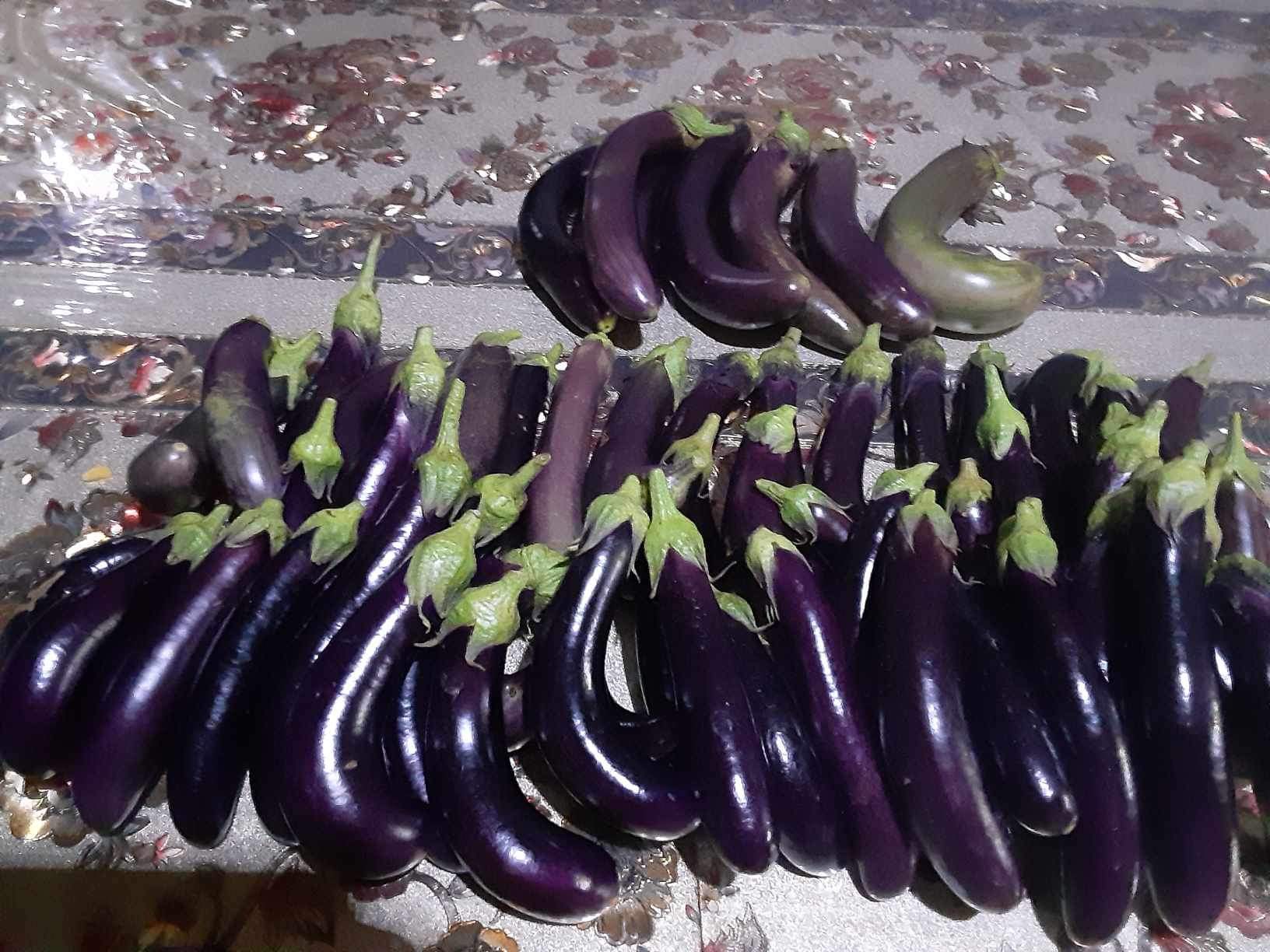
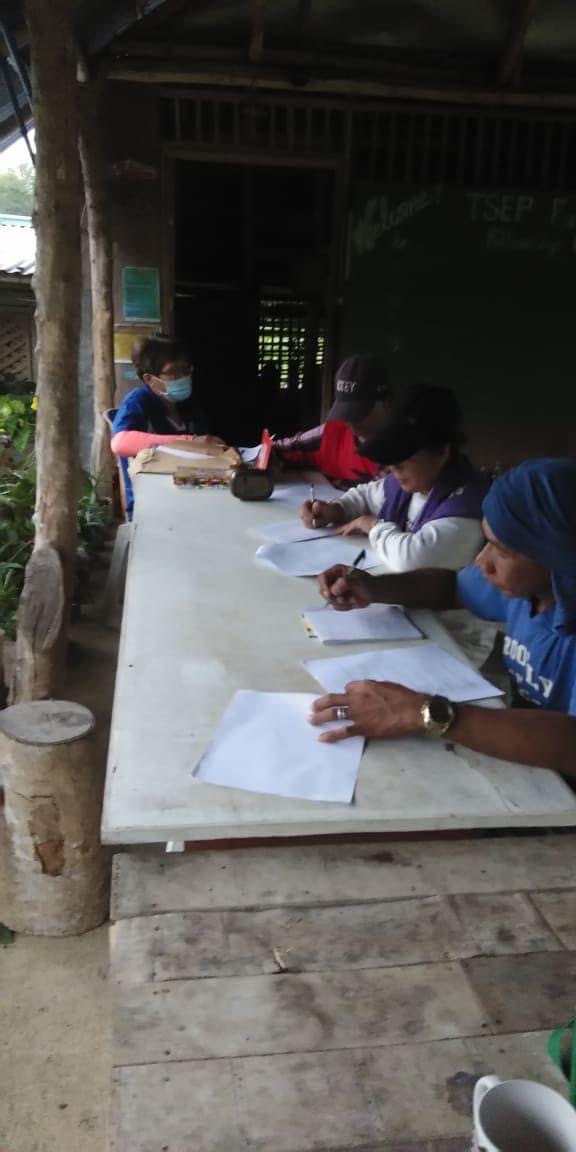
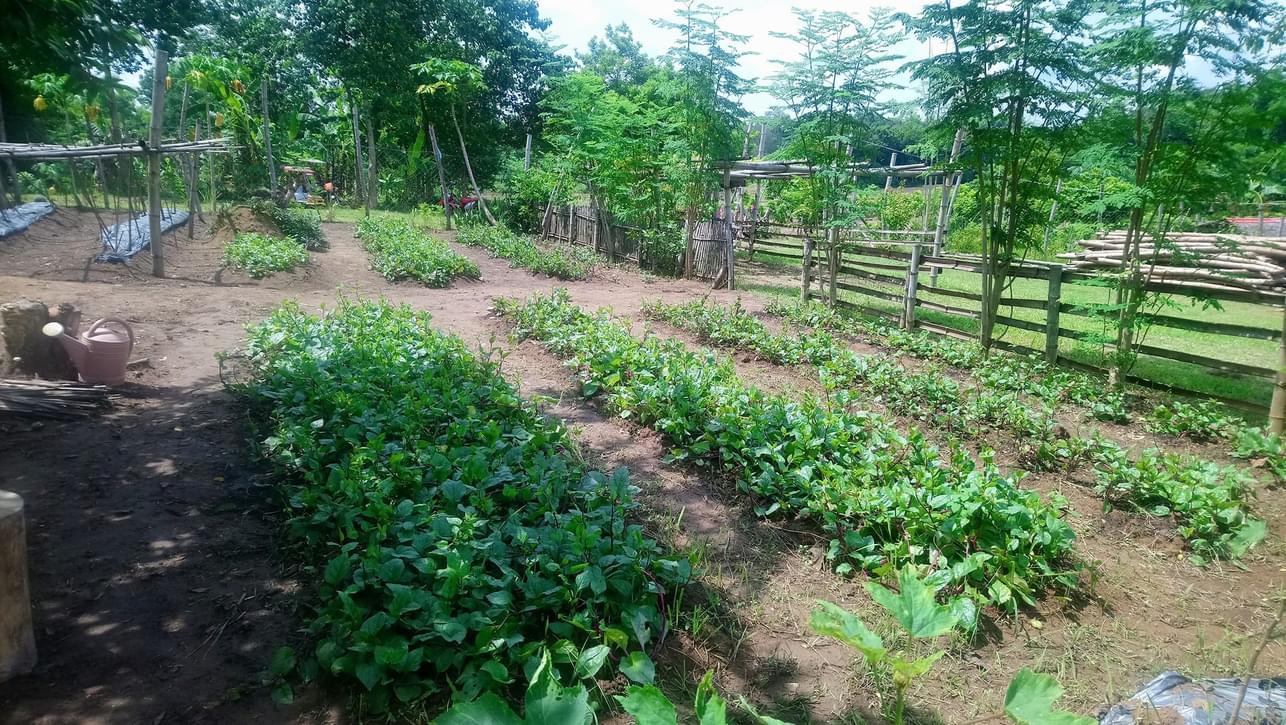
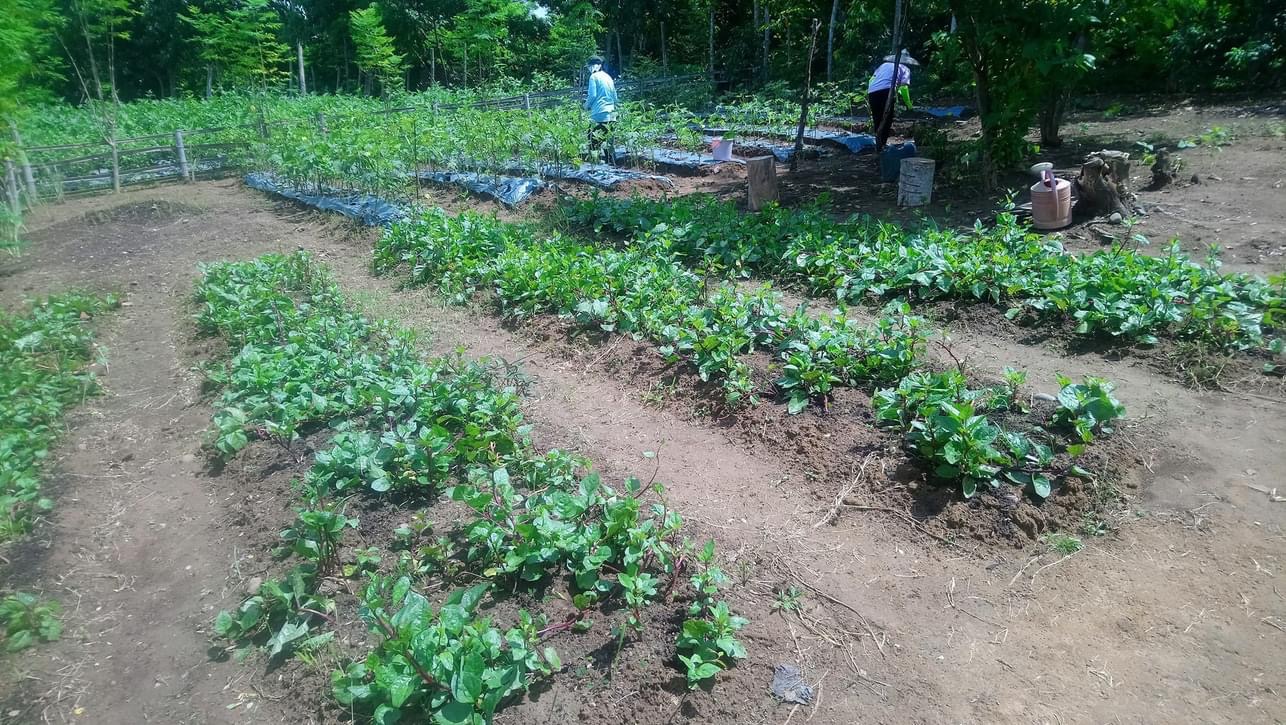
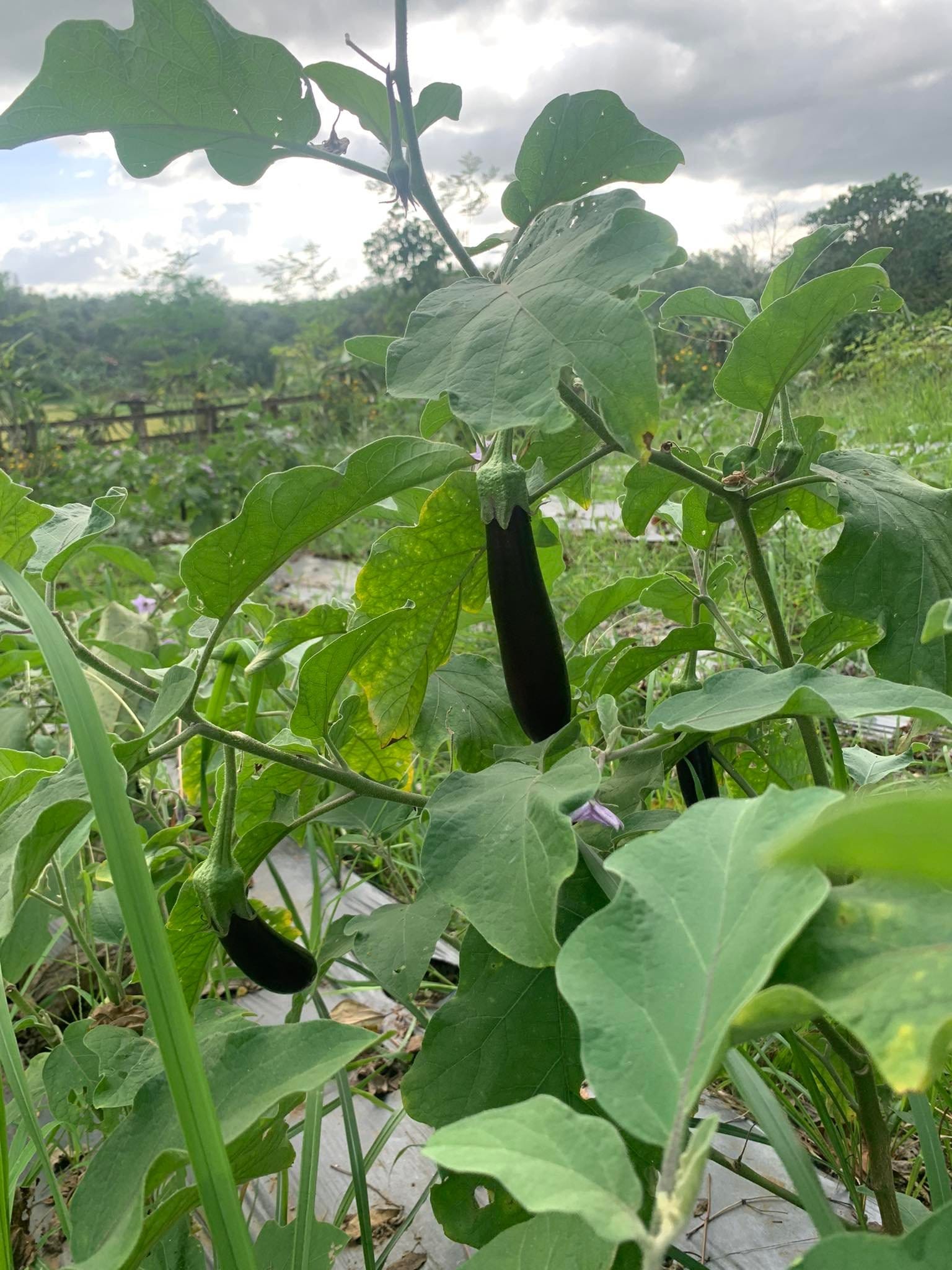
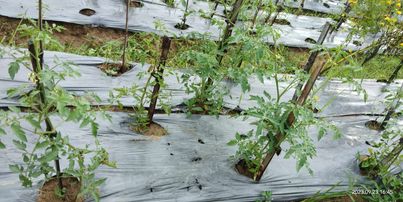
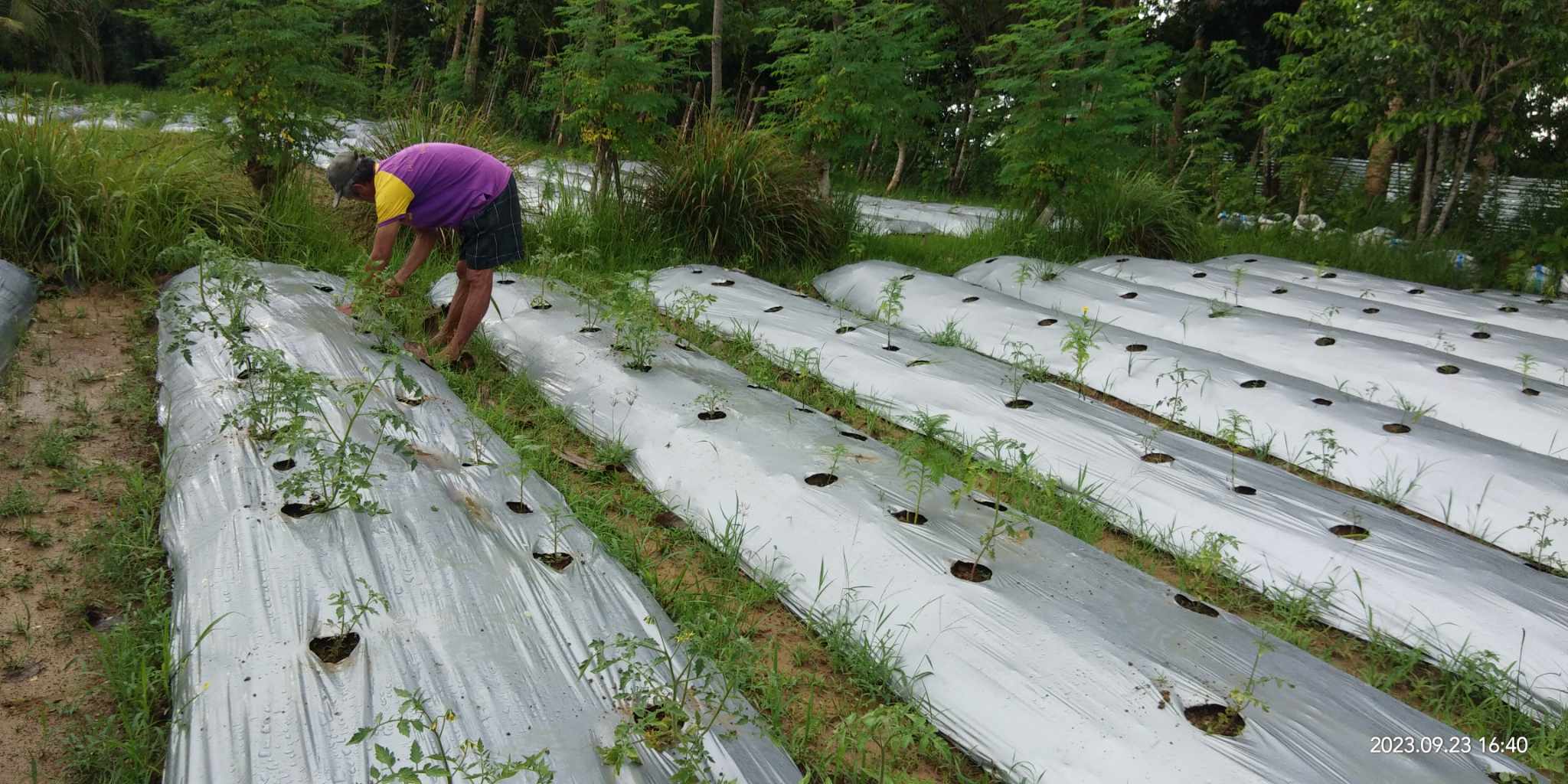
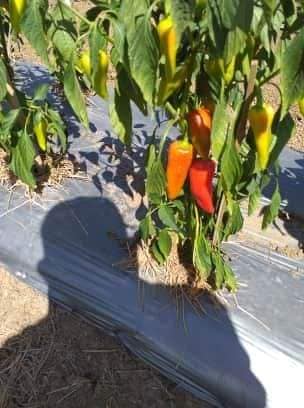
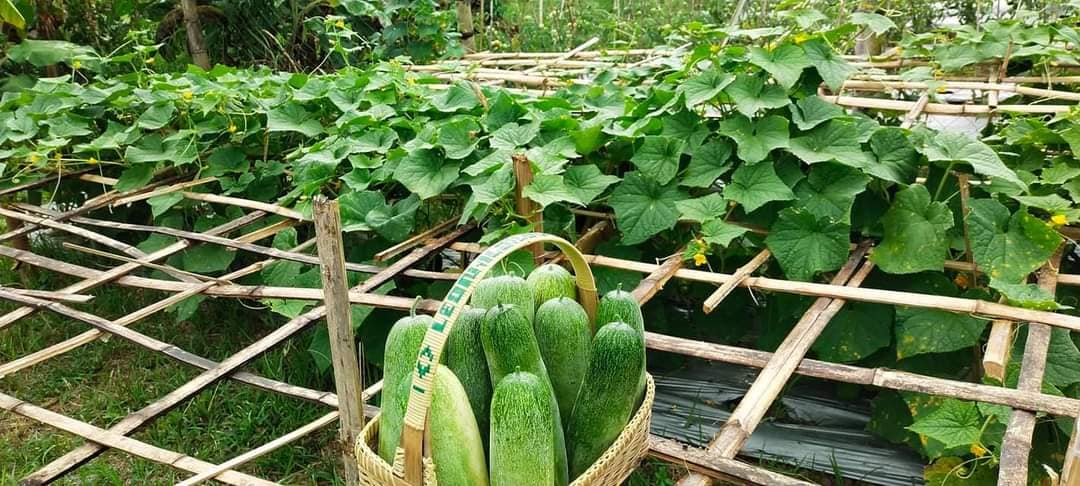
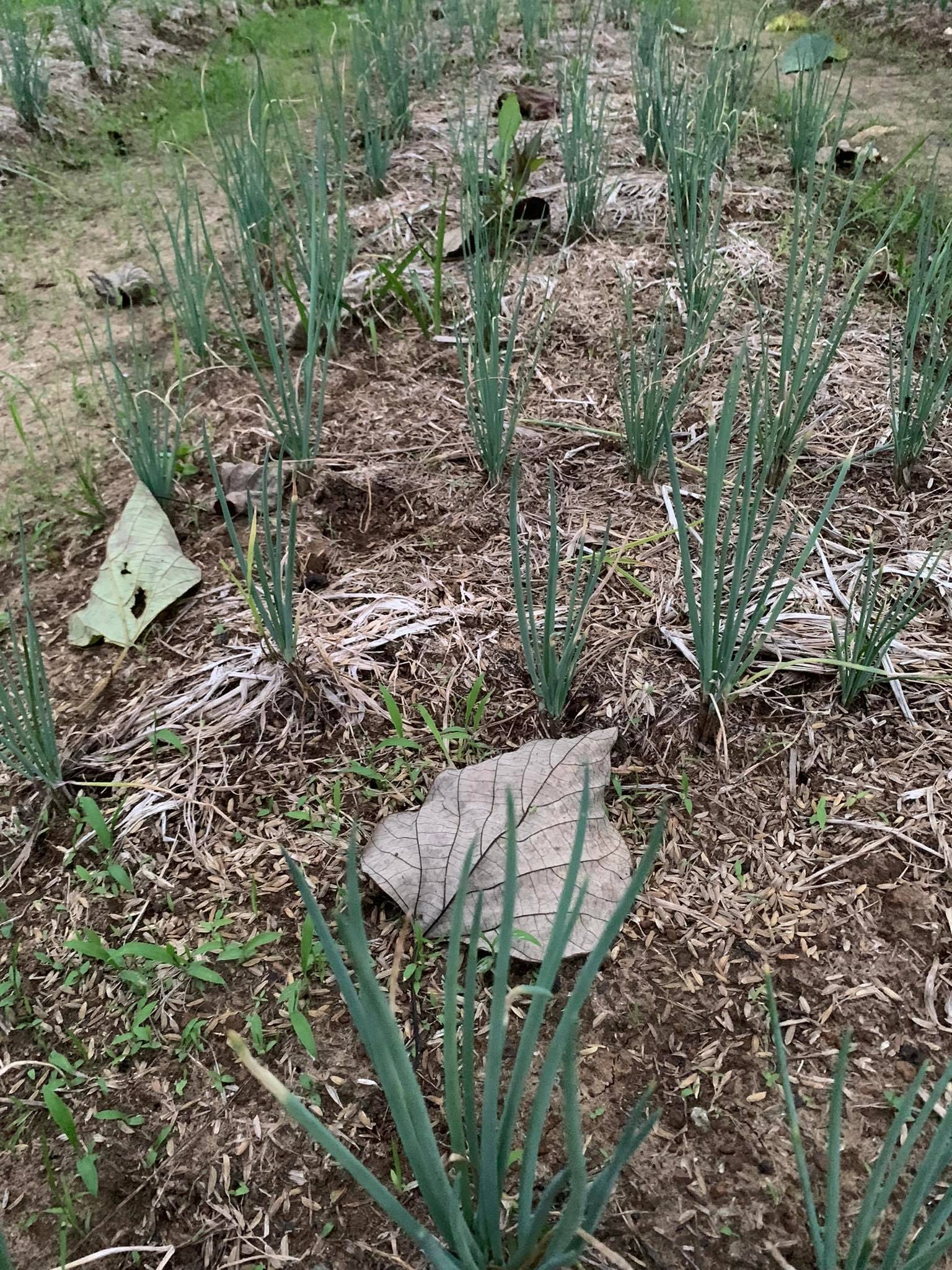
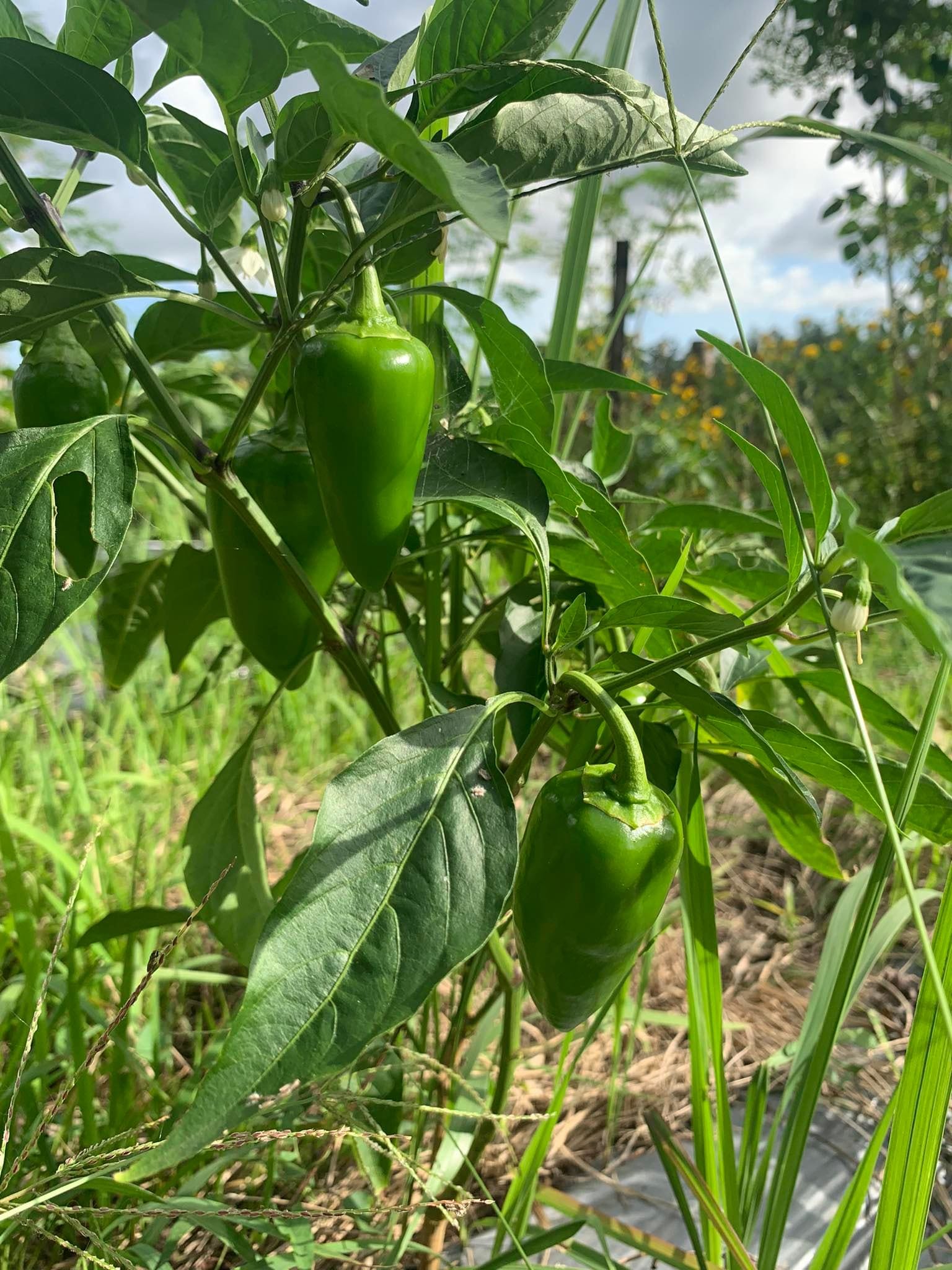
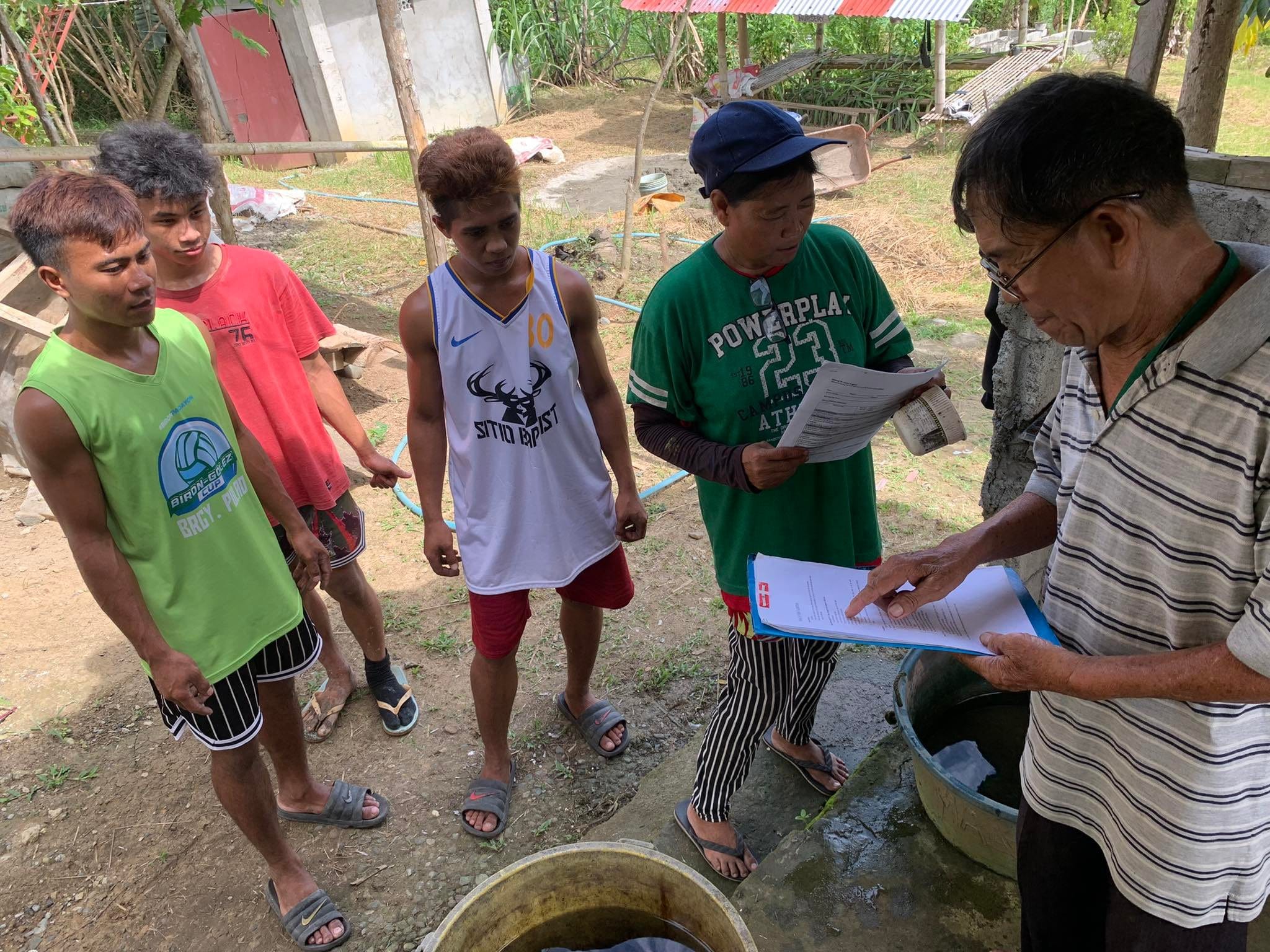
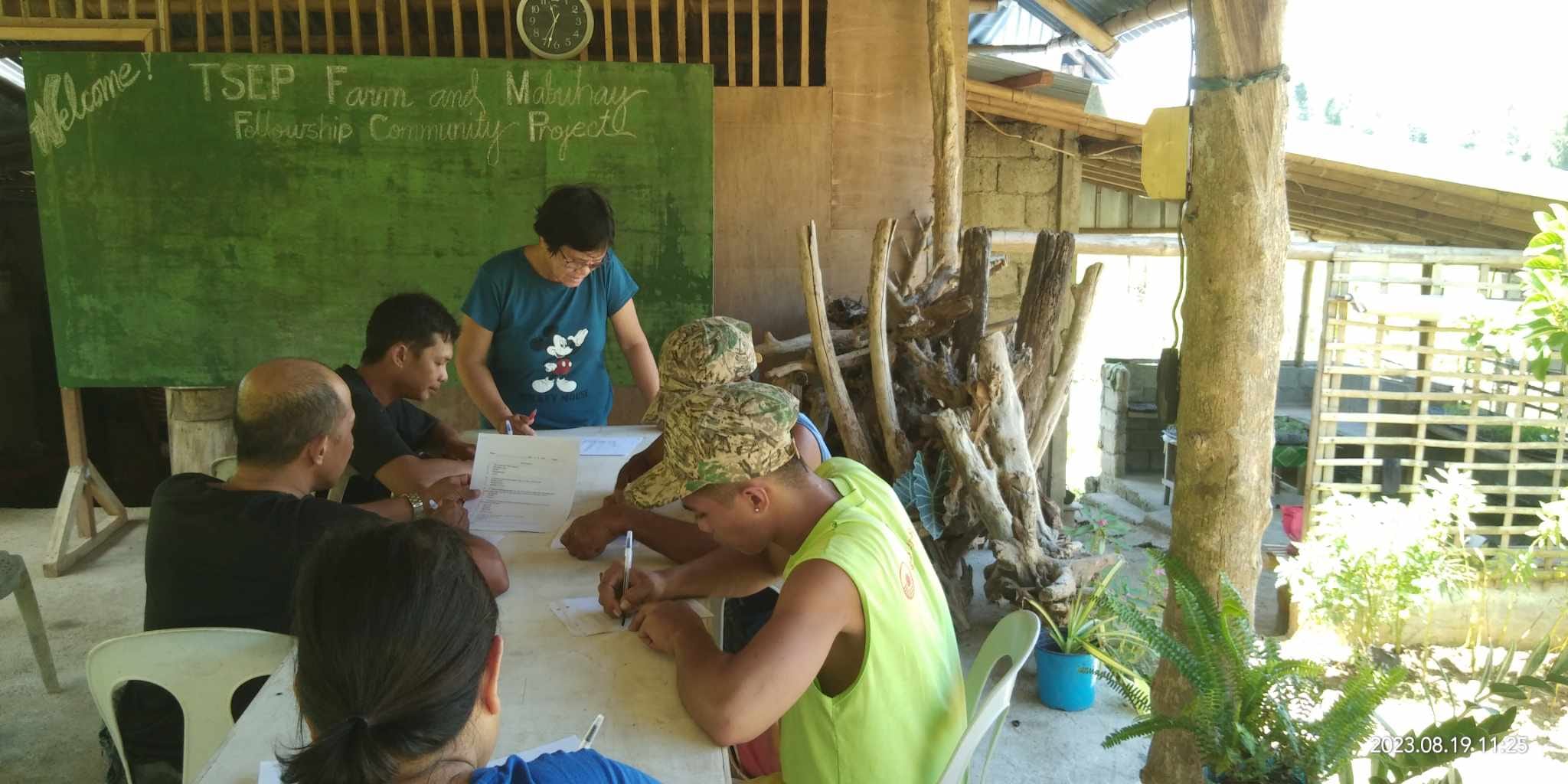
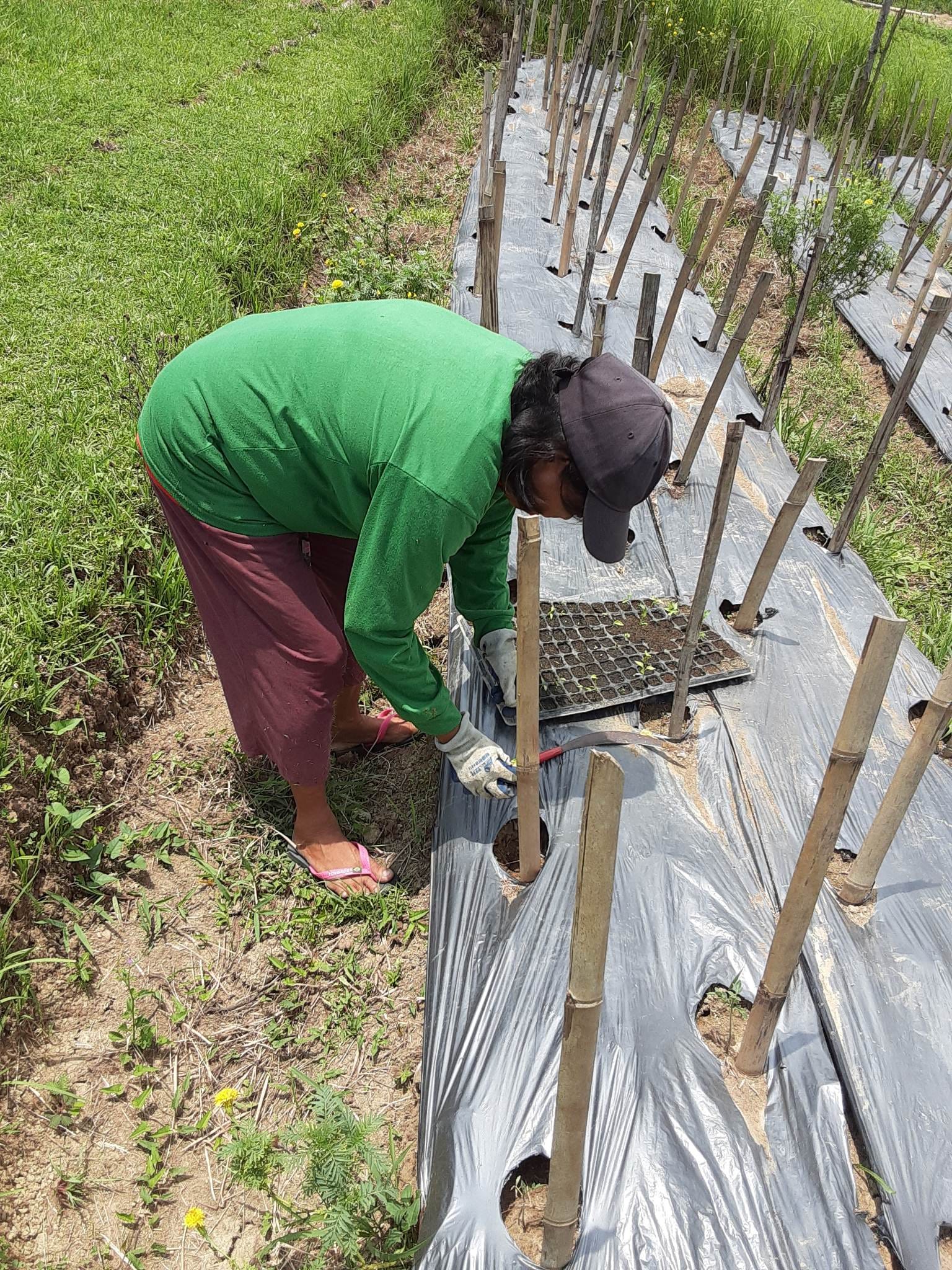
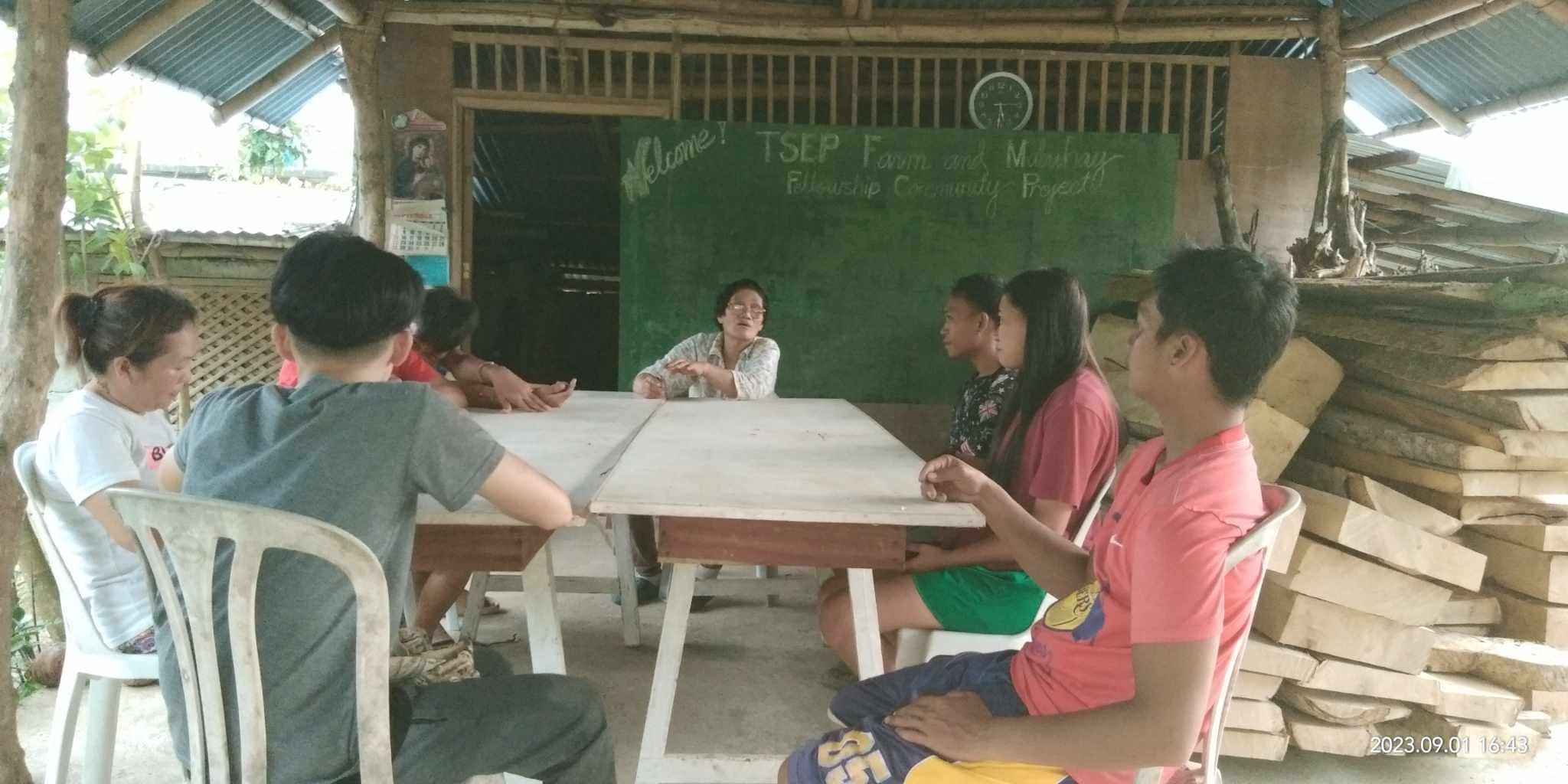
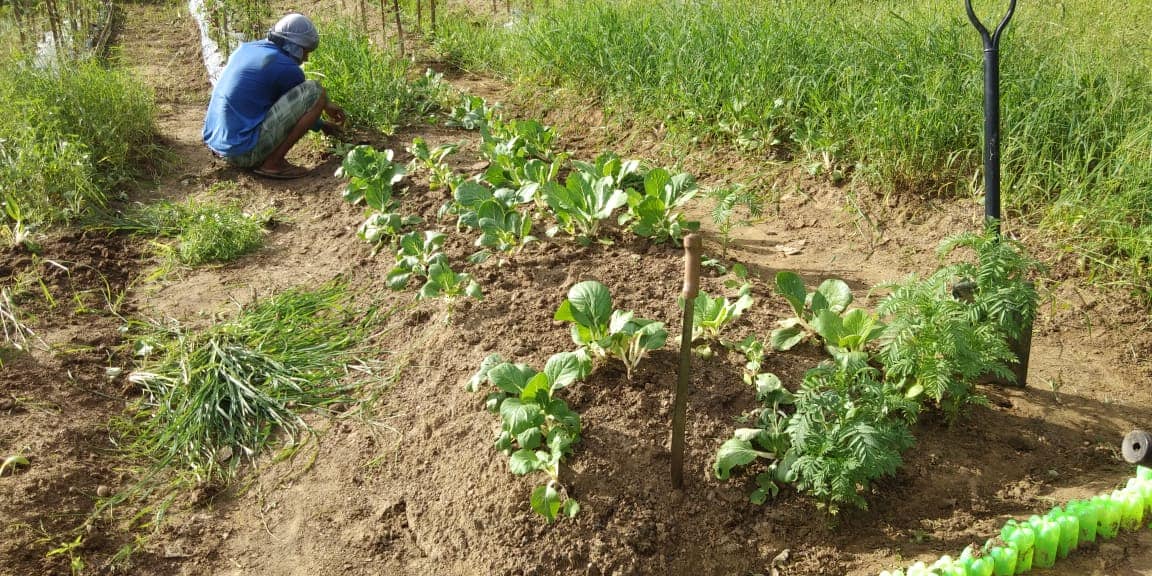
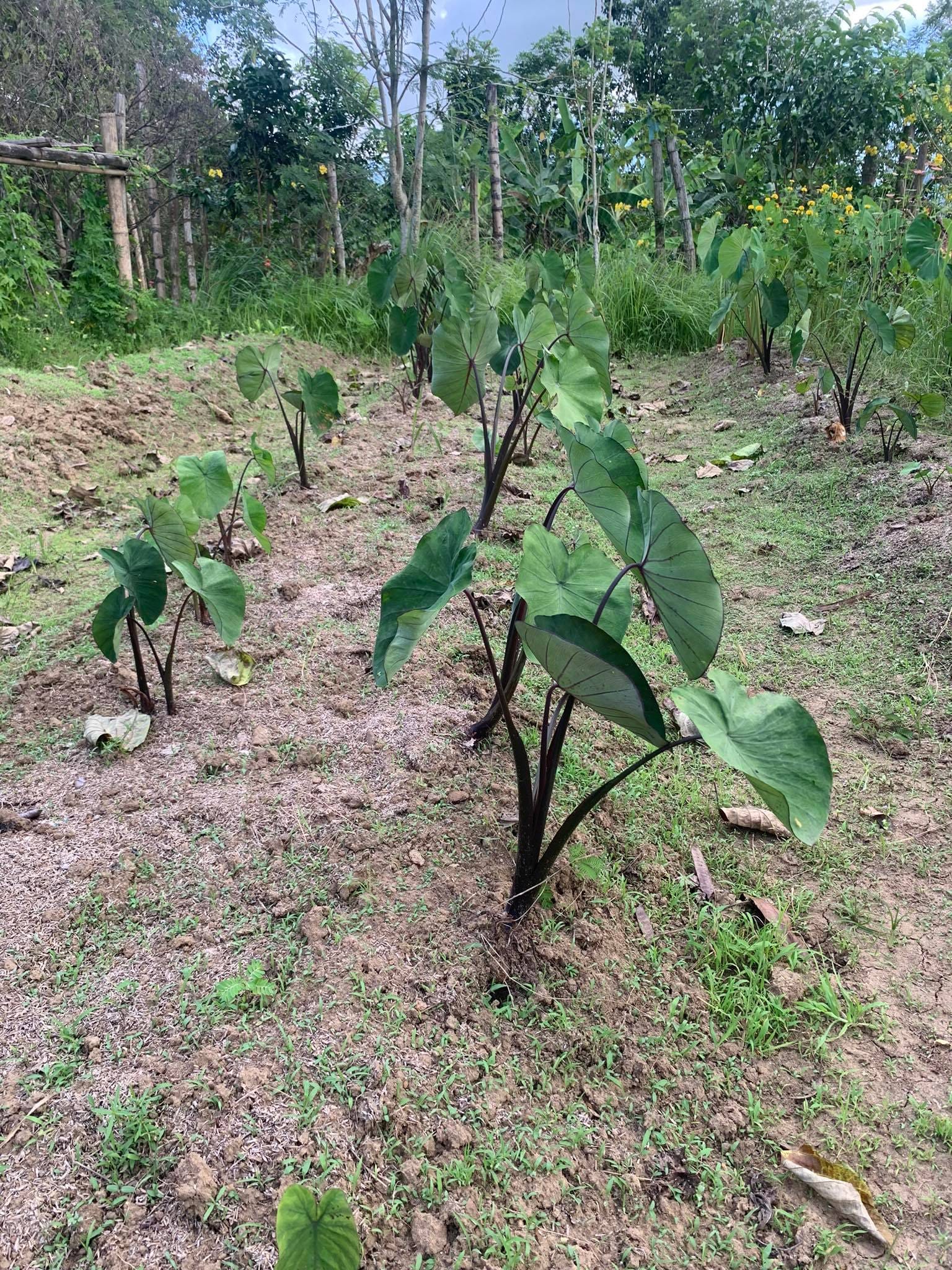
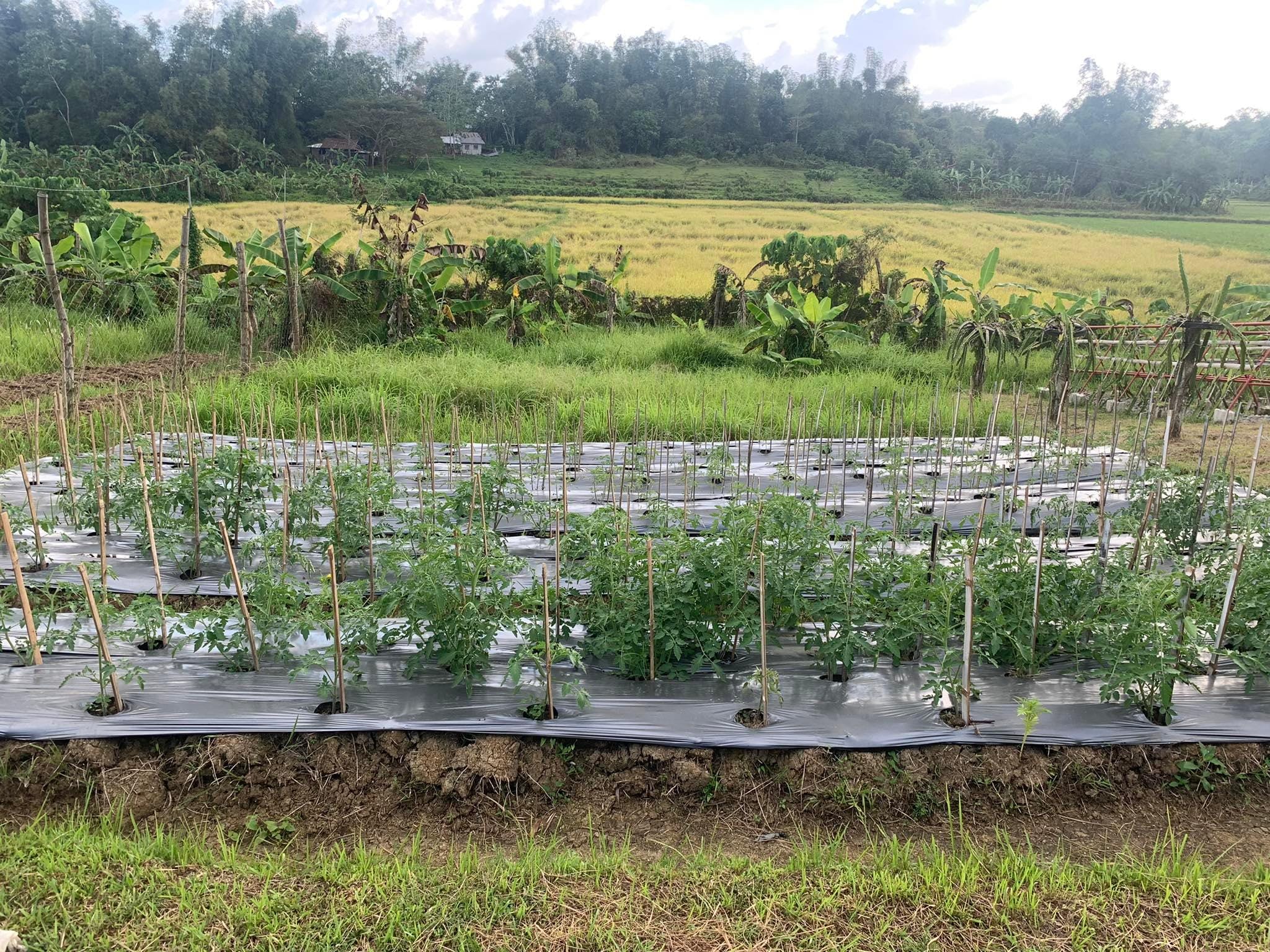
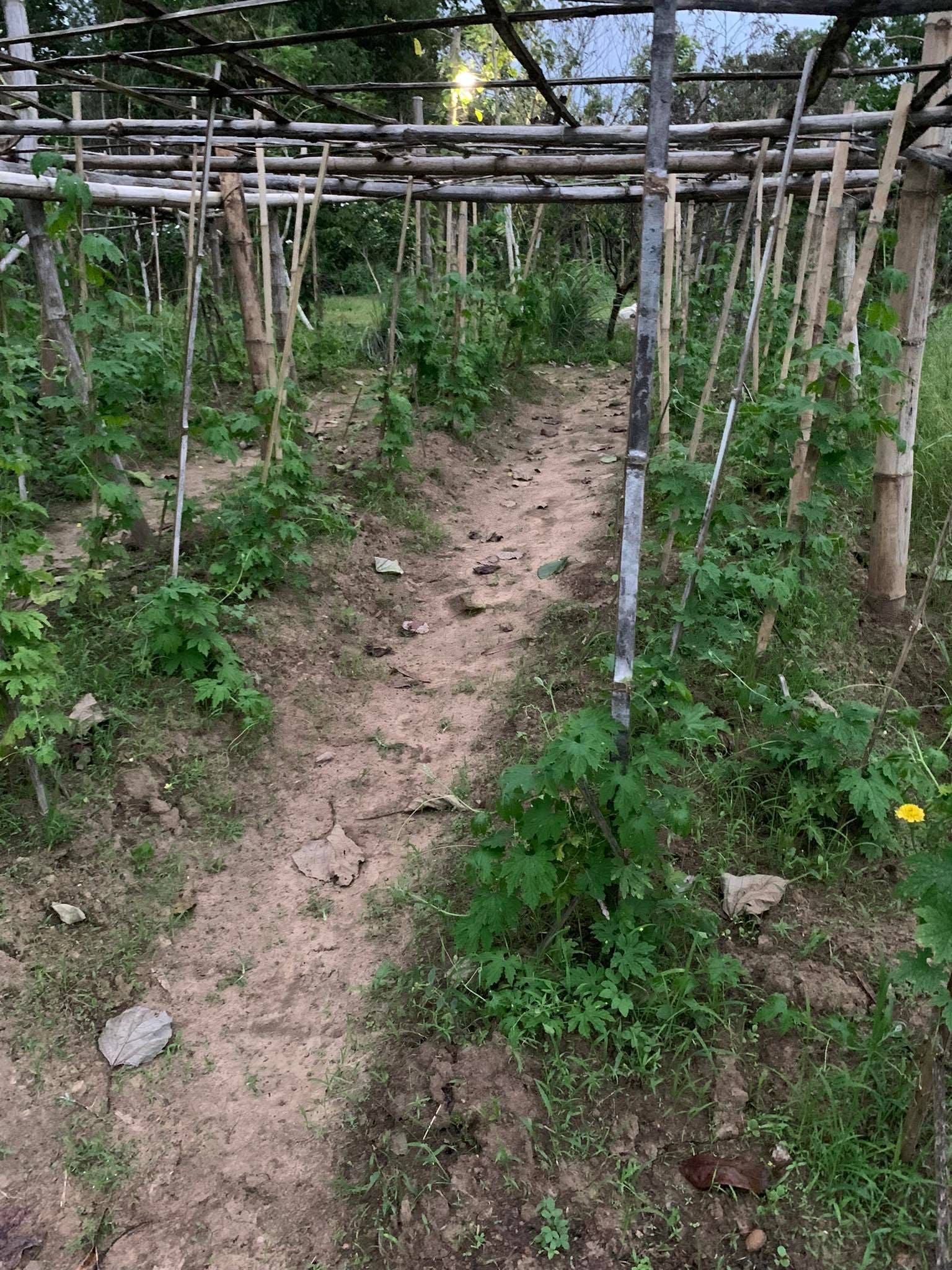
They were given written exams and all passed. There was a discussion post-exam on correct answers that they missed. They are continuing to harvest from the early crops they planted. But the other plants like squash and other vine vegetables are still growing and have not flowered yet. They harvested eggplants, tomatoes, bitter gourd, pole beans, etc. But this is just from the first plot. They have vegetables in 20 other plots that have not flowered yet.
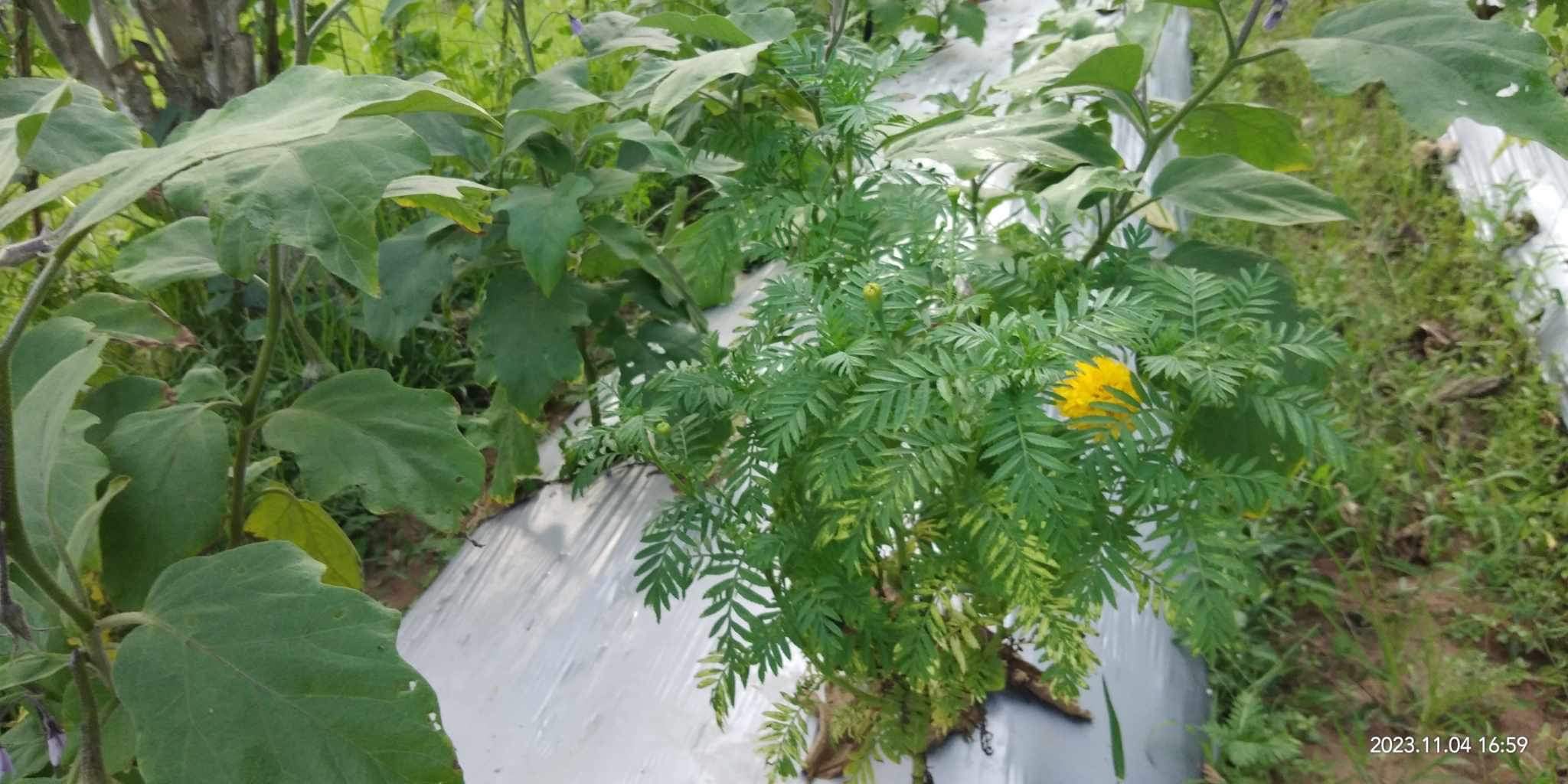
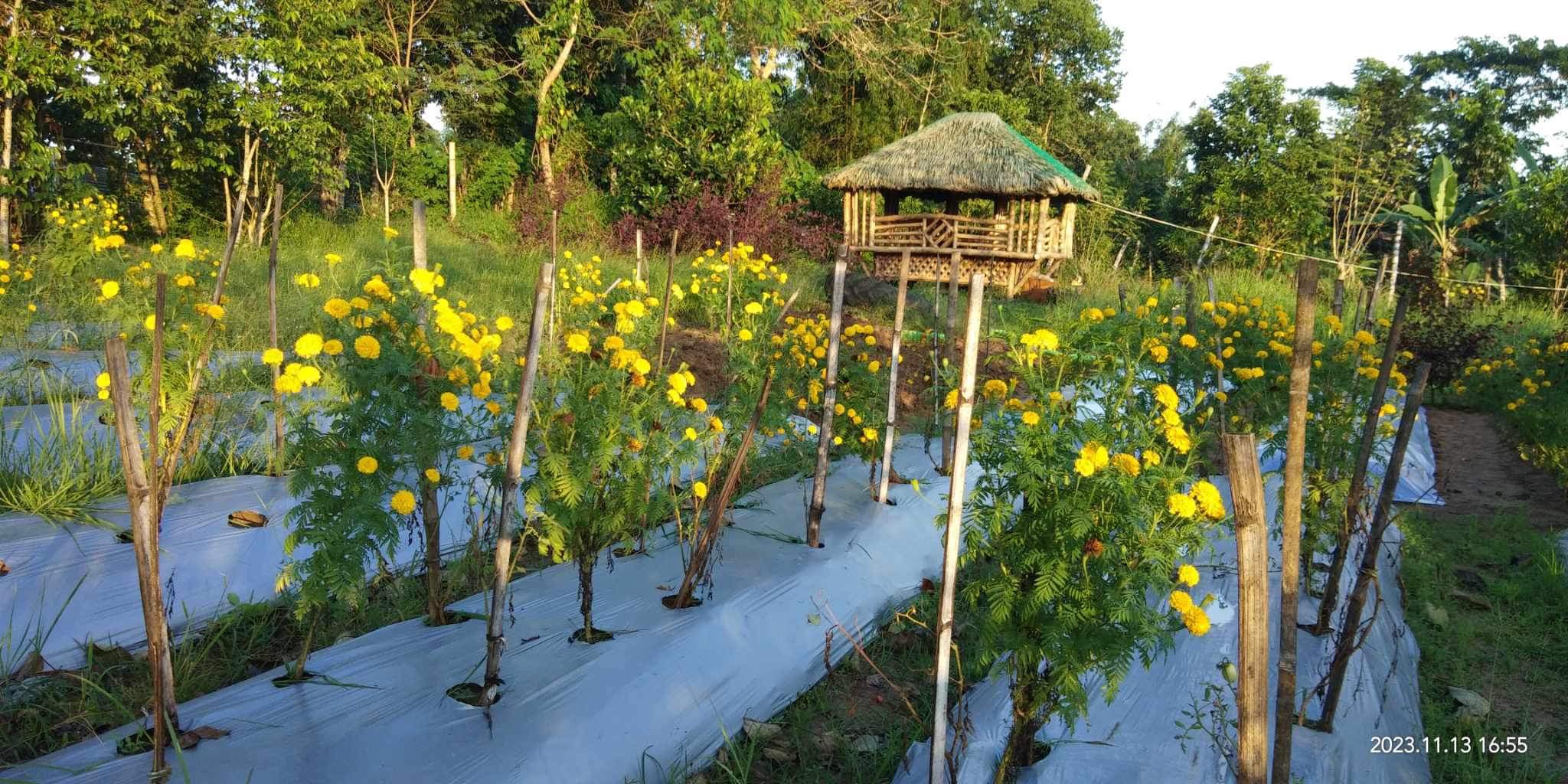
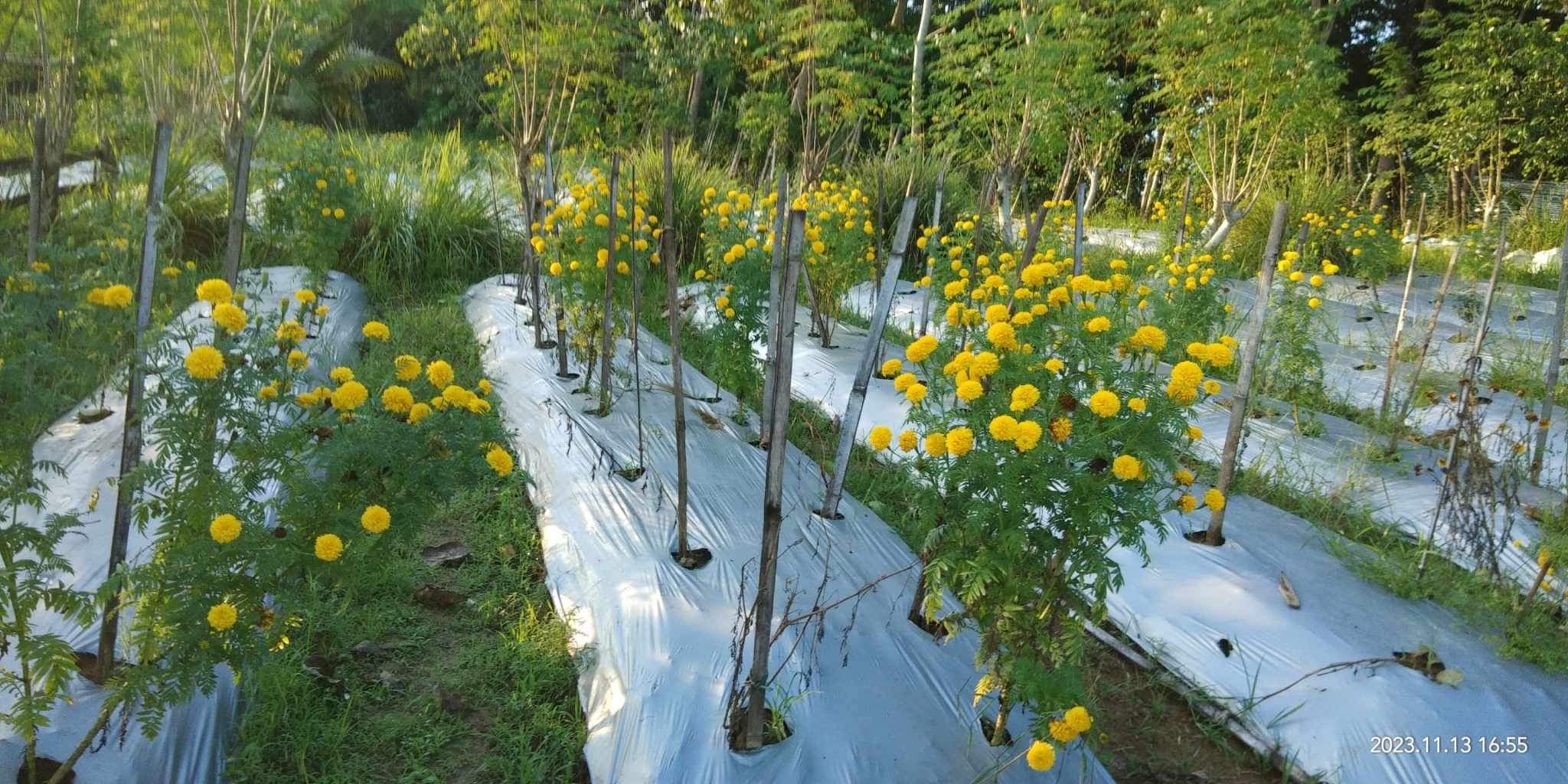
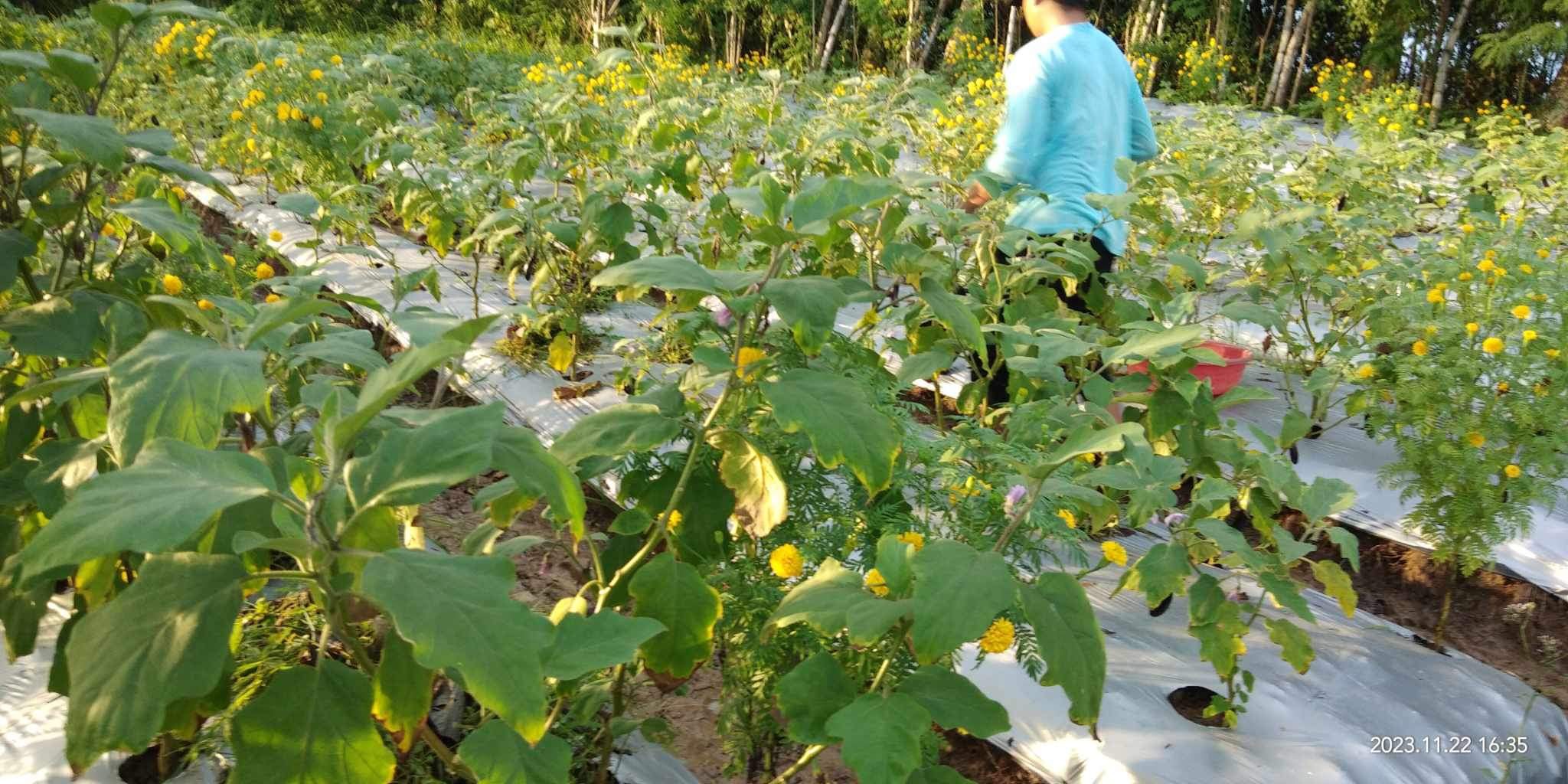
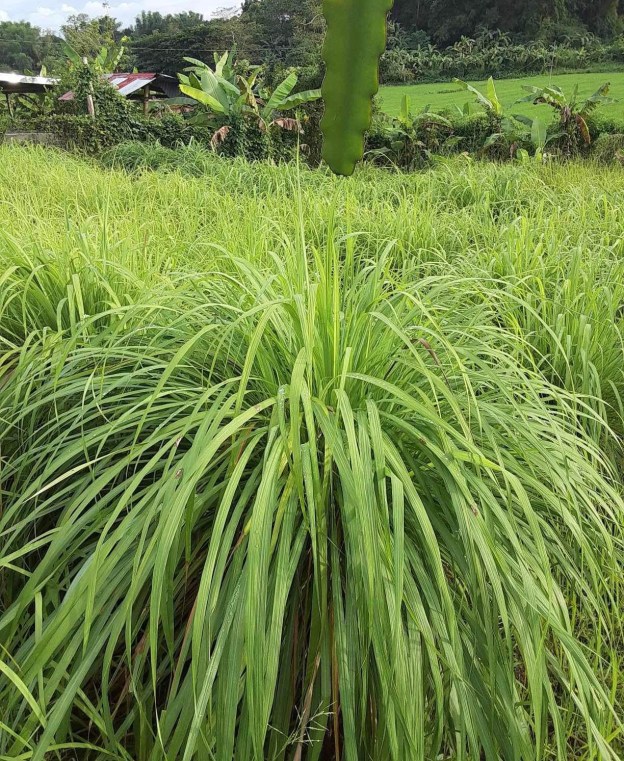
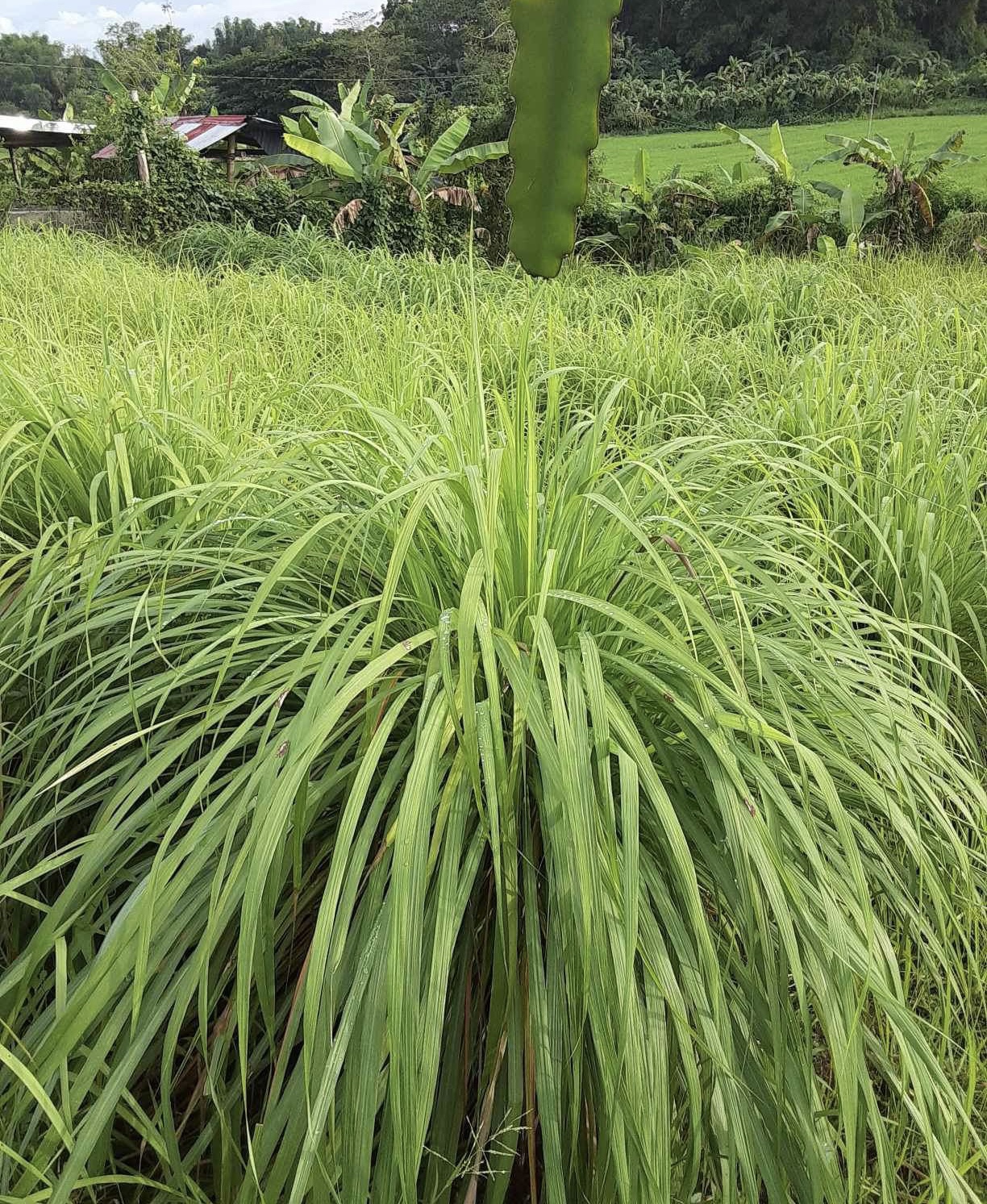
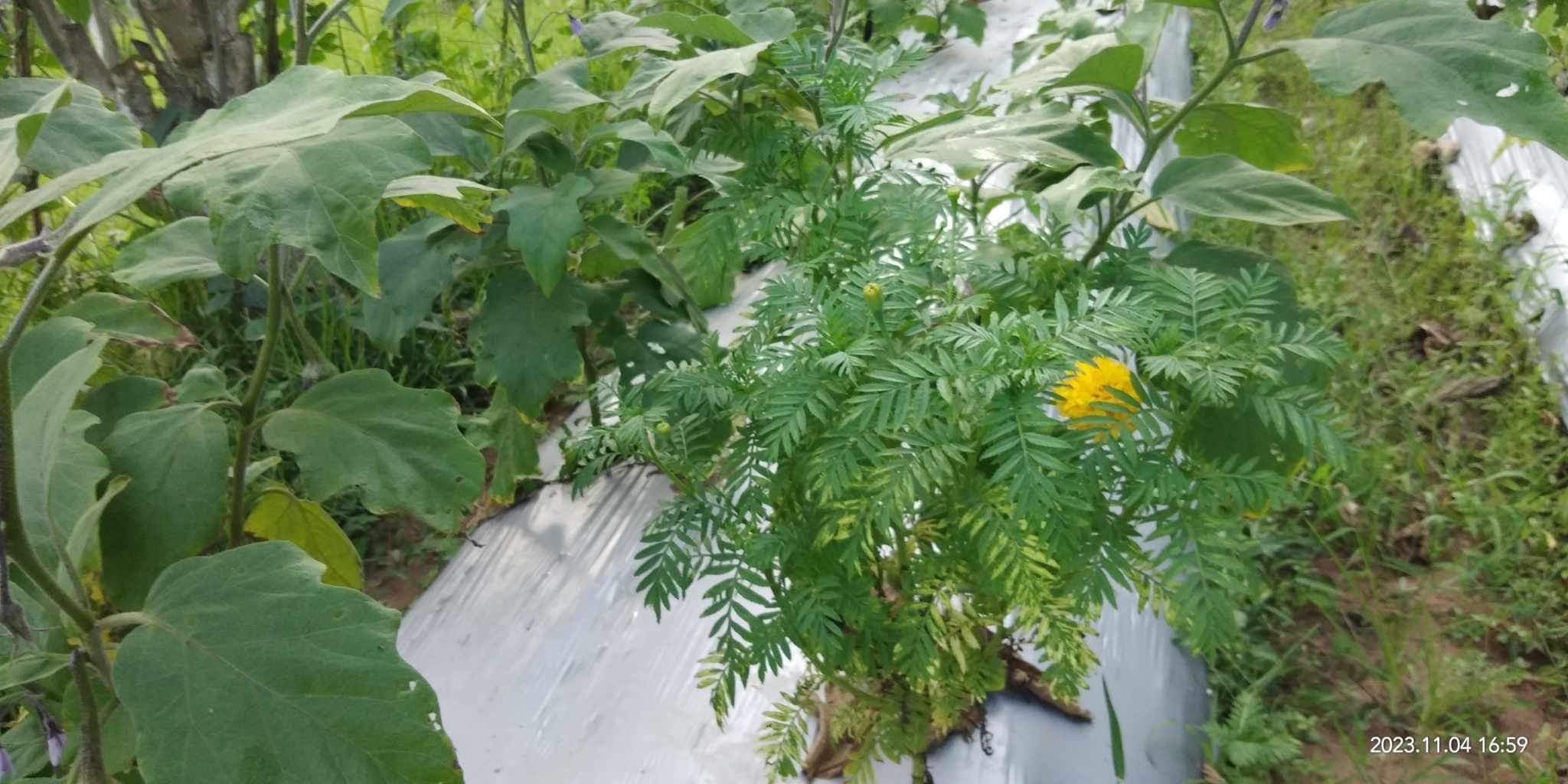
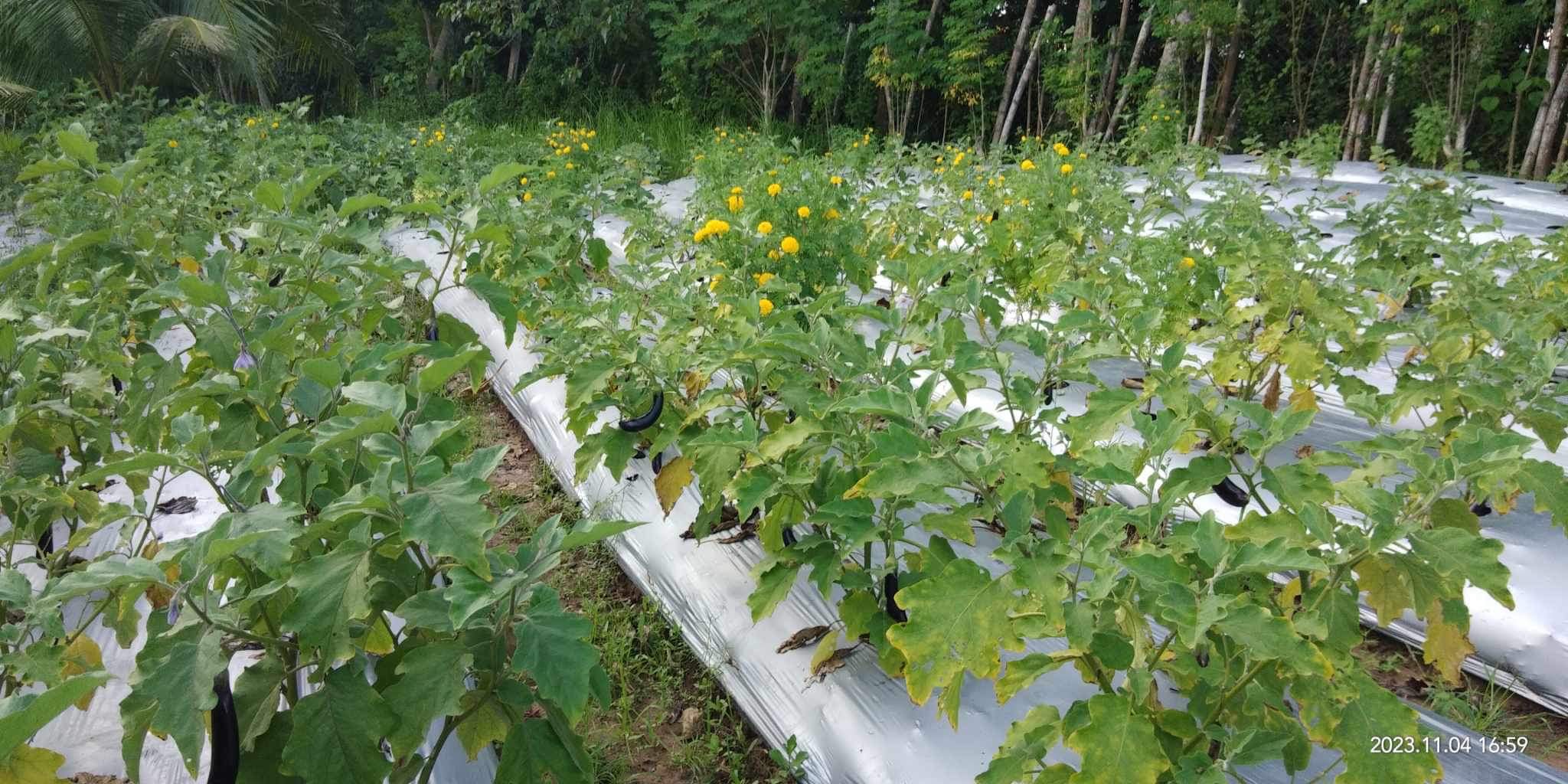
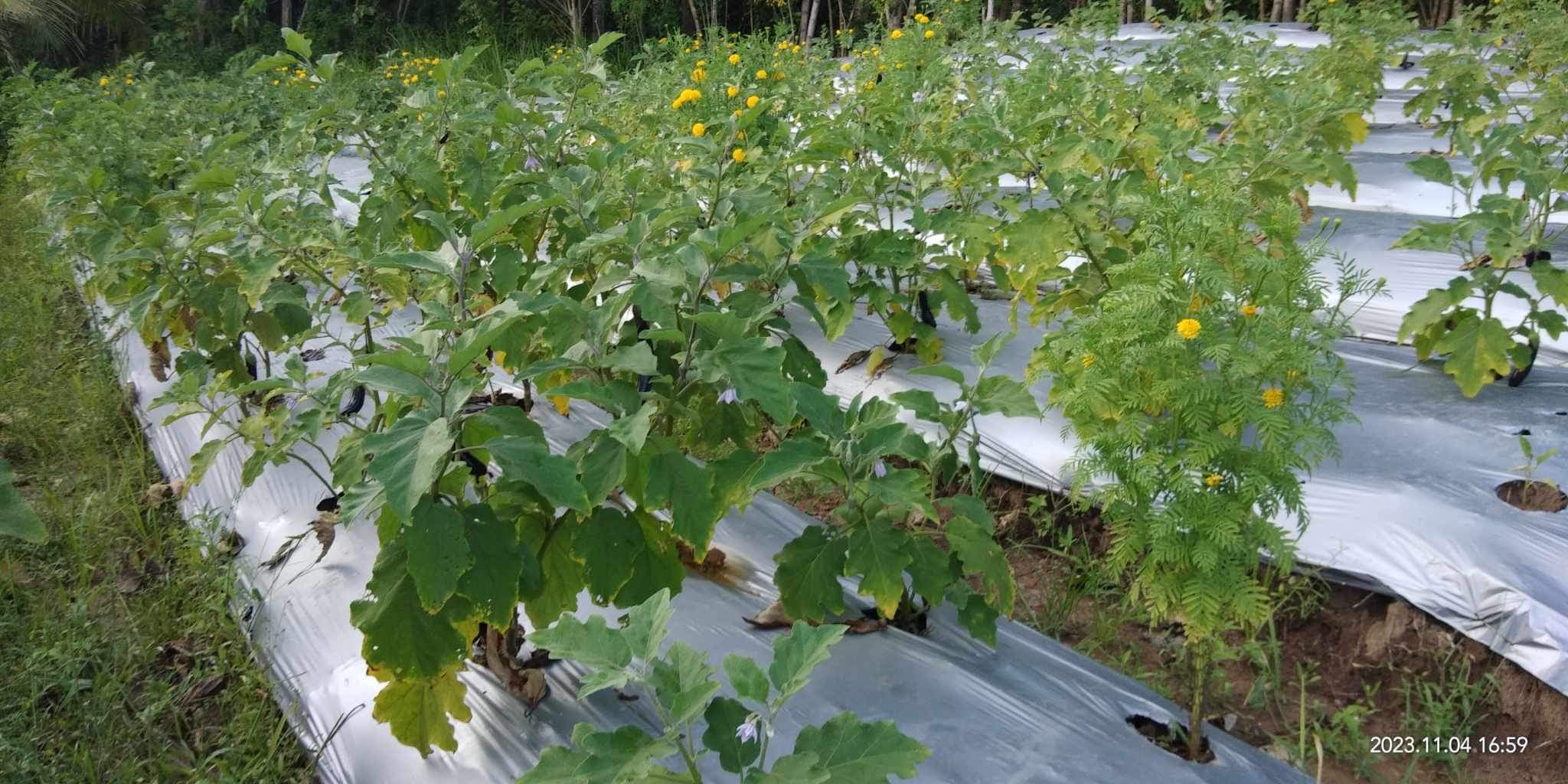
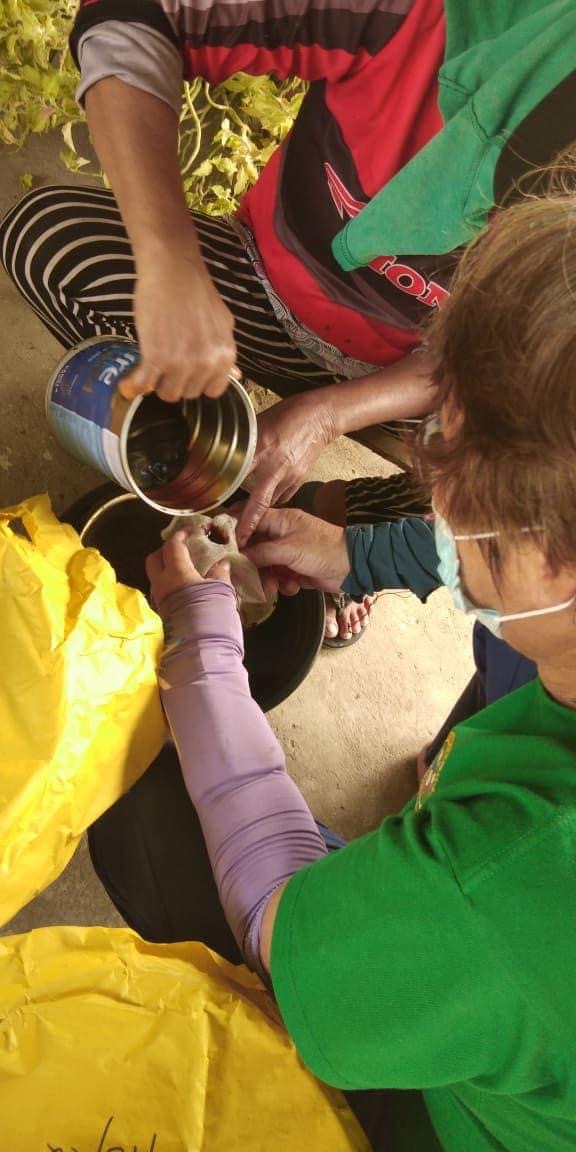
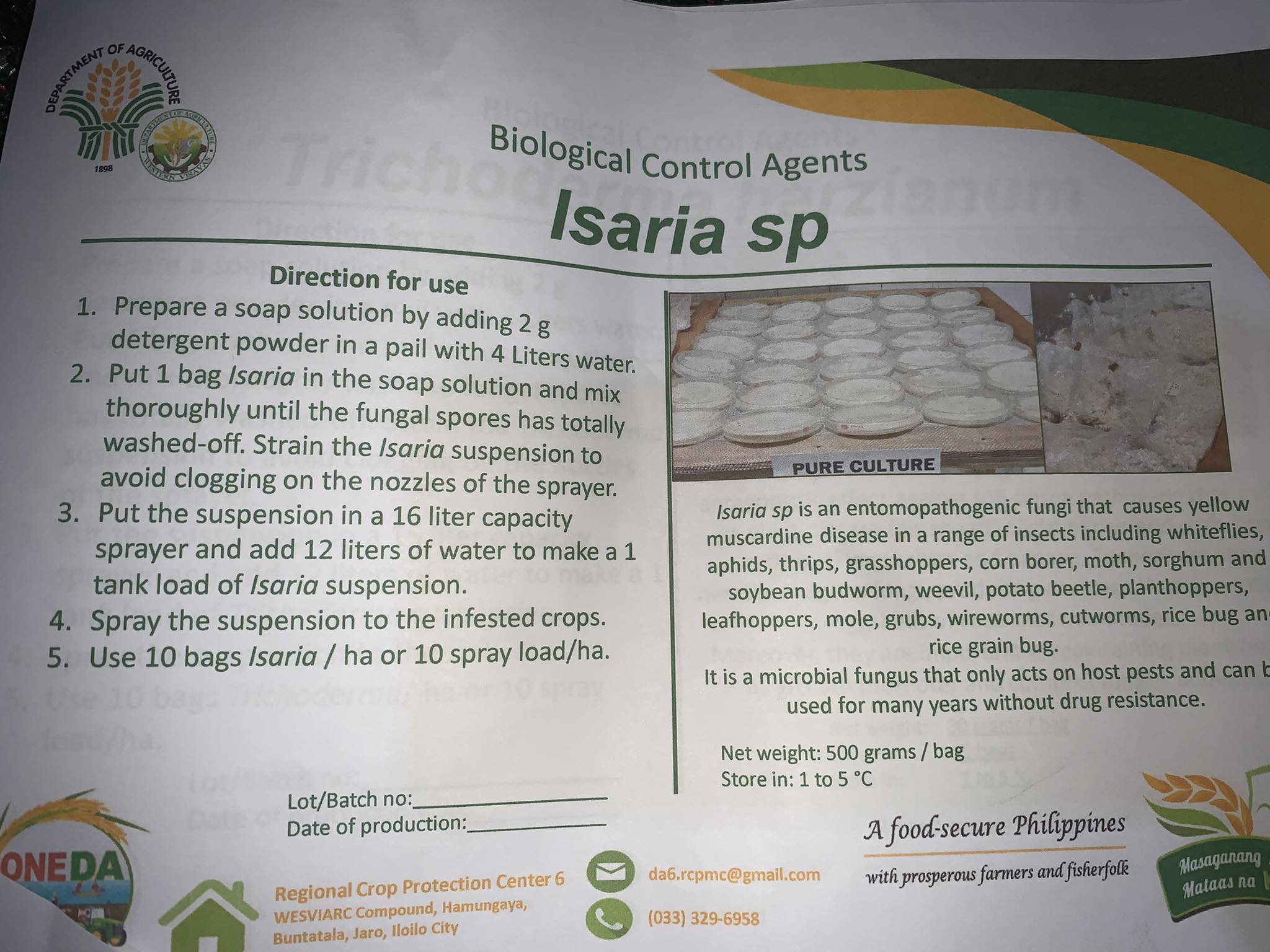
They continue to inspect their plots every day and use their baking soda sprays for bugs they see. They usually see aphids and slugs and they spray their fruits just to make sure the insect borers will not attack them. They have observed that the flying pests that they normally see are not as much, and attribute these to the companion plants they have of marigolds, citronella, and lemon grass bushes.
Note: the culture understands only fertilizers and pesticides that are chemically based. This is the first time they heard about companion plants, pollinator fields, and prophylaxis of baking soda sprays that will prevent pest attacks. They are only used to seeing pesticides that kill insects on contact. Hence, we realized too late that they have not been using the “baking soda sprays” willingly and regularly because of the following reasons.
- “We sprayed them on flying pests, and it did not kill them right away. We know they are not effective in killing pests.”
- “We are not in the fields 24 hours a day to see the pests coming to attack the vegetables, and therefore we will not be there to spray them when they come in order to kill them.”
On the positive side, they did see a dramatic decrease in insect borer attacks as compared to previous years, and they have not seen any spoiled tomato or eggplant harvests this year because of this. Aphids have also been controlled. Education is again given to change their inherent belief system, in the use of baking soda sprays.
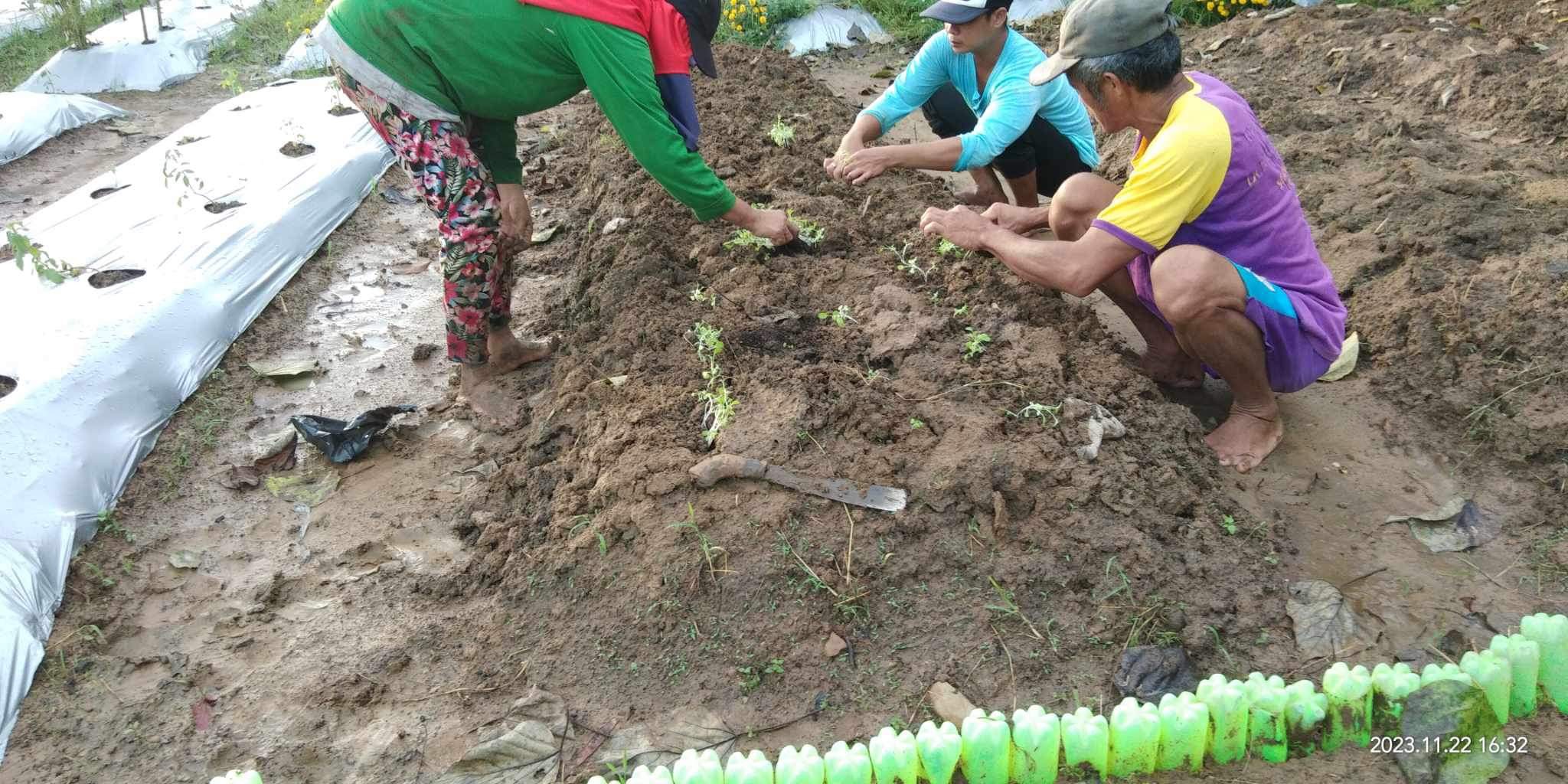
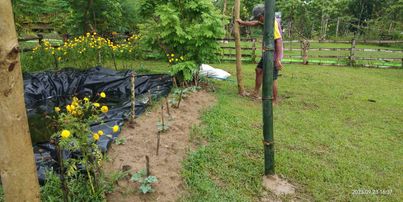
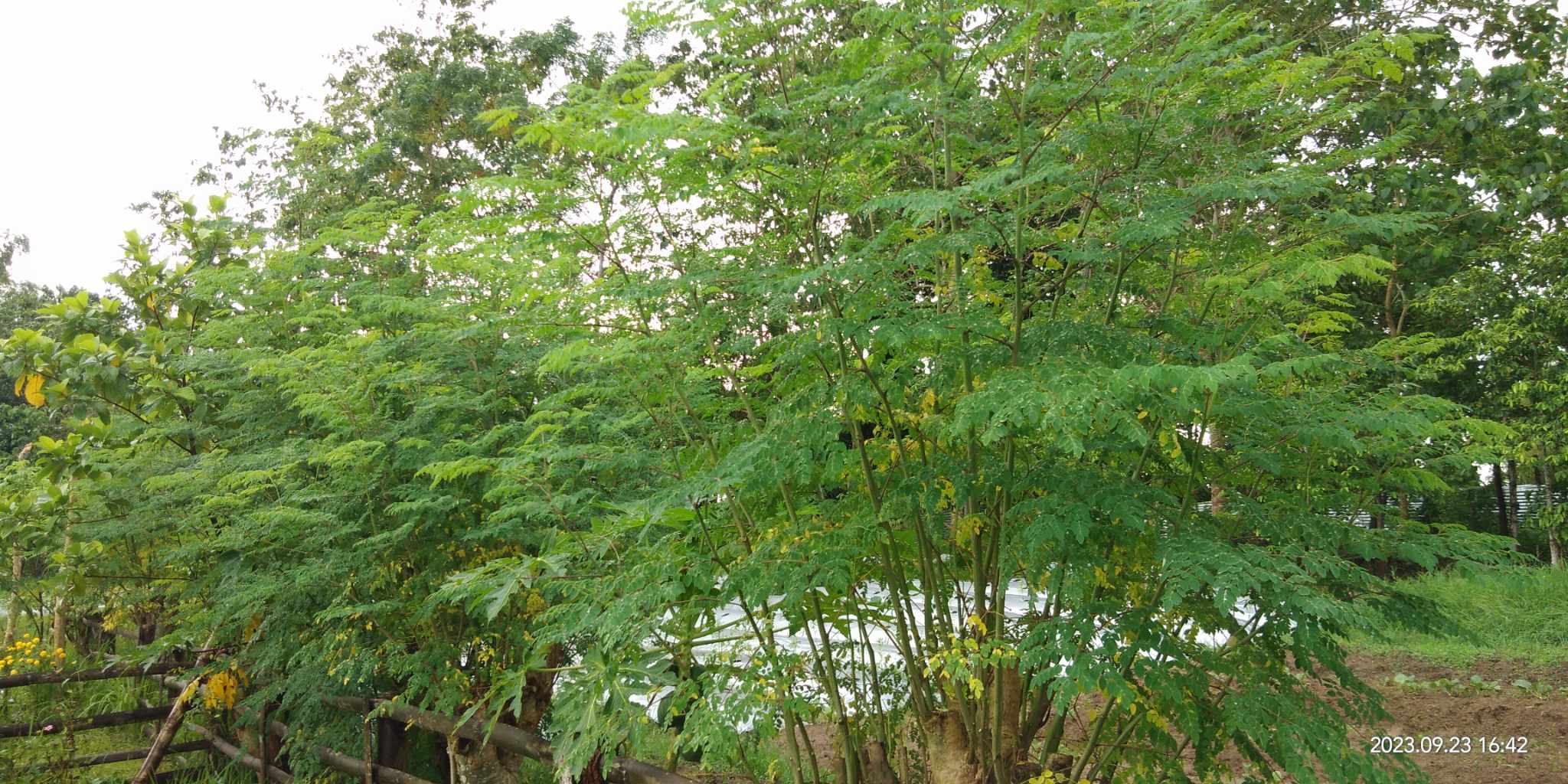
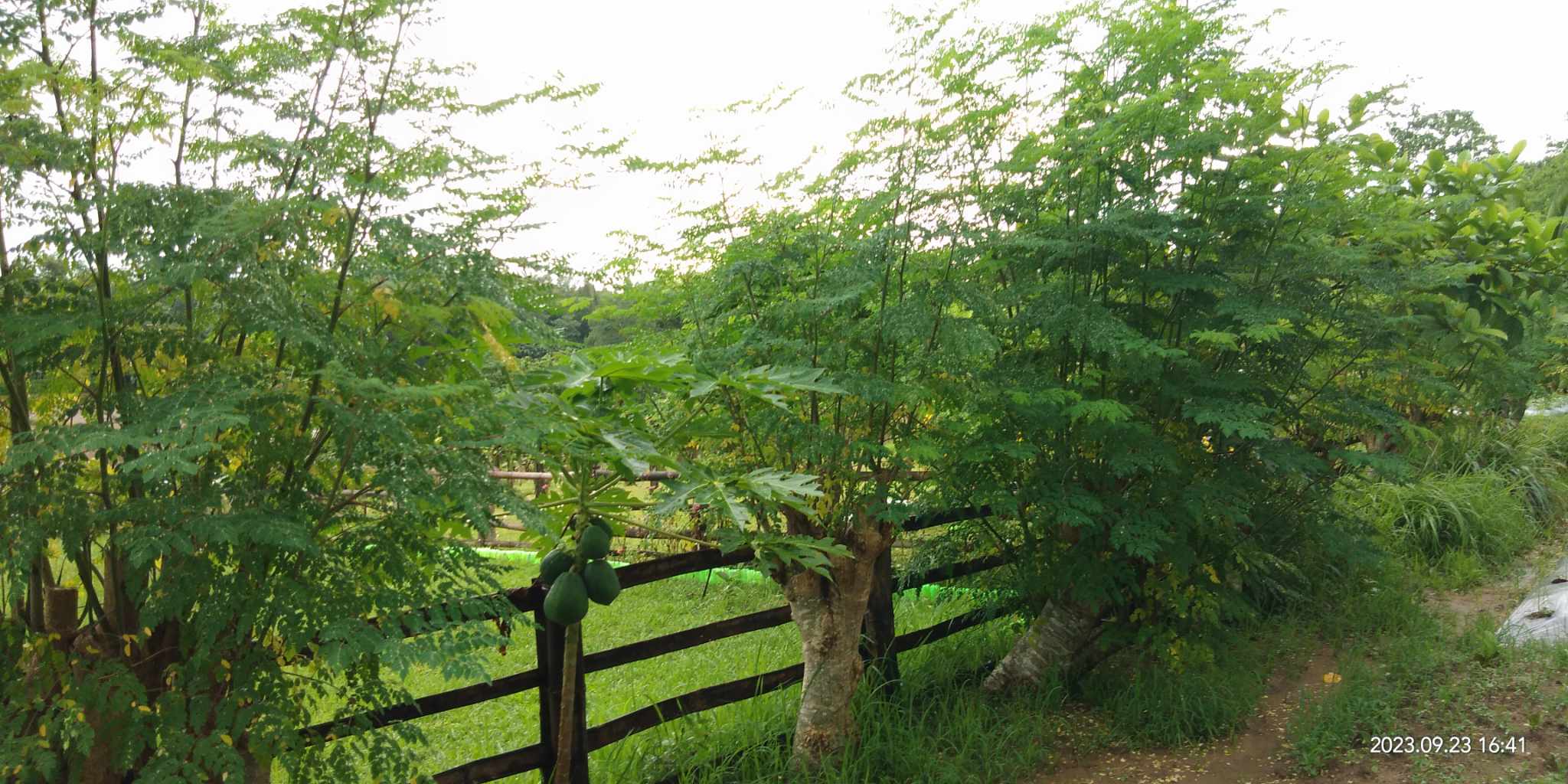
Planting of marigolds: they waited about 3 weeks to plant these, because they said, “That is not a vegetable, and we cannot eat that.” Hence the marigolds have not flowered yet when their vegetables started to flower and bear fruit. Not enough protection was given.
They did plant citronella and lemon grass as their other companion plants, but these were planted too far away from their vegetable plots to give protection.
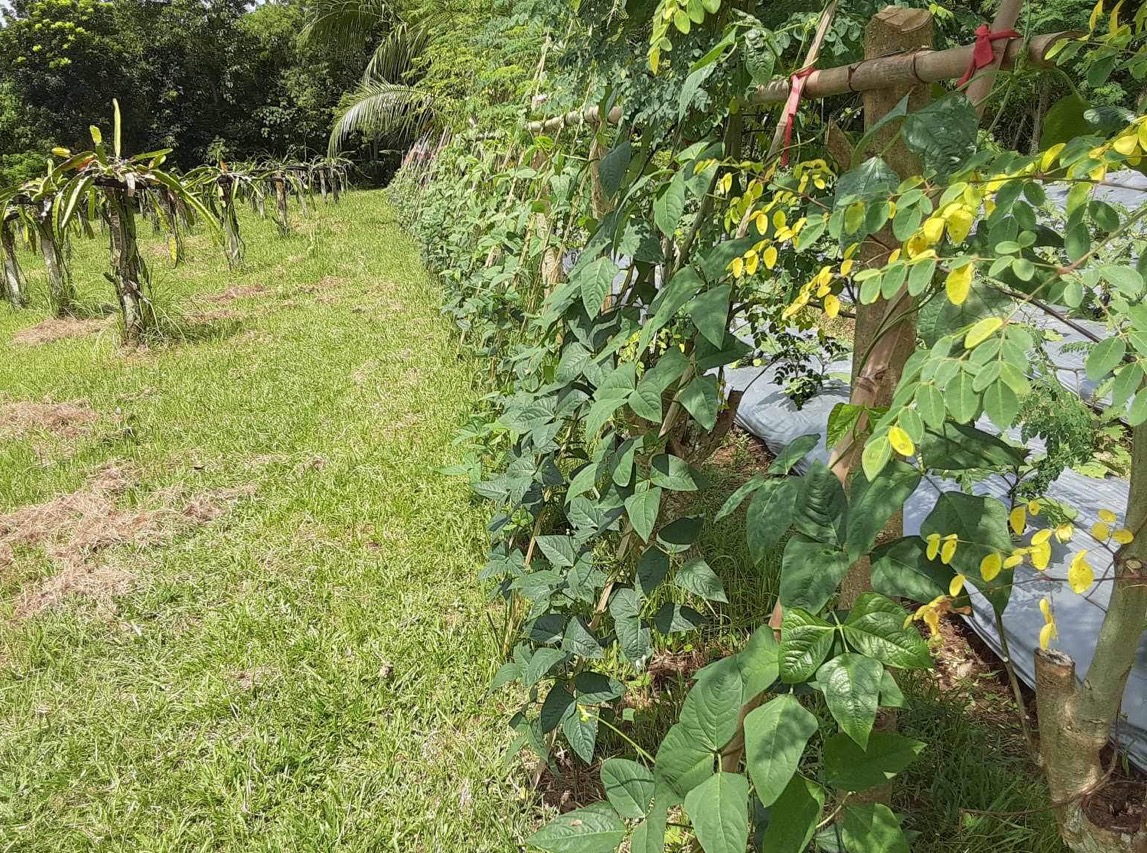
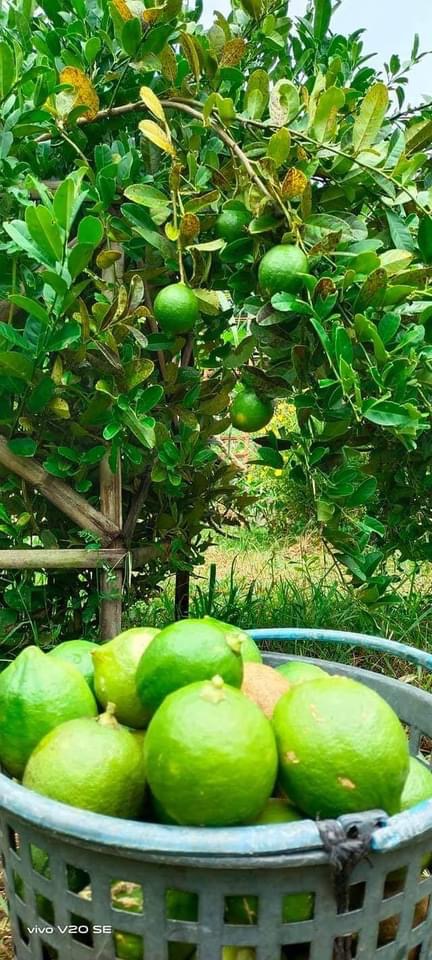
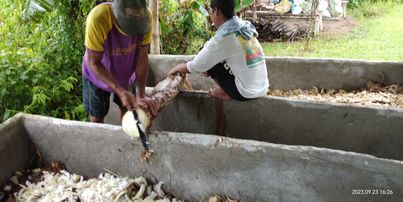
Planting of fruit trees. The planting of cacao and coffee seedlings is not completed yet, as they are waiting to find more banana saplings to plant with them, and more coconut trees to plant in between to give it shade when it grows higher.
Blaming nature for their poor crop harvests.
“It has been raining every day in the evening, so our tomato blooms get washed away.”
“Our tomato fruits are all small, we did not fertilize them enough. We need to give them more ‘complete’ and urea”. (They actually planted cherry tomatoes. Their fruits will never get any bigger. They were the only available seeds available to purchase at the start of the program.) But then we started a discussion again on NPK. What brings in the leaves, what strengthens the roots, and what encourages blooming and fruiting. These questions will be in their final exam.
“It has been too hot which is why the tomato plants are wilting.” If it is not too much rain, now they blame too much heat.
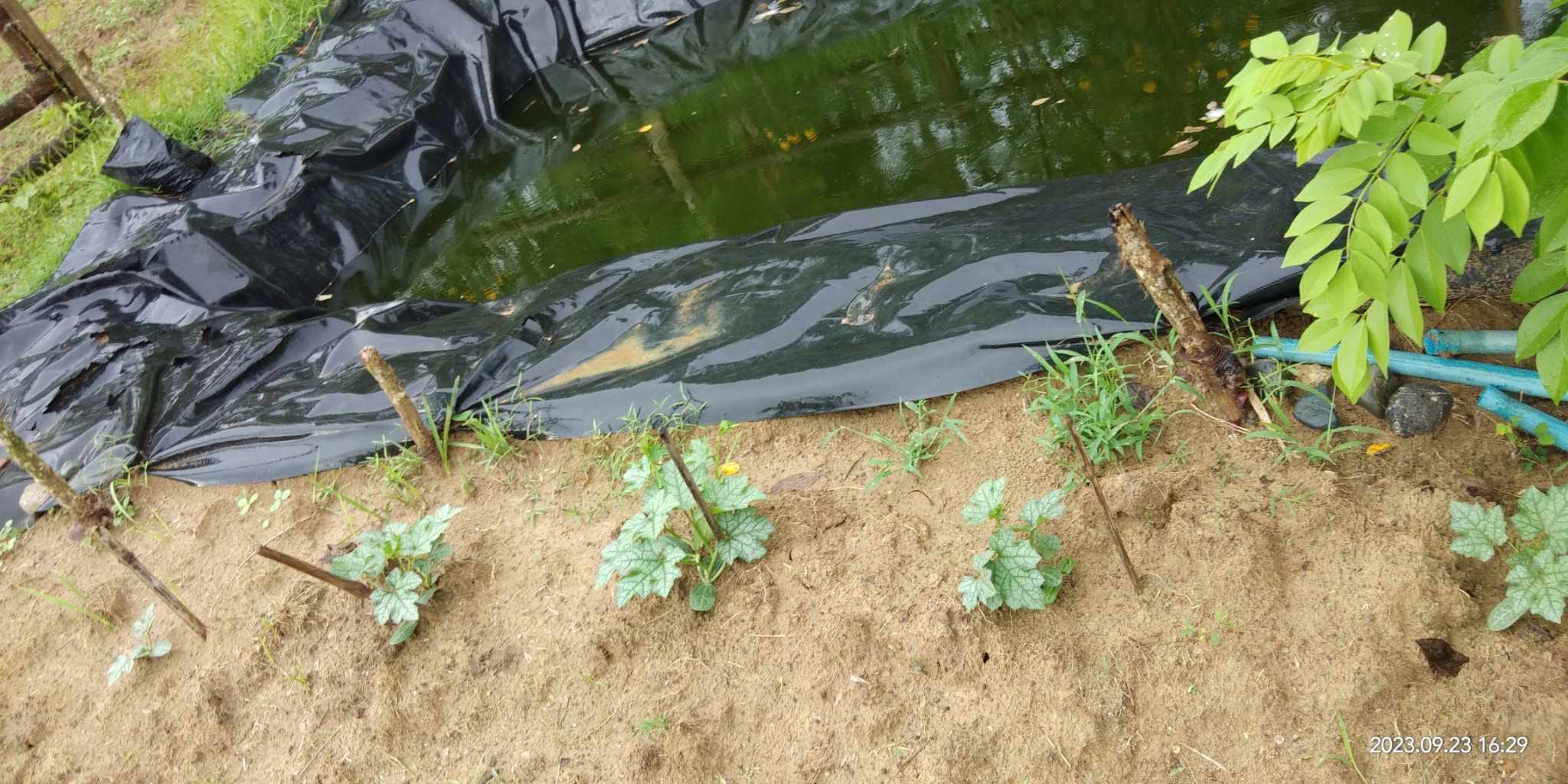
But they do have water reservoir ponds that they could get water from to water their crops on days that it does not rain. In fact, these ponds have been very successful in maintaining enough water for the plants that we have not pumped water from our wells to water them.
Despite the continuous education and change in inherent belief systems prevalent in the culture, they do note the following.
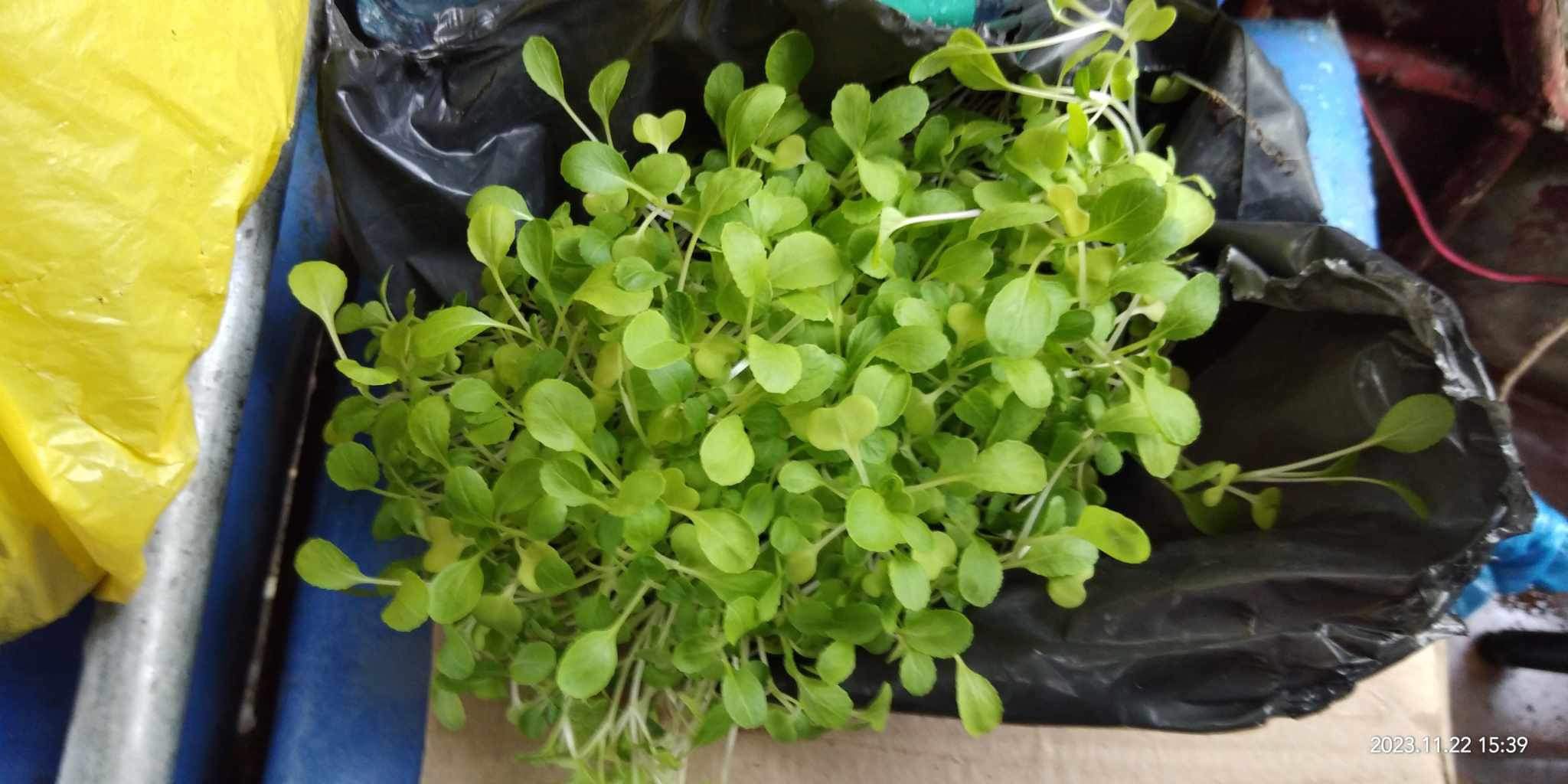
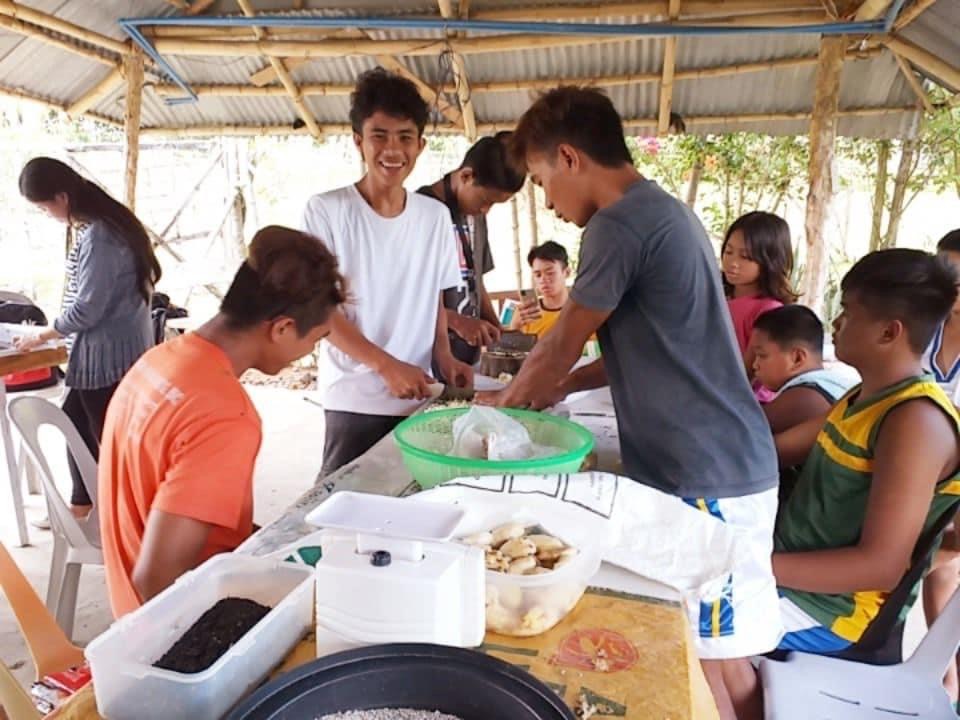
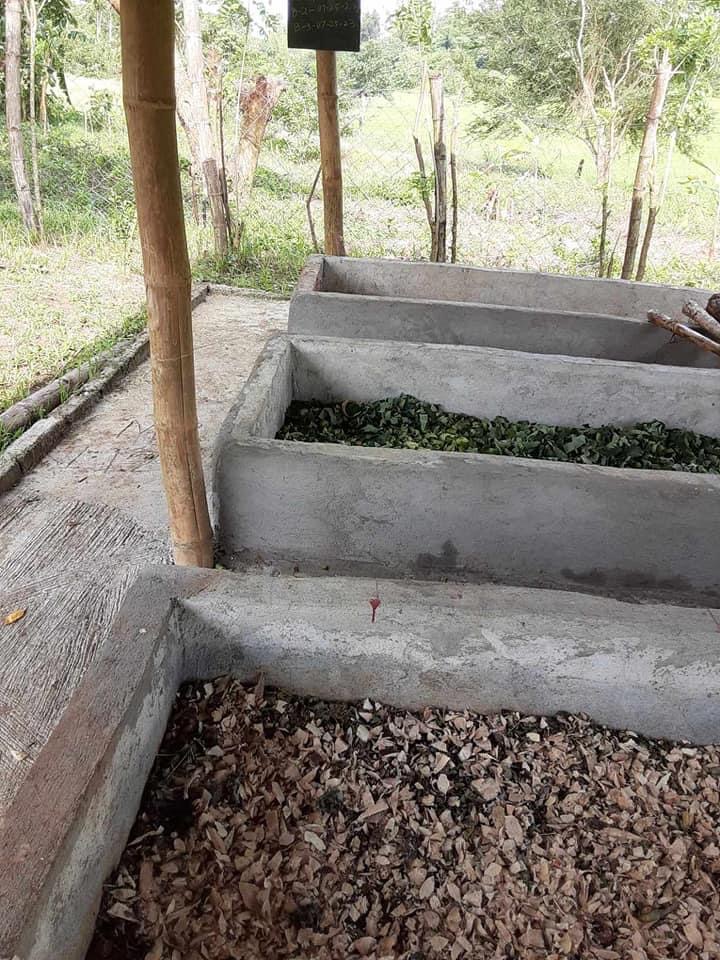
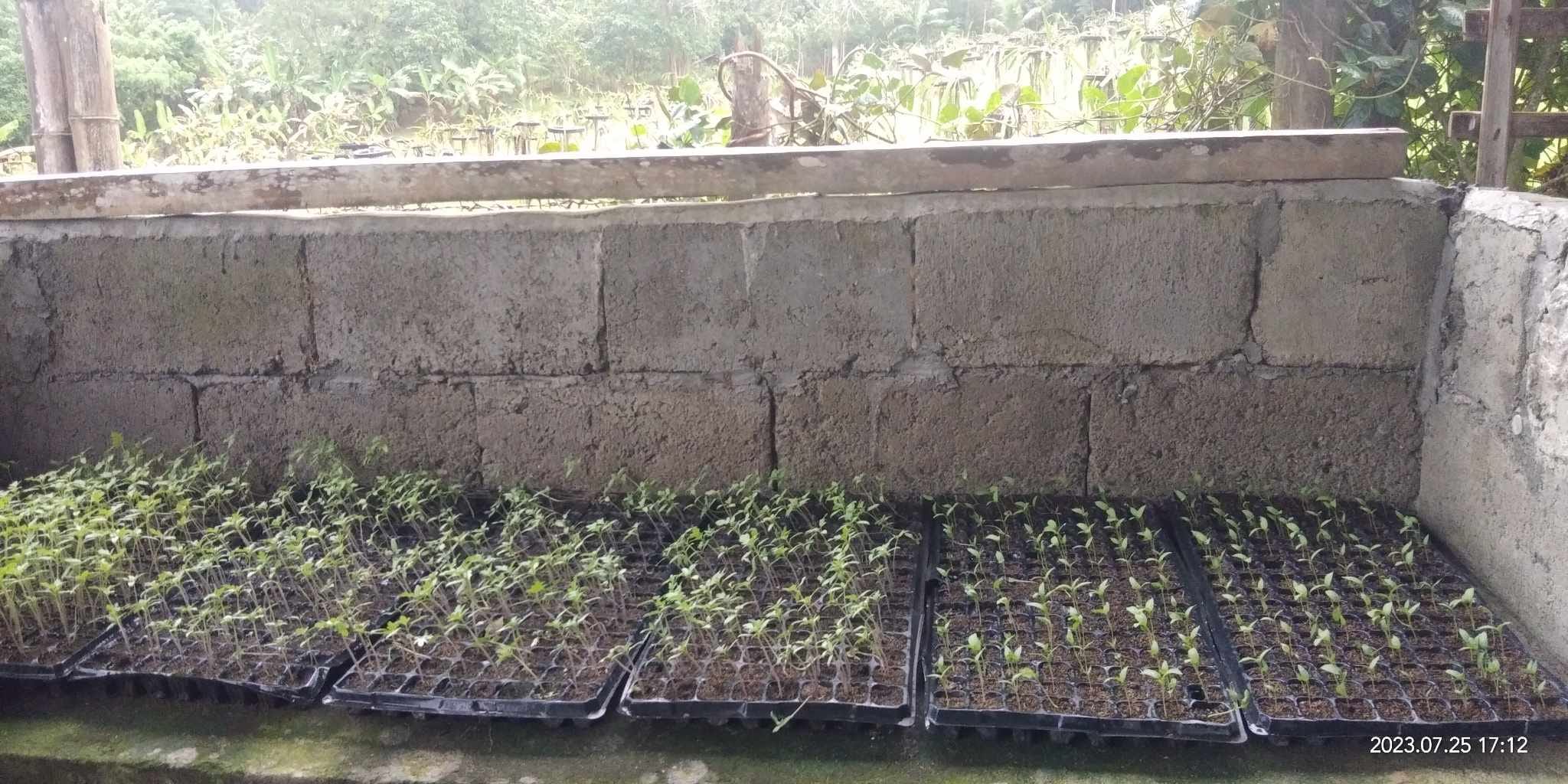
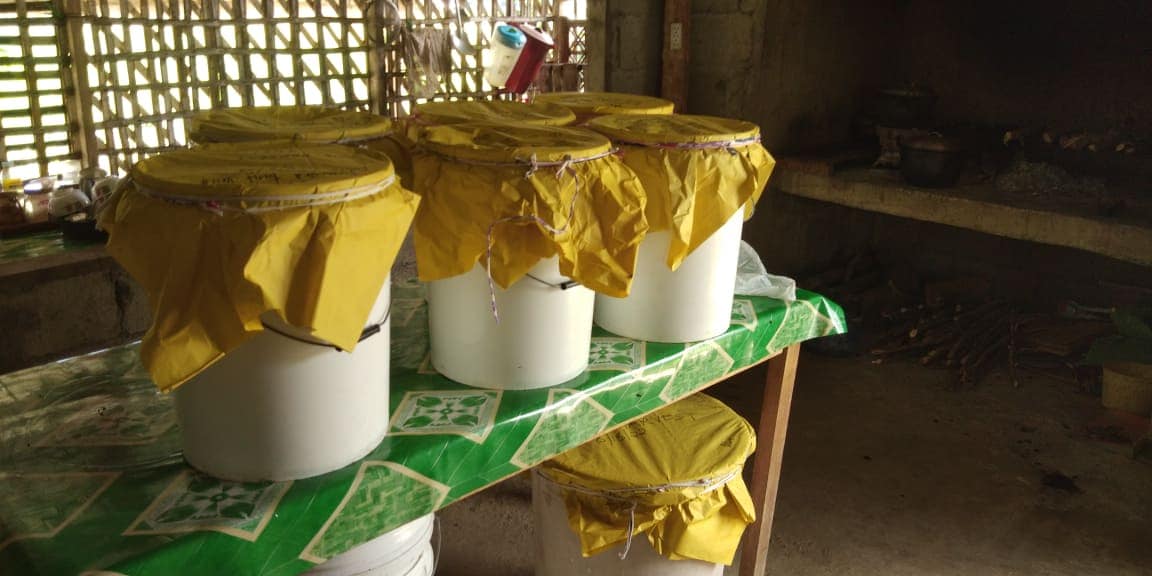
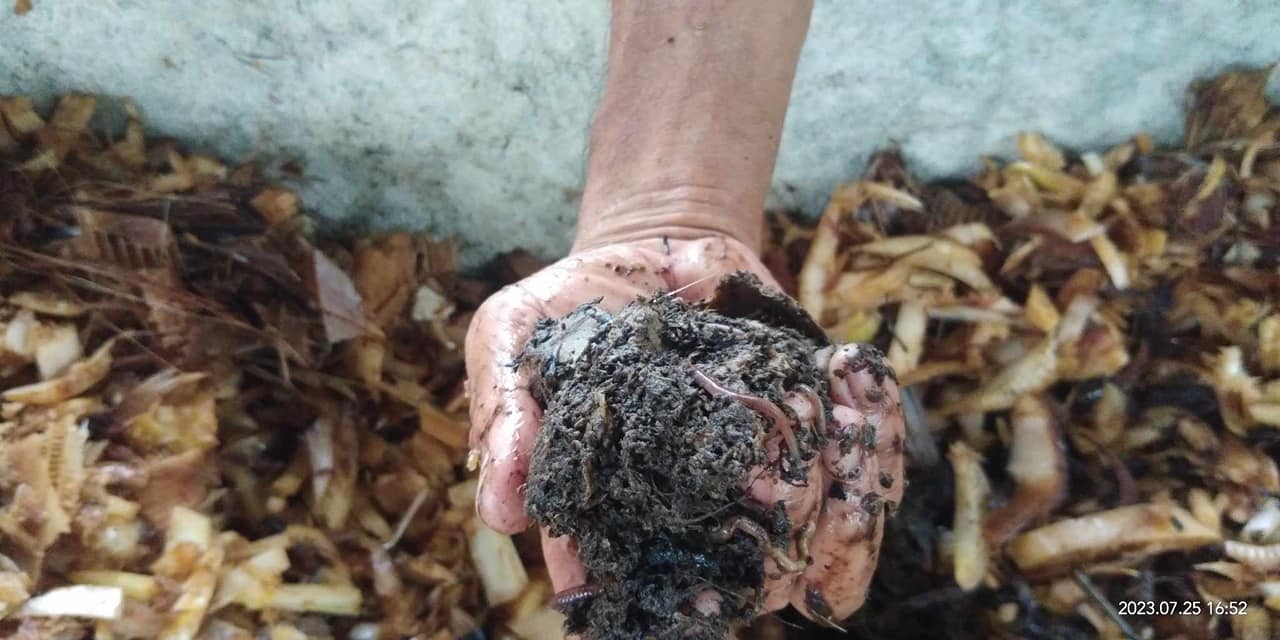
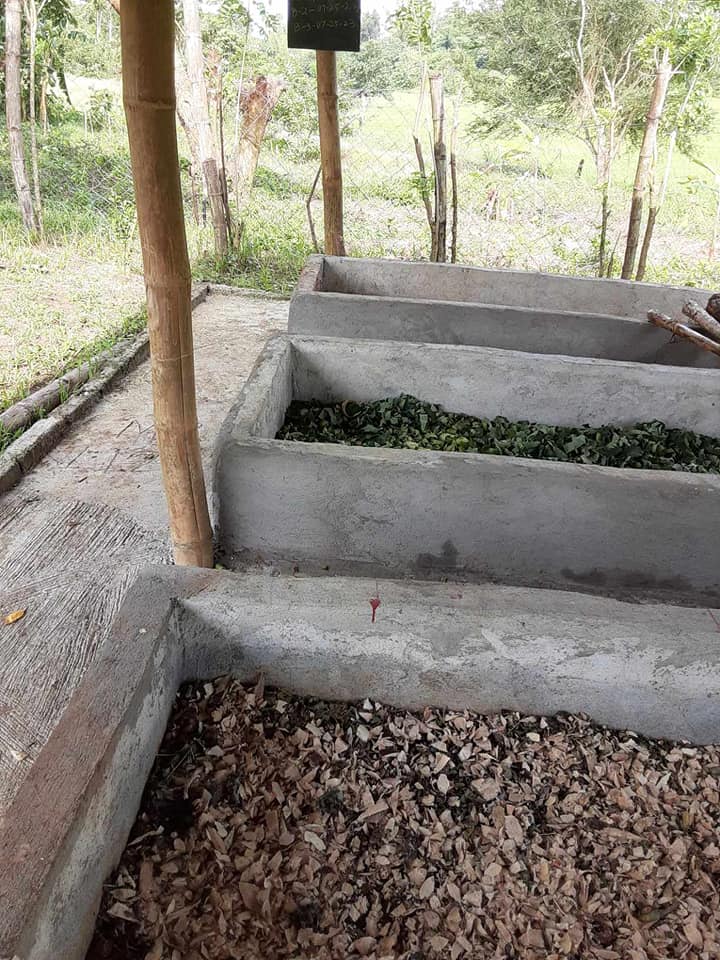
We are harvesting compost from our vermicast bins now, and are able to use them already on our germination trays and plots.
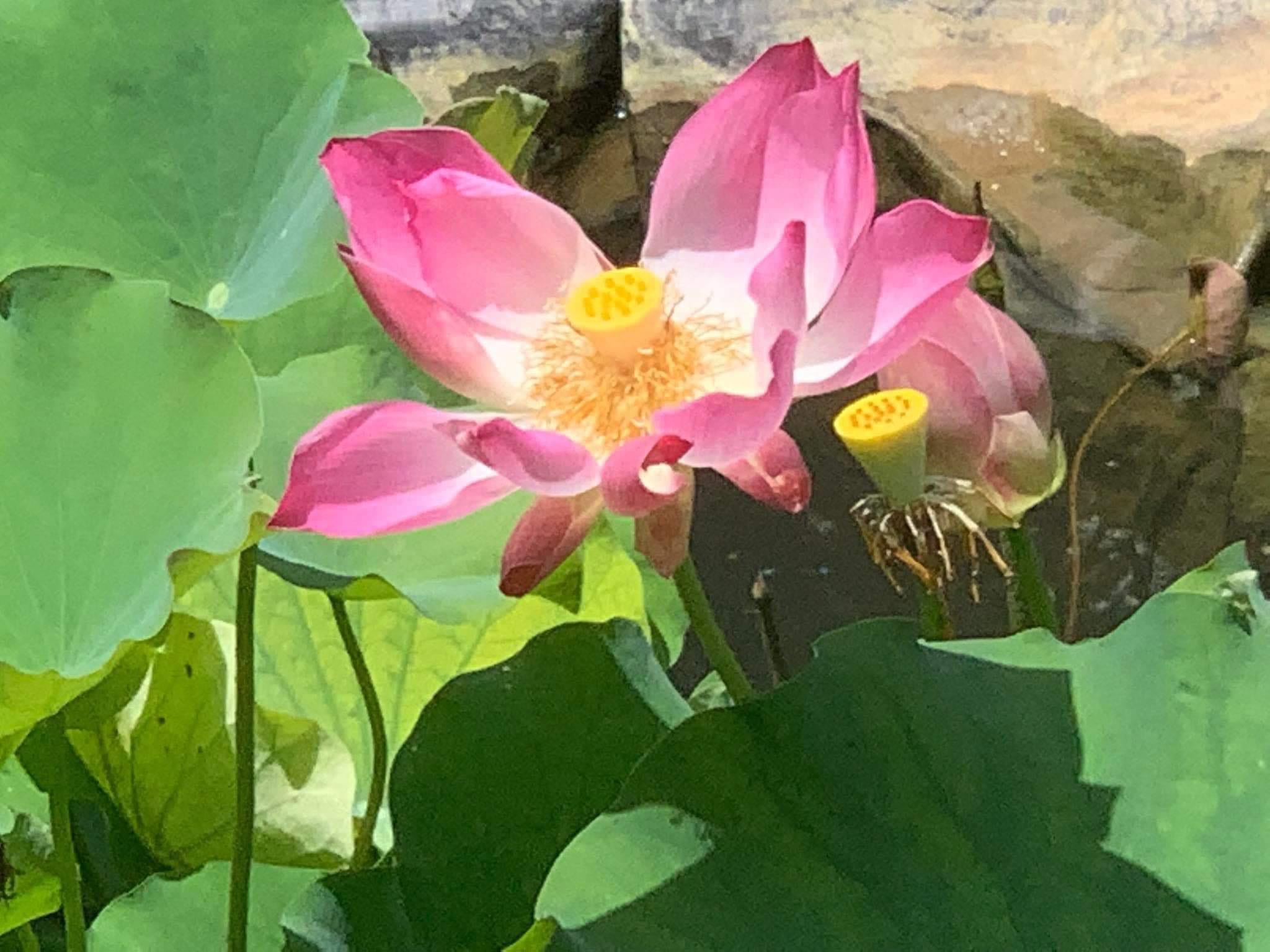
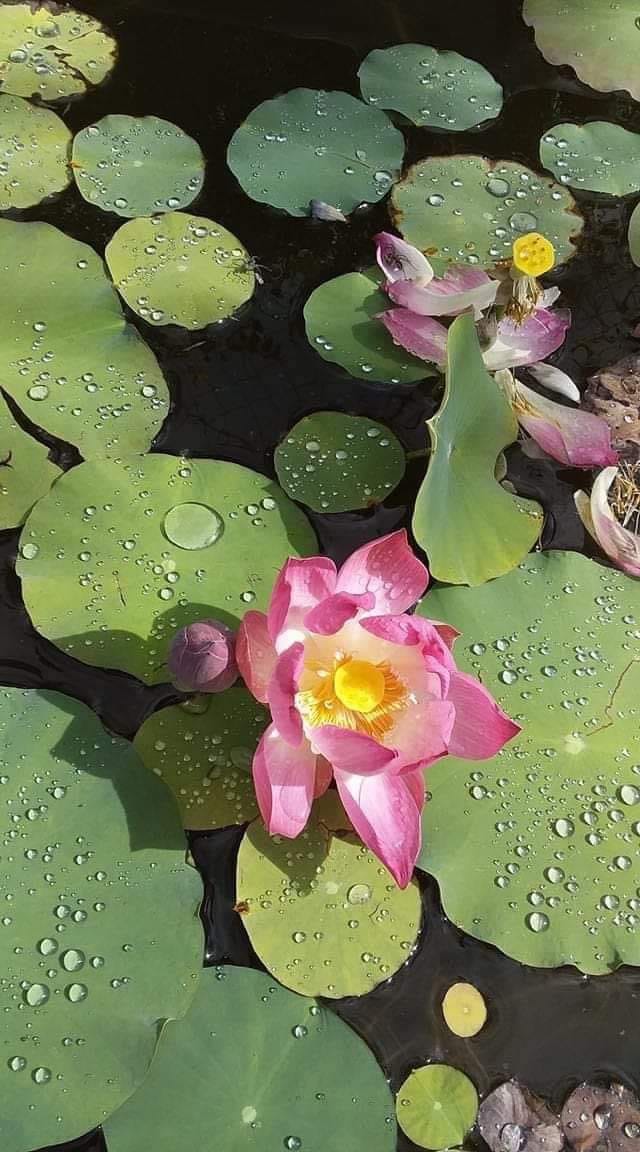
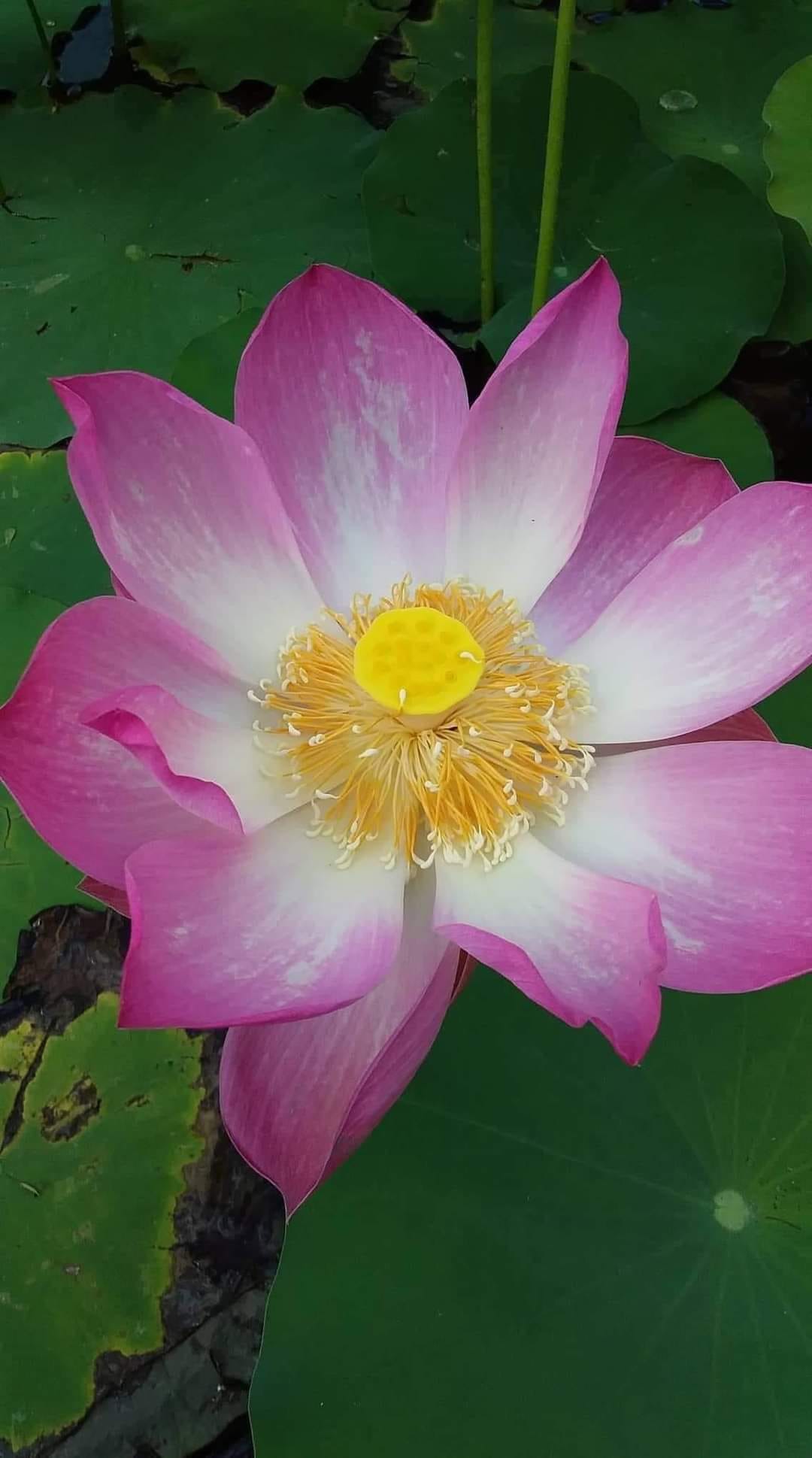
The water reservoir ponds which we call lotus ponds 1 and 2 (we planted a lotus in them to clarify the muddy water) are always filling up from rainwater in the morning and are of enough quantity to use in the fields daily. They have been stocked with just enough tilapia to feed on mosquito larvae that could be breeding in the still water. Dengue is still prevalent in the province, and there is a mandate to treat all standing water to prevent mosquitoes from using it as breeding grounds. But the lotus flowers are also attracting dragonflies, which are seen hovering over them daily. Frogs which are attracted to the water, also help control pests and harmful insect populations. Mosquitoes, fruit flies, and big flies are not observed on the farm, as they used to be.
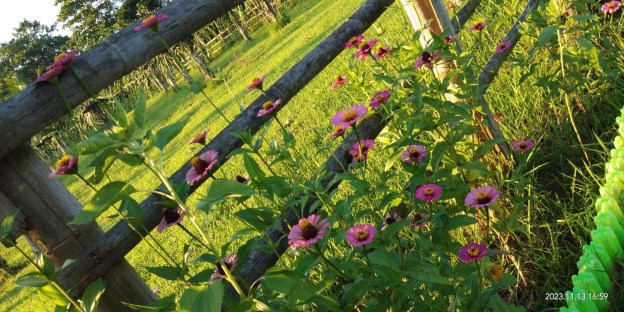
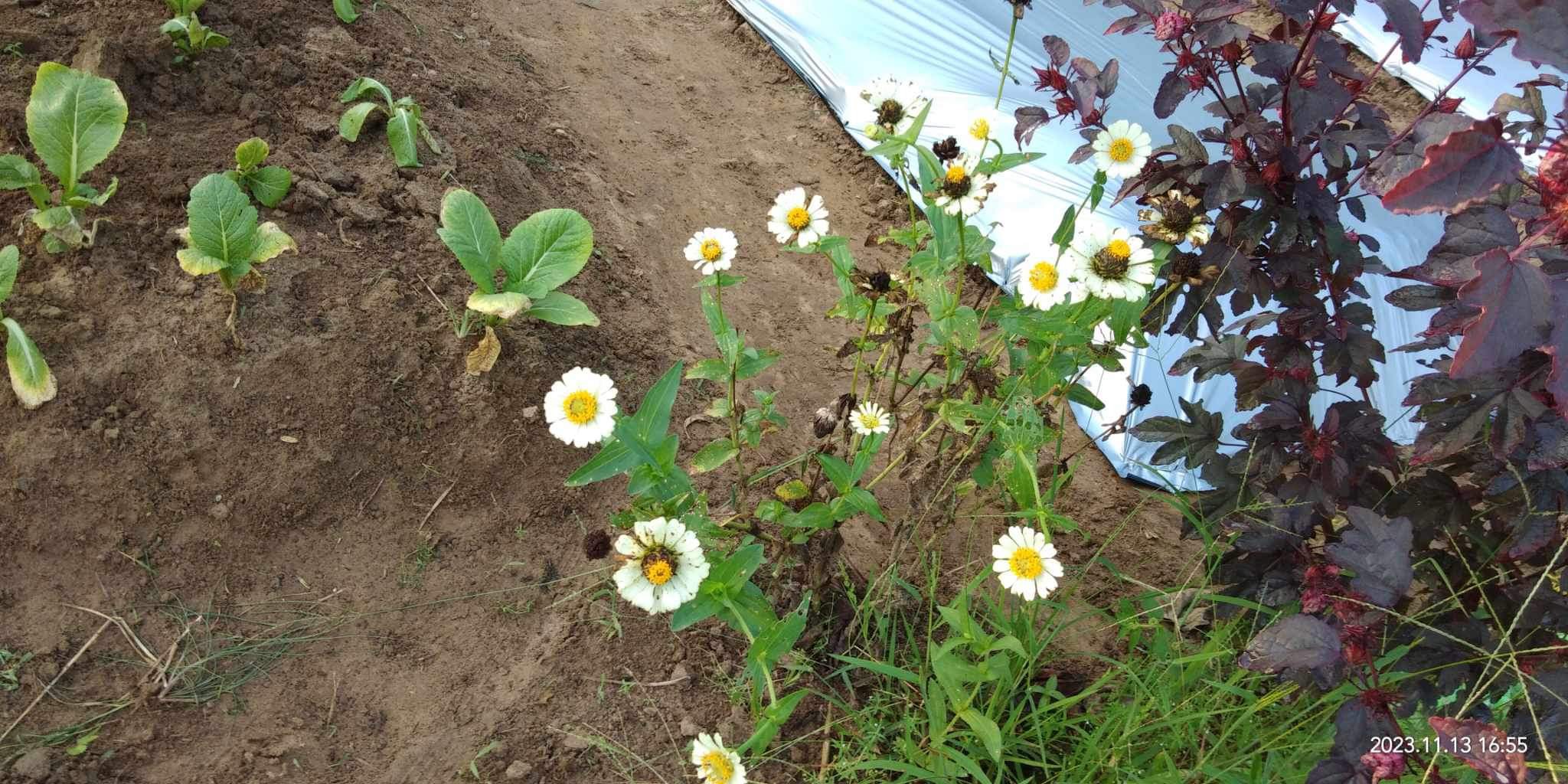
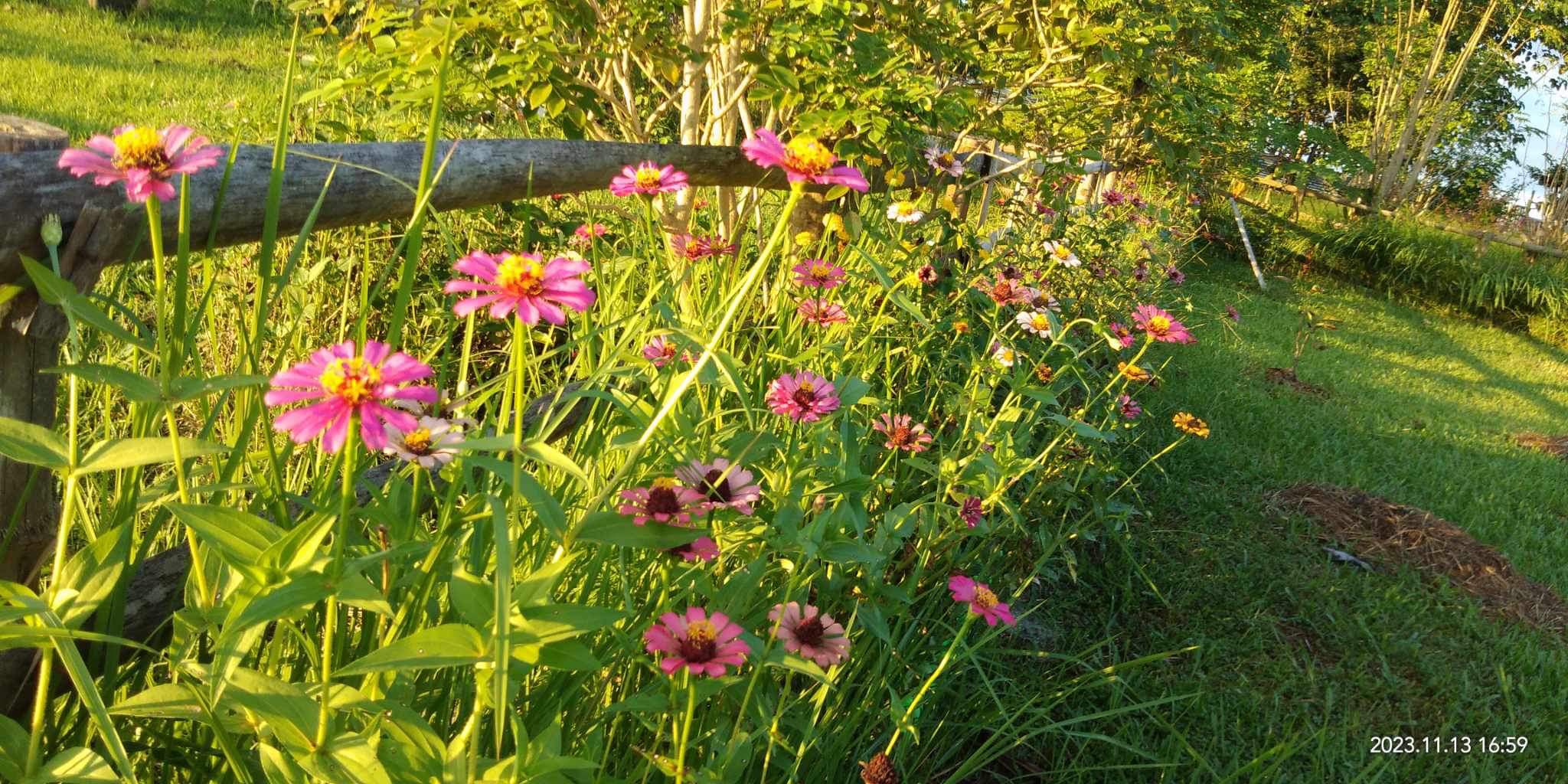
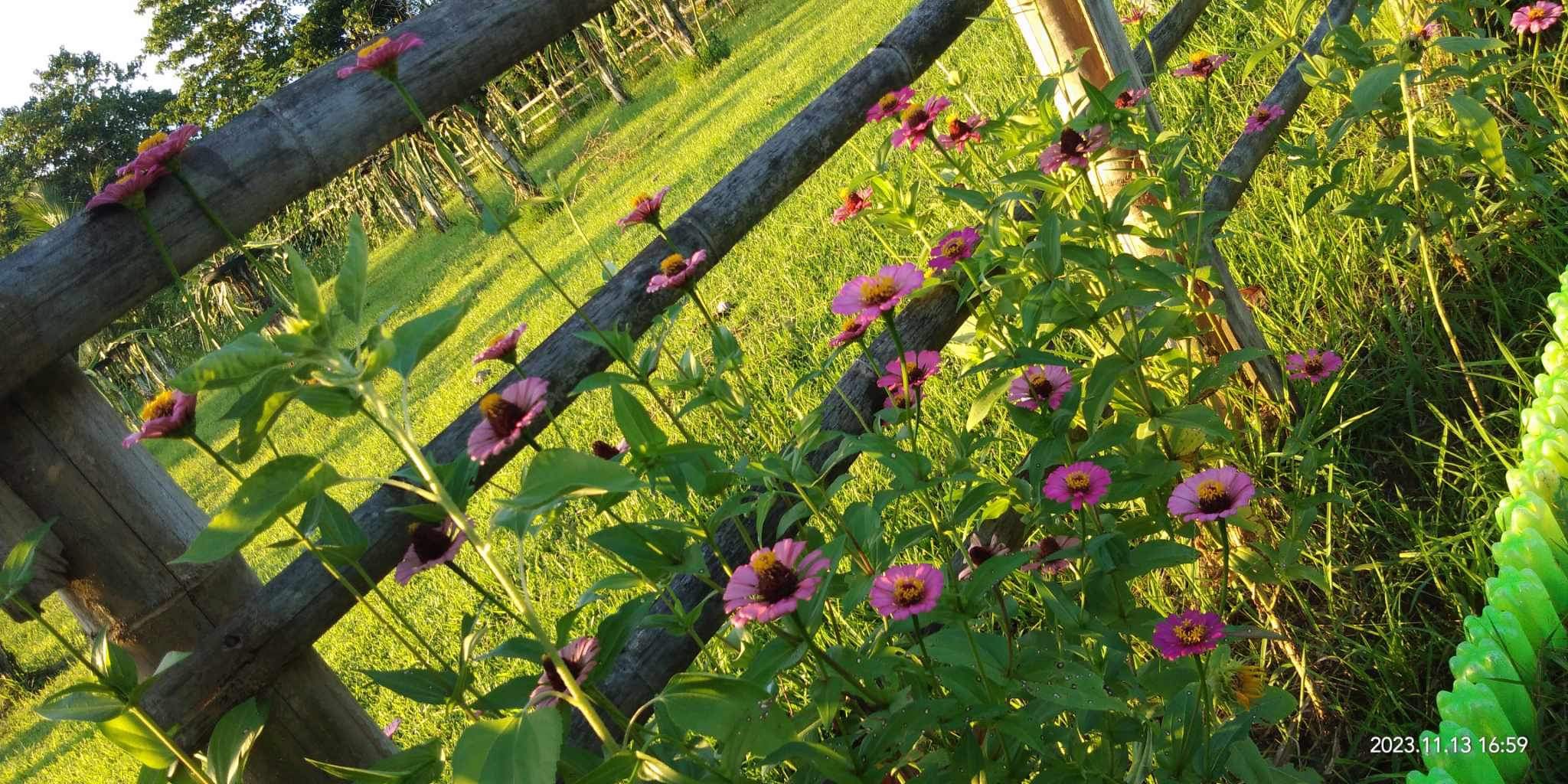
They just planted their pollinator garden about 2 weeks ago, and the plants are still small. Again, another educational point, as they could not understand why they must plant flowers along with their vegetables. Discussion on pollinators ensued. Pollinators are important as without them our unpollinated flowers will not bear fruit, thus no food.
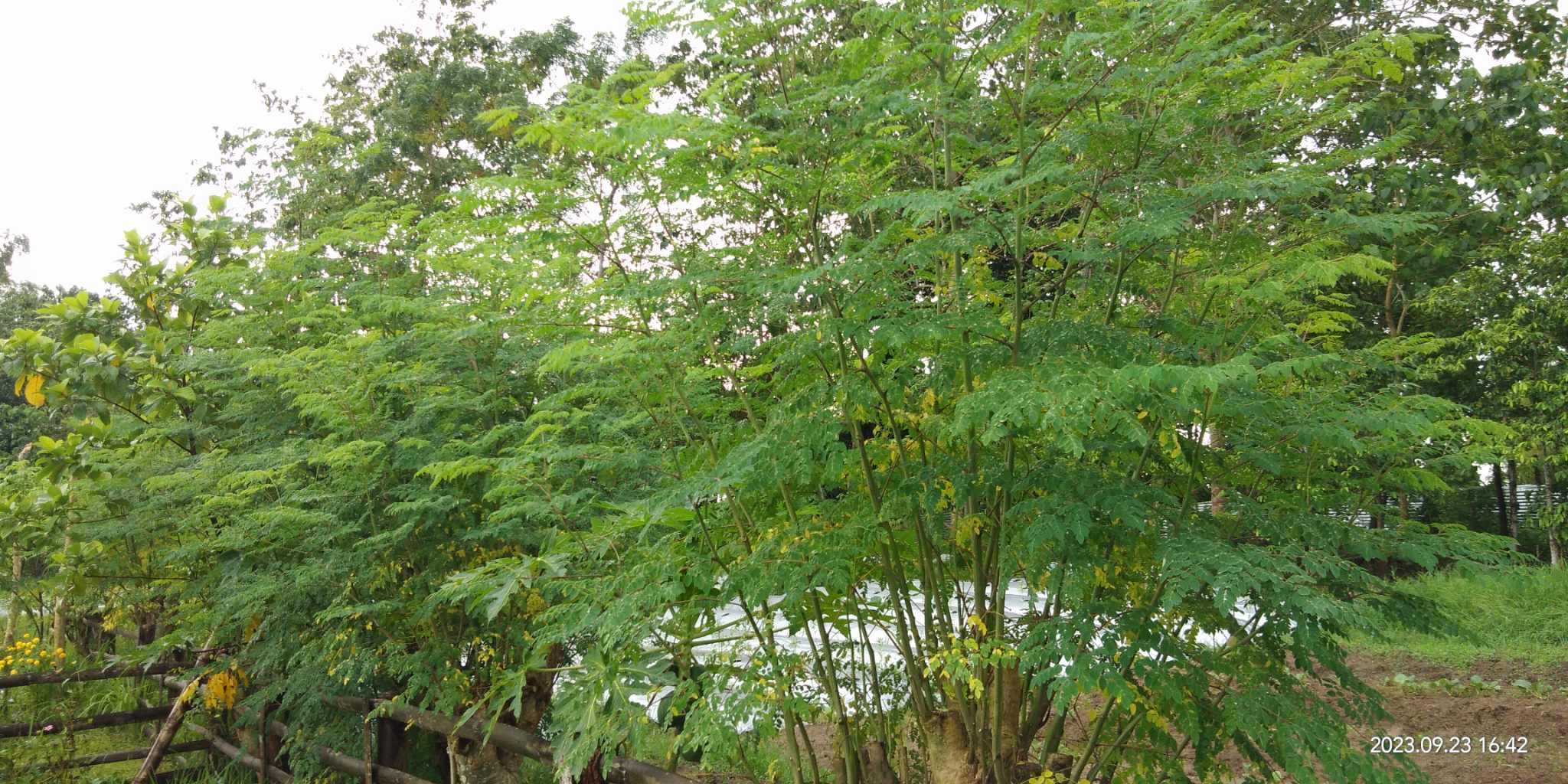
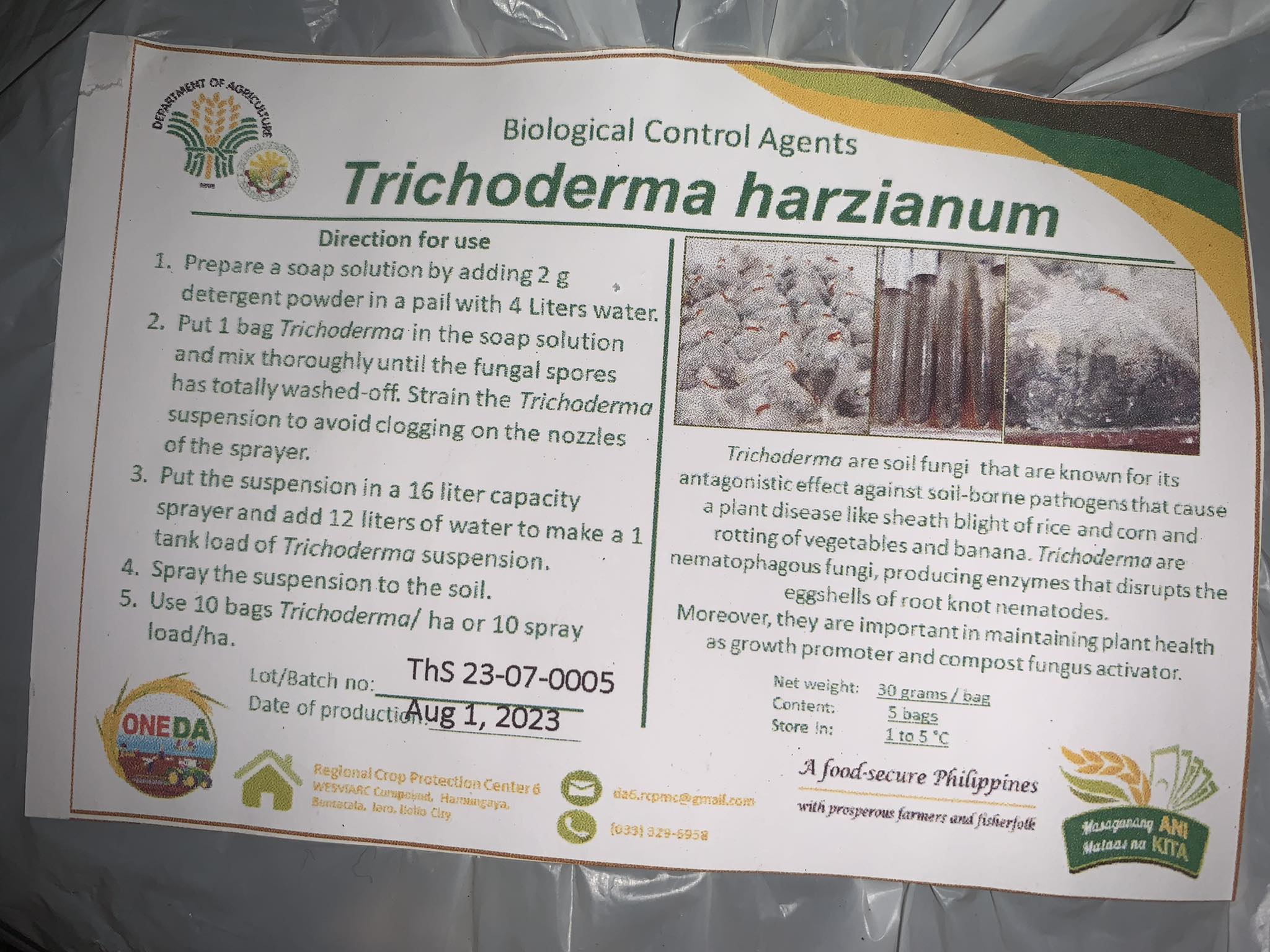
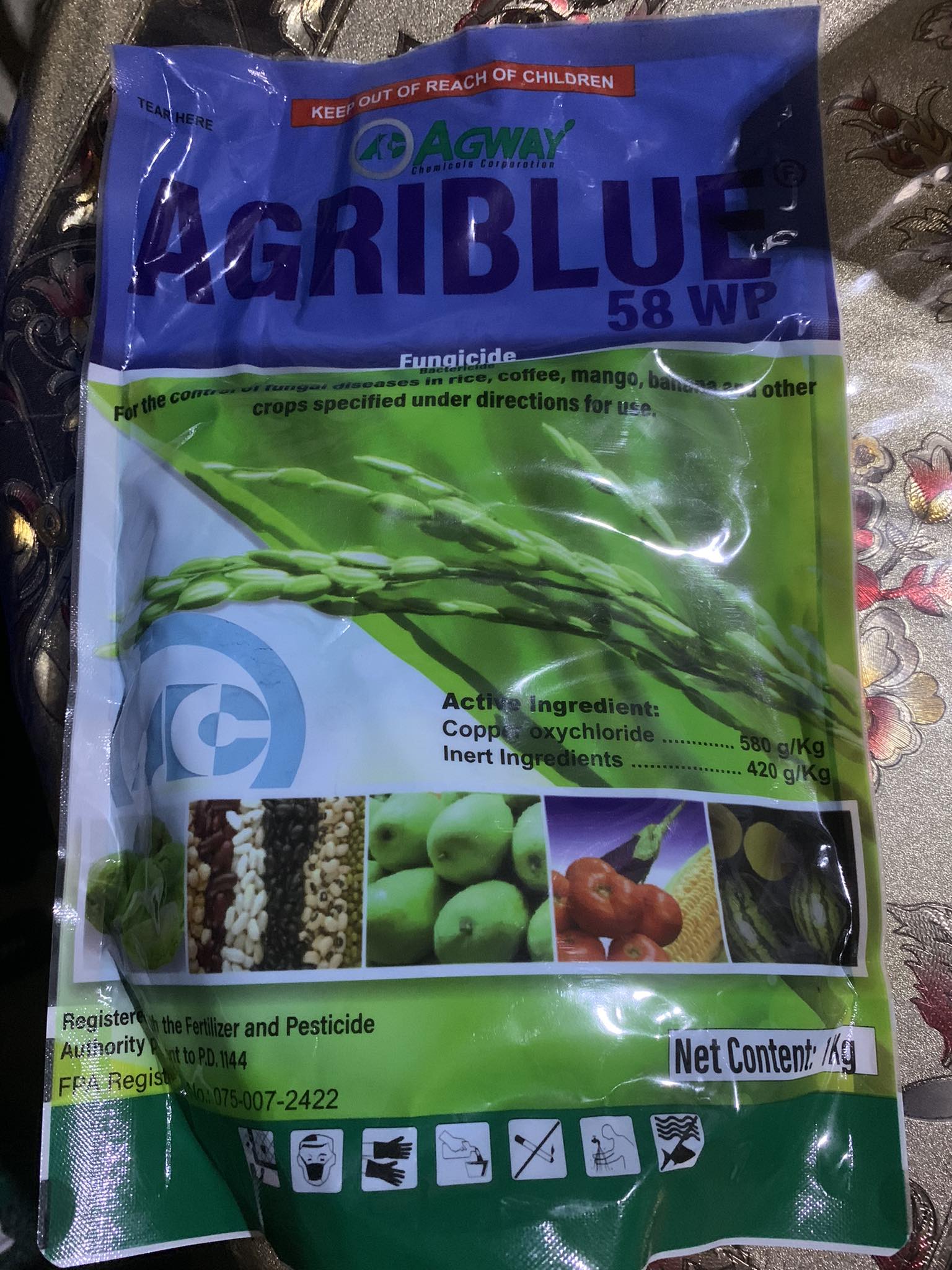
They have learned to differentiate between pests and fungi attacking their plants and have adjusted to the correct timing on when to use pesticides and when to use fungicides. They are also learning how to continue making their own organic pesticides from neem trees, nitrogen fertilizers from madre de cacao, and calphos from eggshells and banana peels.
So far, we have added all the harvests they had sold at market price, and it was only P12,500 as of last week. Still not enough to cover all their seed expenses. But then only one or two plots are bearing fruit currently. They have more than 20 plots planted. The students are aware of the ‘expenses vs income’ and are all willing to continue monitoring their vegetable plots until they finish this project. They are looking for another month for them to realize their harvests.
So with this twelfth-week report, we will culminate the project at this time with a last exam, as there will be nothing to report until all the harvest is finished mid to the end of next month. We are looking forward to their graduation in mid-December, before Christmas.
This is our twelfth and final Mabuhay Agritech project report. The next report will be at their graduation in December. Photos will follow.
Very sincerely yours,
(Sgd) Zonia Velasco
Mabuhay Fellowship

 Mabuhay Fellowship