Eleventh Week Report: Mabuhay Agritech Ministry, Iloilo, Philippines – November 5, 2023
The Mabuhay Agritech mission project continues in Sitio Bitin, Barrio Janipaan Oeste, New Lucena, Iloilo.
The students continue the following activities daily:
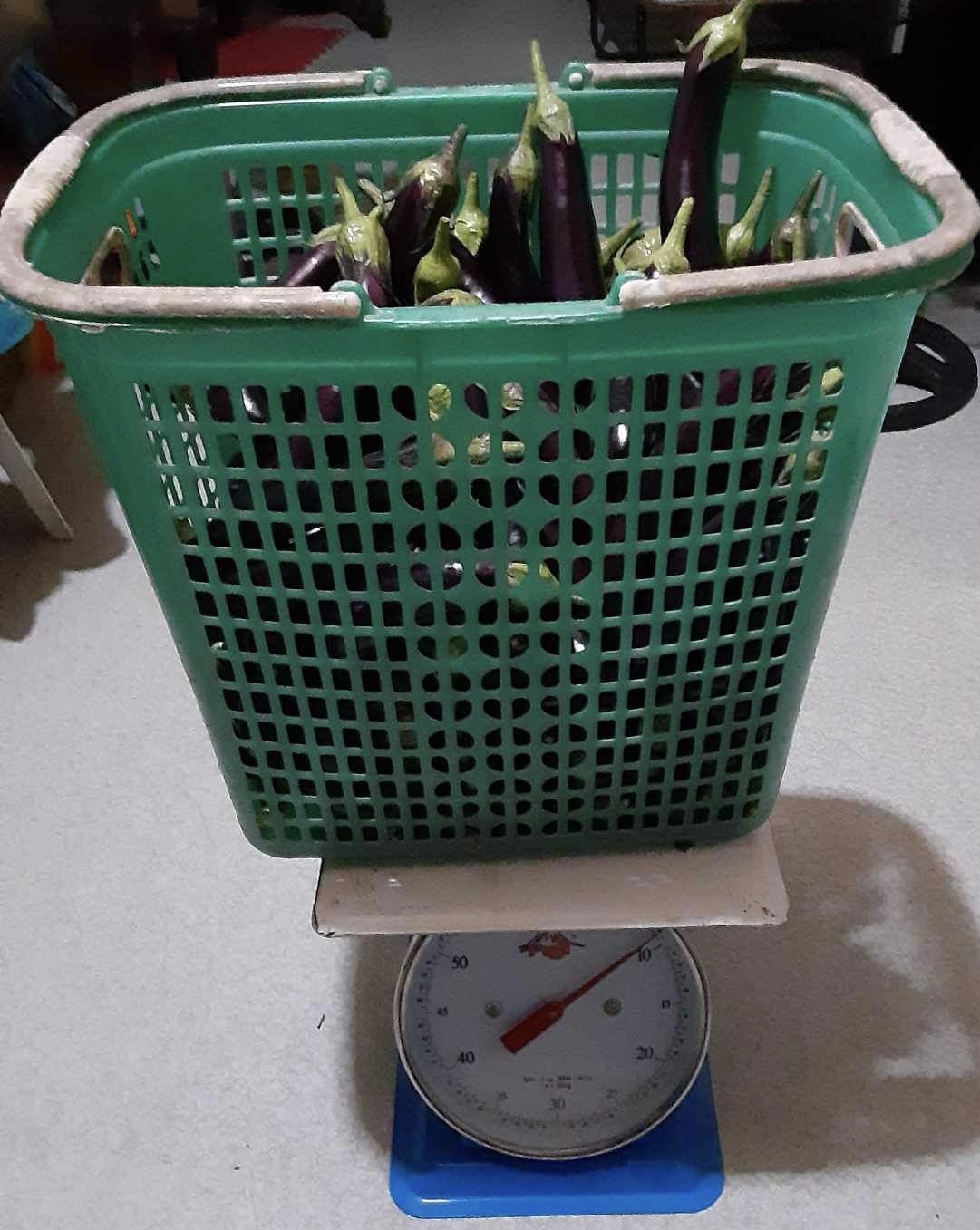
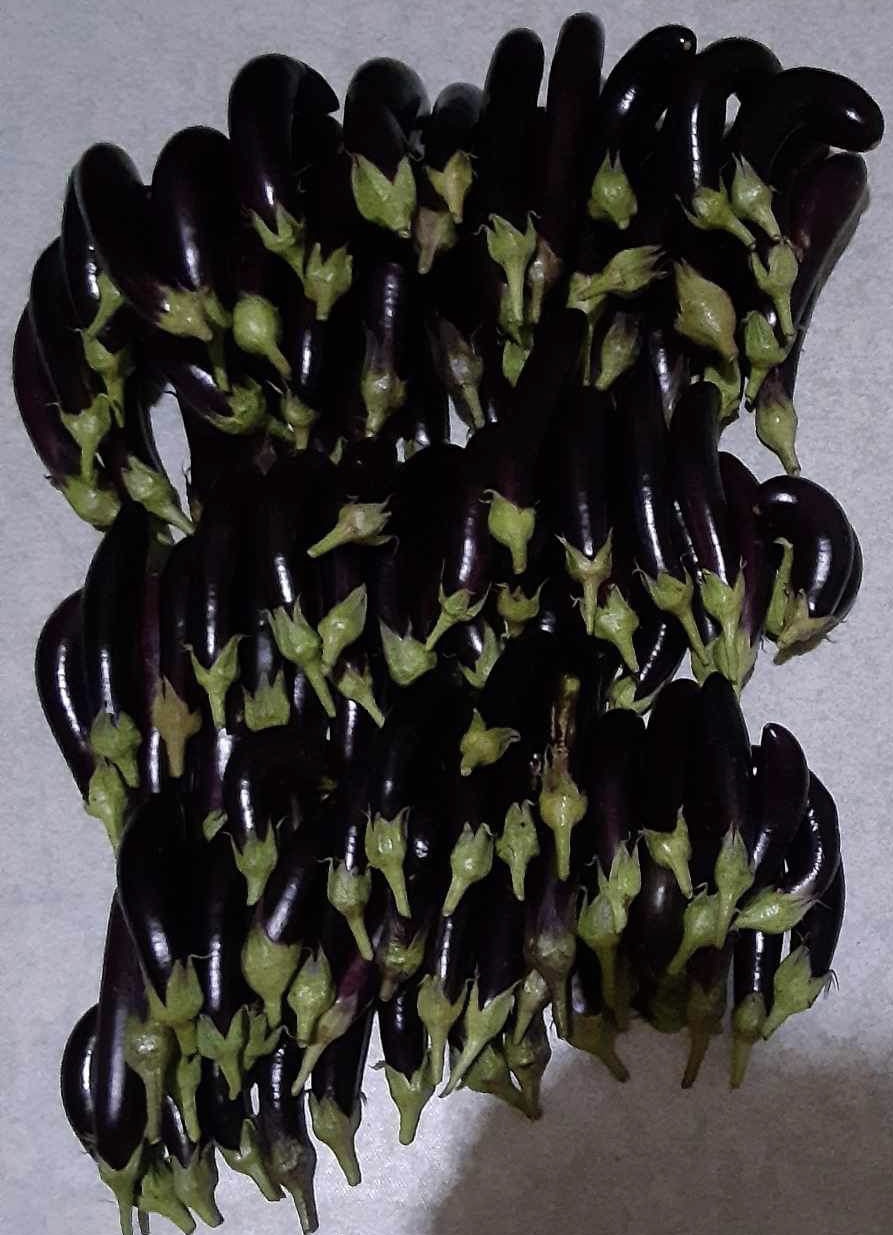
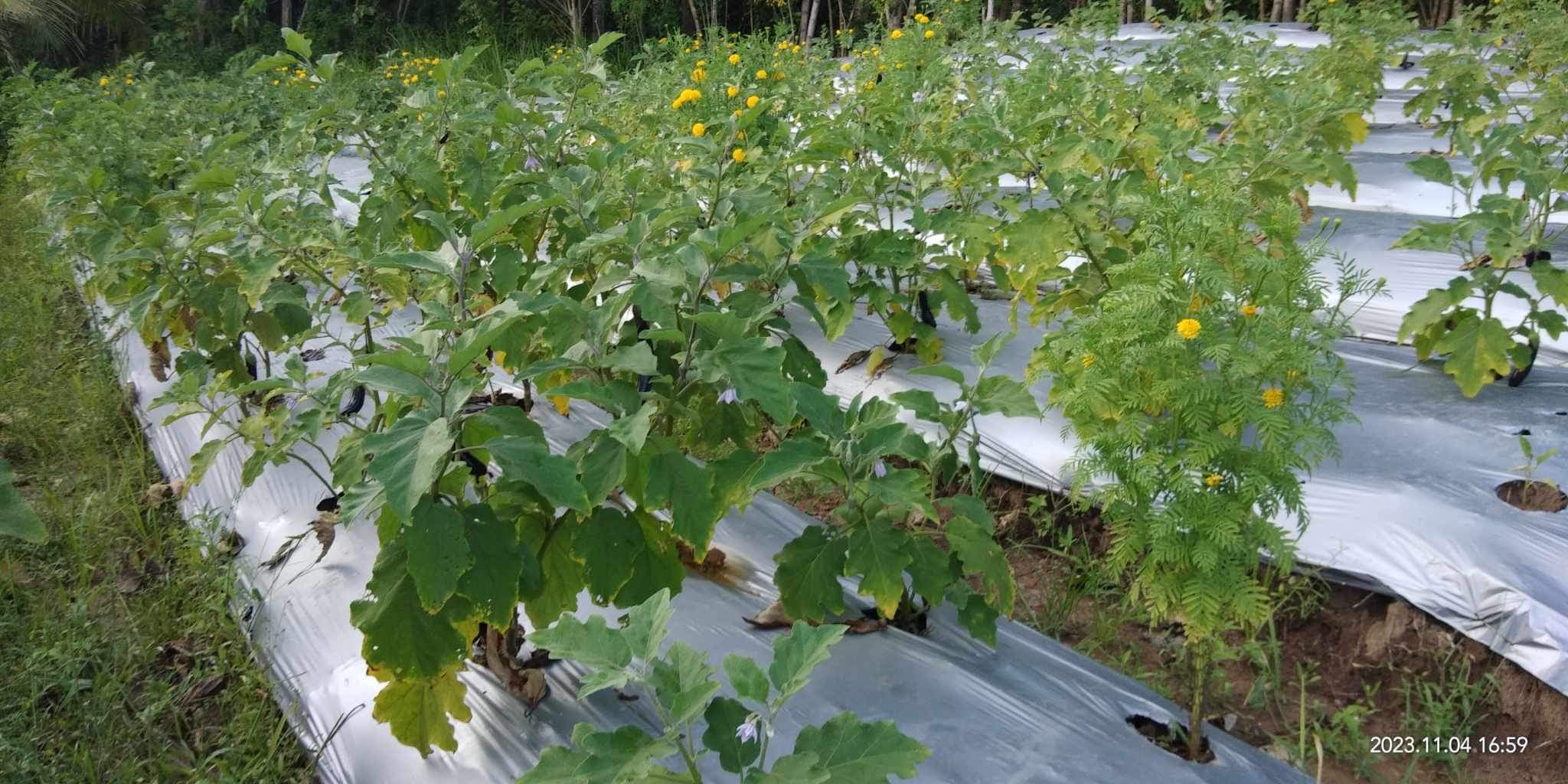
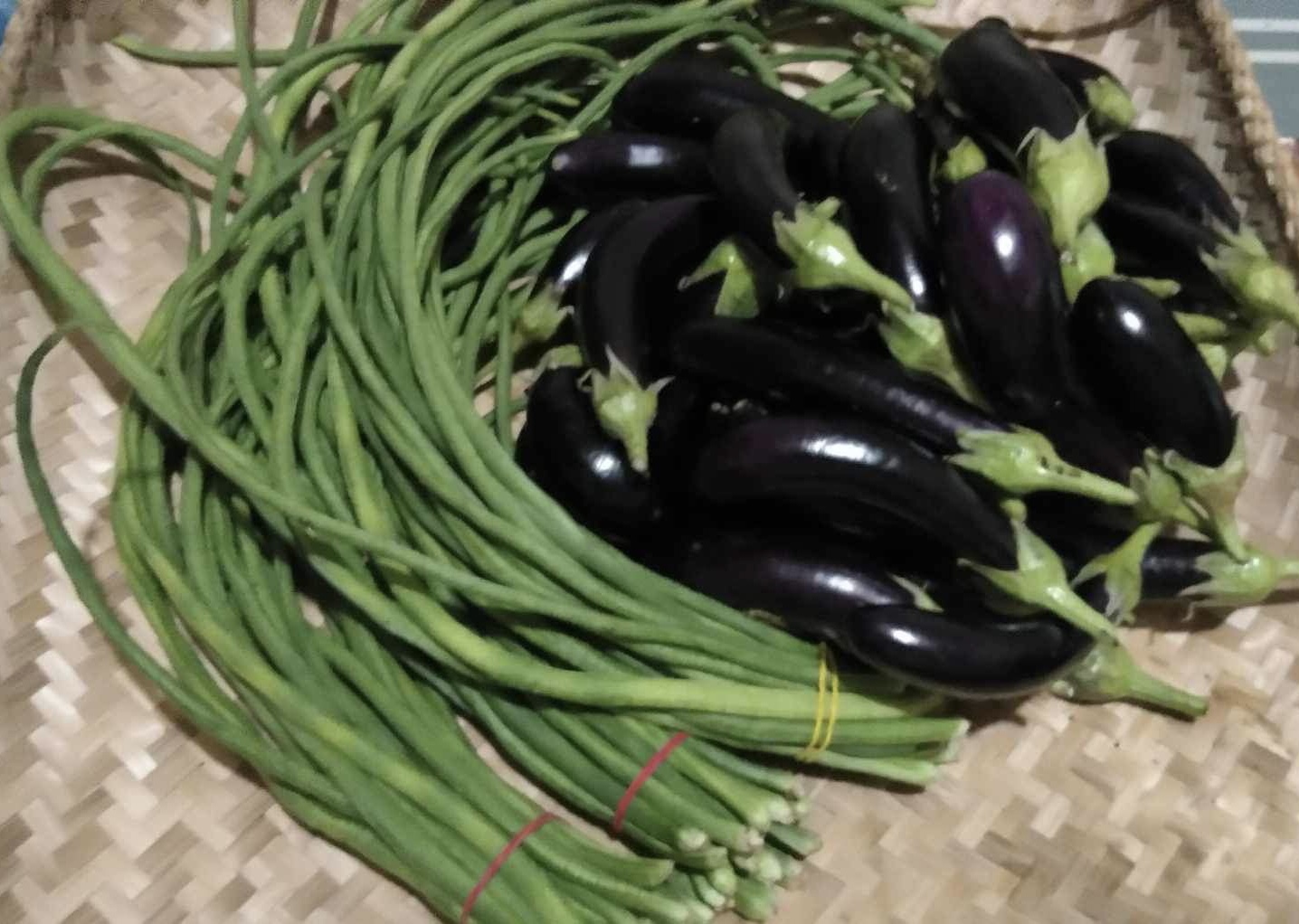
All class lectures are finished. They are now starting to harvest from the early crops they planted. They have eggplants, tomatoes, bitter gourd, pole beans, etc.
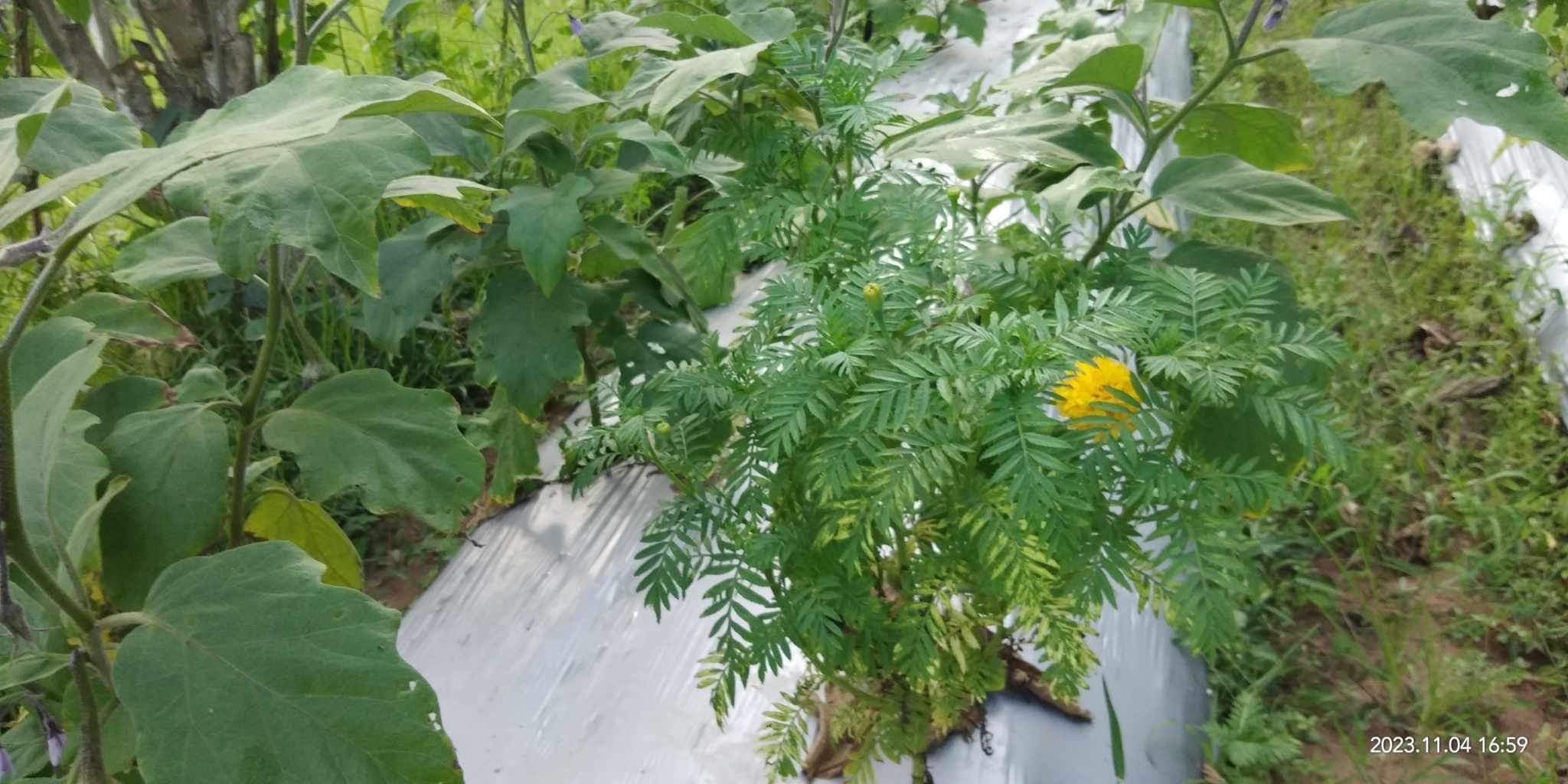
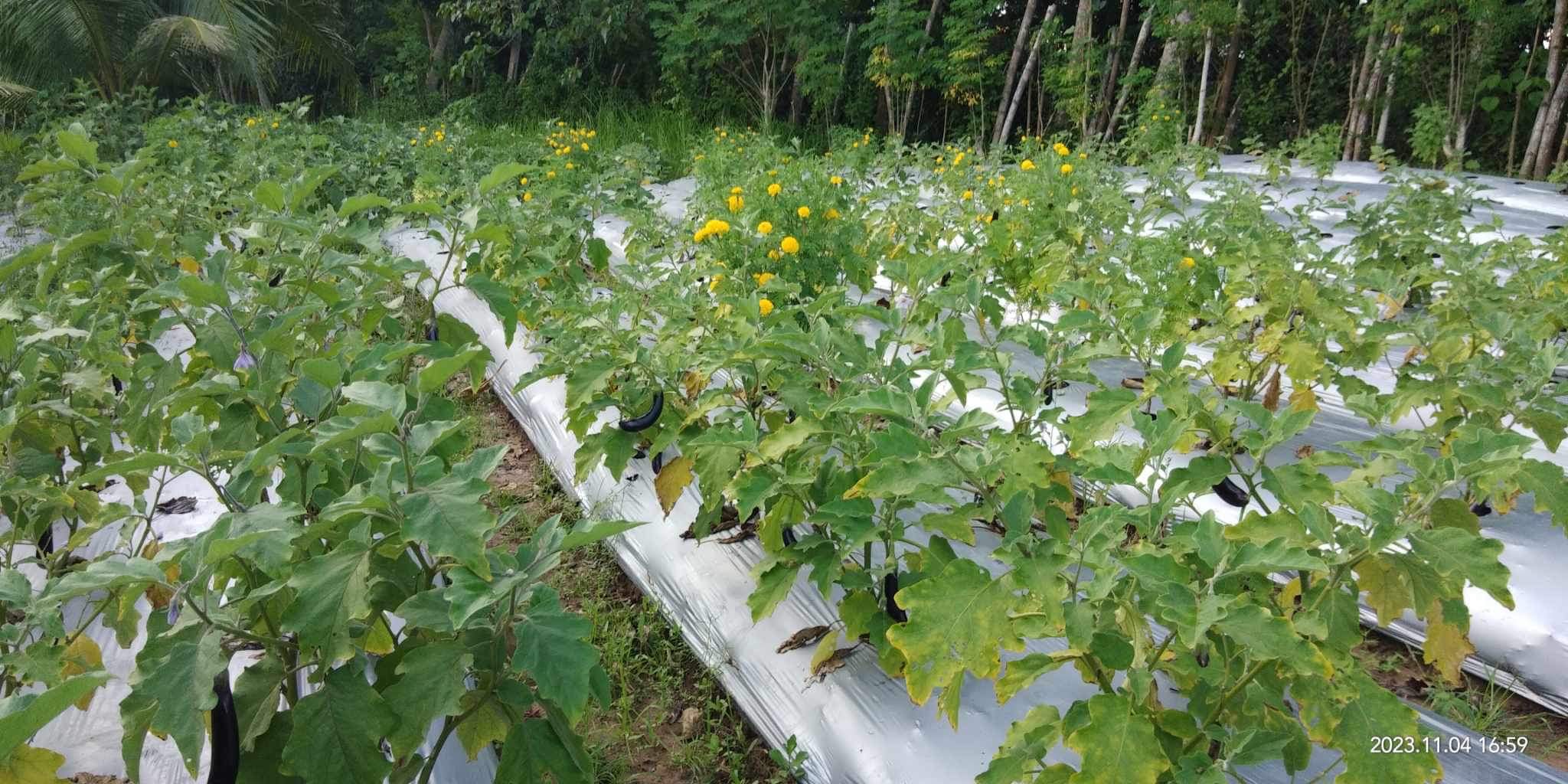
They continue to inspect their plots every day and use their baking soda sprays for bugs they see. They usually see aphids and slugs and they spray their fruits just to make sure the insect borers will not attack them. They have observed that the flying pests that they normally see are not as much, and attribute these to the companion plants they have of marigolds, citronella, and lemon grass bushes.
They continue to make their own organic concoctions for fertilizers and pesticides from some ingredients they source from what’s available on the farm like madre de cacao, and neem trees. They also make their own calphos (calcium-phosphorus) from eggshells and banana peels.
Vermicompost plots are fed with shredded banana stalks. They are starting to harvest compost and use these for their germination beds. They also make vermitea from them to water their plants.
They only worked 5 days a week this week because of the All Souls Day where it was tradition to clean the cemetery plots of their ancestors and stand vigil the whole day in the cemetery with their families. The day before is spent cleaning and repainting of the tombs white while the women start making food for the following day. Then on All Souls Day, they are out there in the cemetery with their families, spending the day, offering fresh flowers, lighting candles, with prayers for the dead, eating together, and recounting their best memories of the departed. This is a tradition that is observed in all parts of the Philippines on All Souls Day.
The water reservoir pond 2 which we have planted with lotus is not as muddy looking as it used to be. The lotus seems to be doing the trick. They did place some tilapia fish fingerlings in the pond to help control mosquito larvae that could be in the pond. We still have dengue in the locality, and all sources of standing water are being treated. It has been raining almost every night, so the reservoir pond is kept full by the rainwater flowing downhill. This is their water source during the day to water their vegetable plots.
Tree Planting: Coconuts, cacao, and coffee. We are still planting banana saplings to act as shade to these young trees, but we are also looking for more coconut trees that could shade them when they grow and mature. The Department of Agriculture is suggesting the combination of COCOCAO, triple trees planted and intercropped together: Coconut, coffee, and cacao. All are 100-year-old trees.
Other trees we have that are growing well are the avocado and bignay trees. We have fuji apple trees, and they are getting taller. We have a citrus area, but they think the pomelo in this area is being attacked by fungi also. The bananas are also being attacked by fungi, so we will ask the Department of Agriculture’s help to thwart this problem. They gave us Trichoderma, Isarea, and copper treatments before. We will ask again.
Vegetable Gardens. The 7 new plots they completed and covered with mulch last week, have now been planted with the tomatoes that came from the US. These are bigger types of tomatoes. The tomatoes they had planted there were cherry tomatoes, not their choice, but because they were the only available seeds when we bought them.
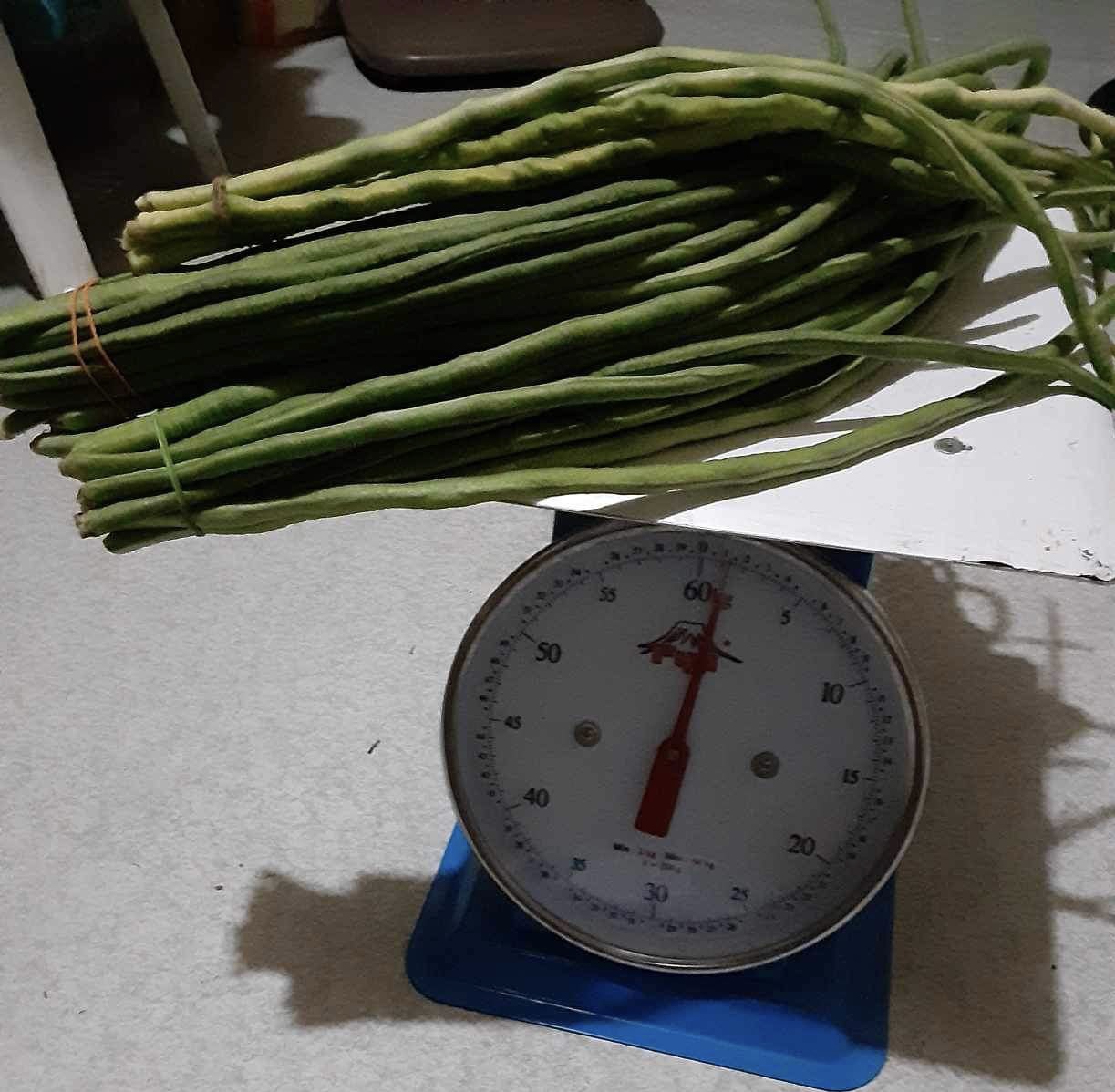
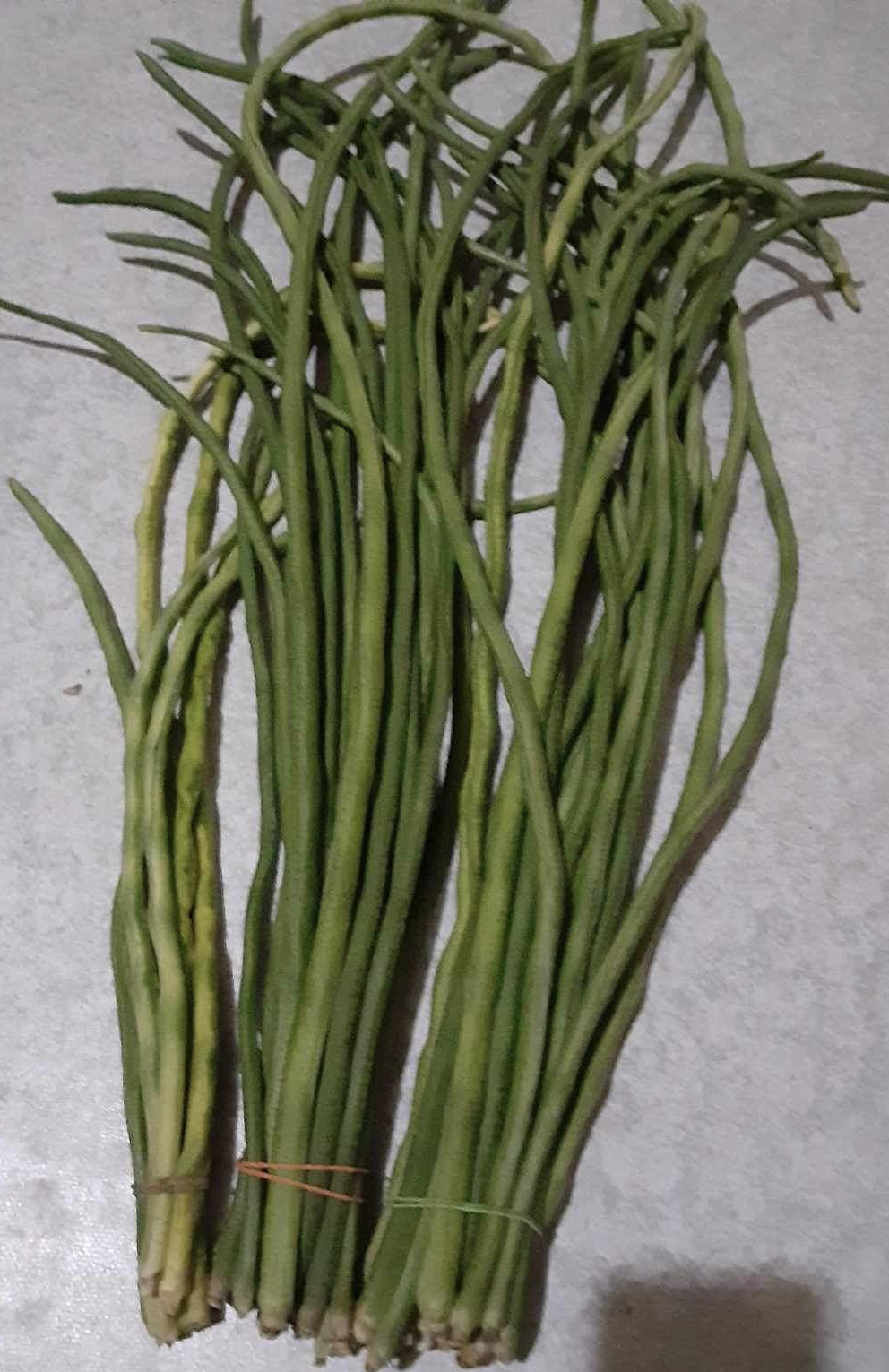
Okra and other vine vegetables are still growing. The squash is looking healthy as it creeps on the ground, but no fruits yet. We did harvest some ampalaya (bitter gourd) and pole beans, but we are still waiting for the other vegetables to fruit.
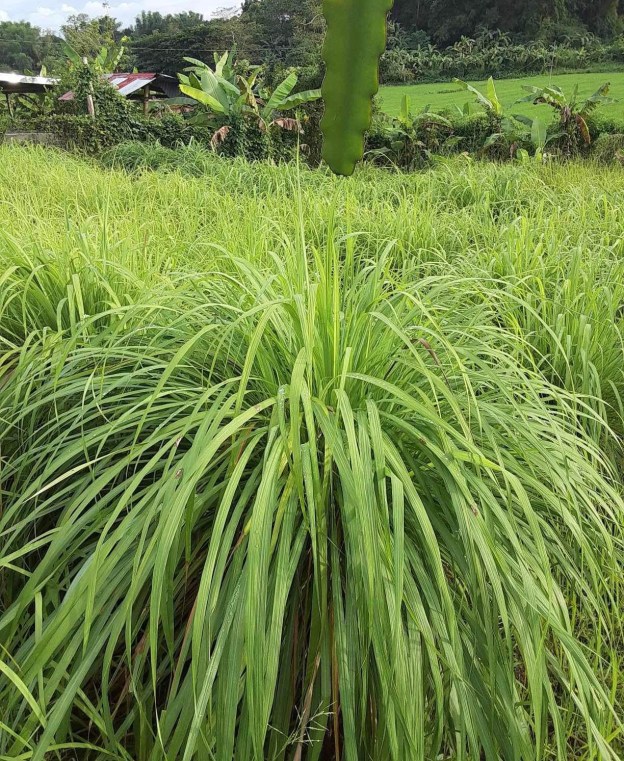
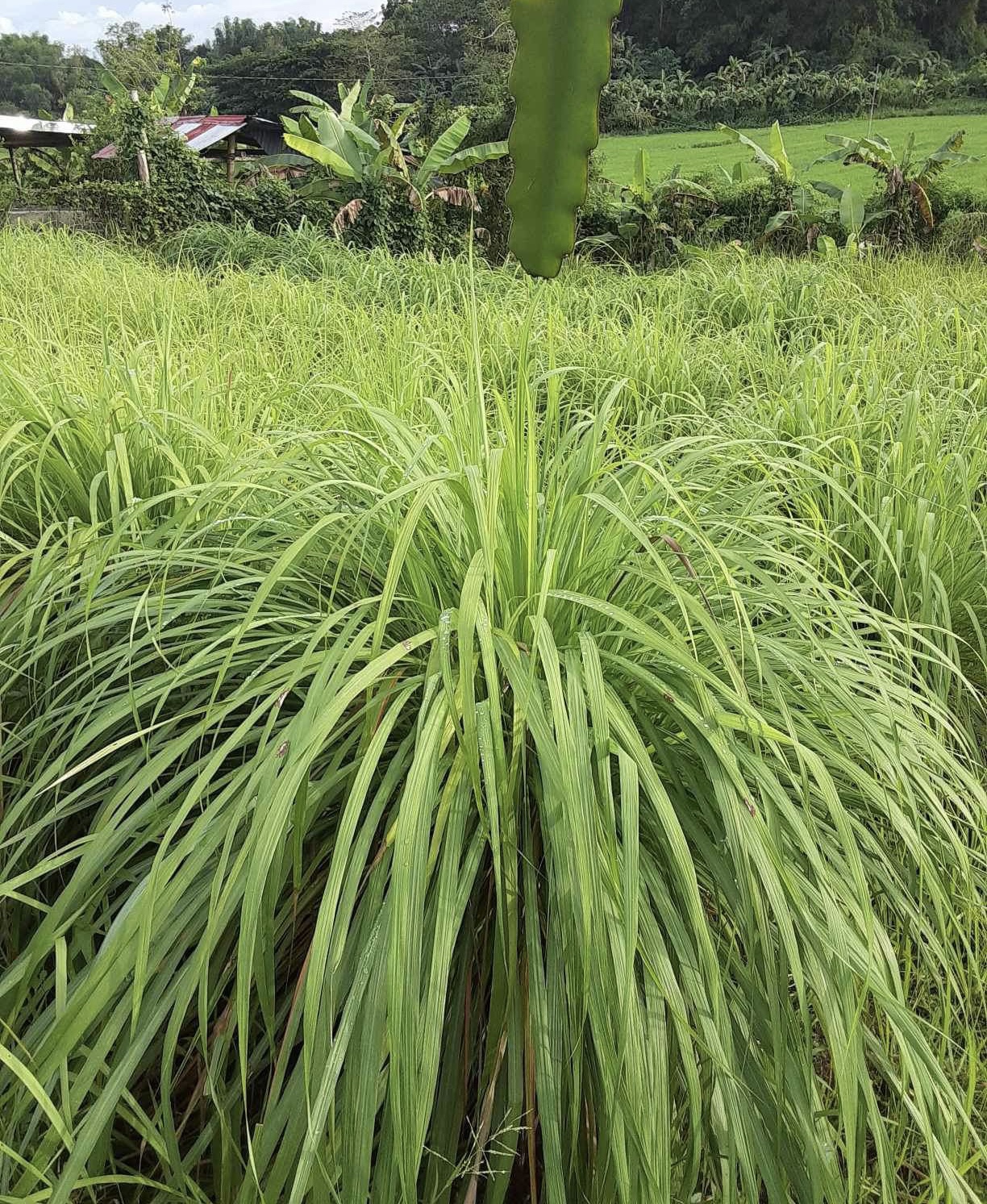
Companion plants and herbs. Somehow, the students thought these were not that important so they did not plant them together with the vegetables. They say they are planting them now but are slow in germinating. I have sent them seeds for rosemary, basil, and chamomile. They do have some marigolds, citronella, and lemon grass are known to help control bugs, pests, mosquitoes, flies, etc. They seem to work as we have fewer pests flying around, but because of the number of vegetable plots that have been made, we need to plant some more. Lemon grass is used as a spice for cooking and is especially good to put in the cavities of roasted fowl and lechon pig. It is also used for boiled chicken soup, etc. Citronella grass could be cut into short pieces and cooked with coconut oil or olive oil and can be used to deter mosquitoes and other pests, as well as snakes.
They continue to find catfish, mudfish, and a small type of fish that are in the shallow water of the rice fields now. They are now also finding edible small snails (like escargot) that they could gather for cooking. 5 years ago, the tenants who leased the rice land had been using heavy chemical fertilizers and pesticides. They thought this Western way was progress. But the land has declined and become barren, and it was only about 4 years ago that we started to forbid anything but organic practices. This rice field is in a natural depression about 15 feet lower than the hills that are on each side. It is fed by rainwater from upstream during the rainy season. The whole area, including all the farms upstream, has used heavy chemical fertilizers and pesticides in the past. This has not only lowered their harvest yield through the years but also the waterspouts that we used to have in the fields disappeared. All the incidental catfish, mudfish, and other small fish that they fished out from the wet rice fields had disappeared since also. We have improved this land now, because of our organic practices. Neighborhood farm areas are noticing what we are doing organically to the land, and are starting to ask questions and are following suit.
This is our eleventh Mabuhay Agritech project report. Photos will follow.
Very sincerely yours,
(Sgd) Zonia Velasco
Mabuhay Fellowship
 Mabuhay Fellowship