Sixth Week Report – Mabuhay Agritech Ministry Program, Iloilo, Philippines
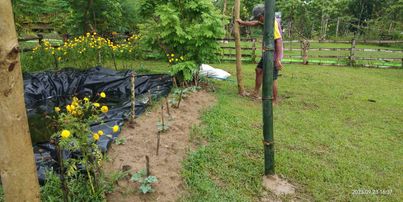
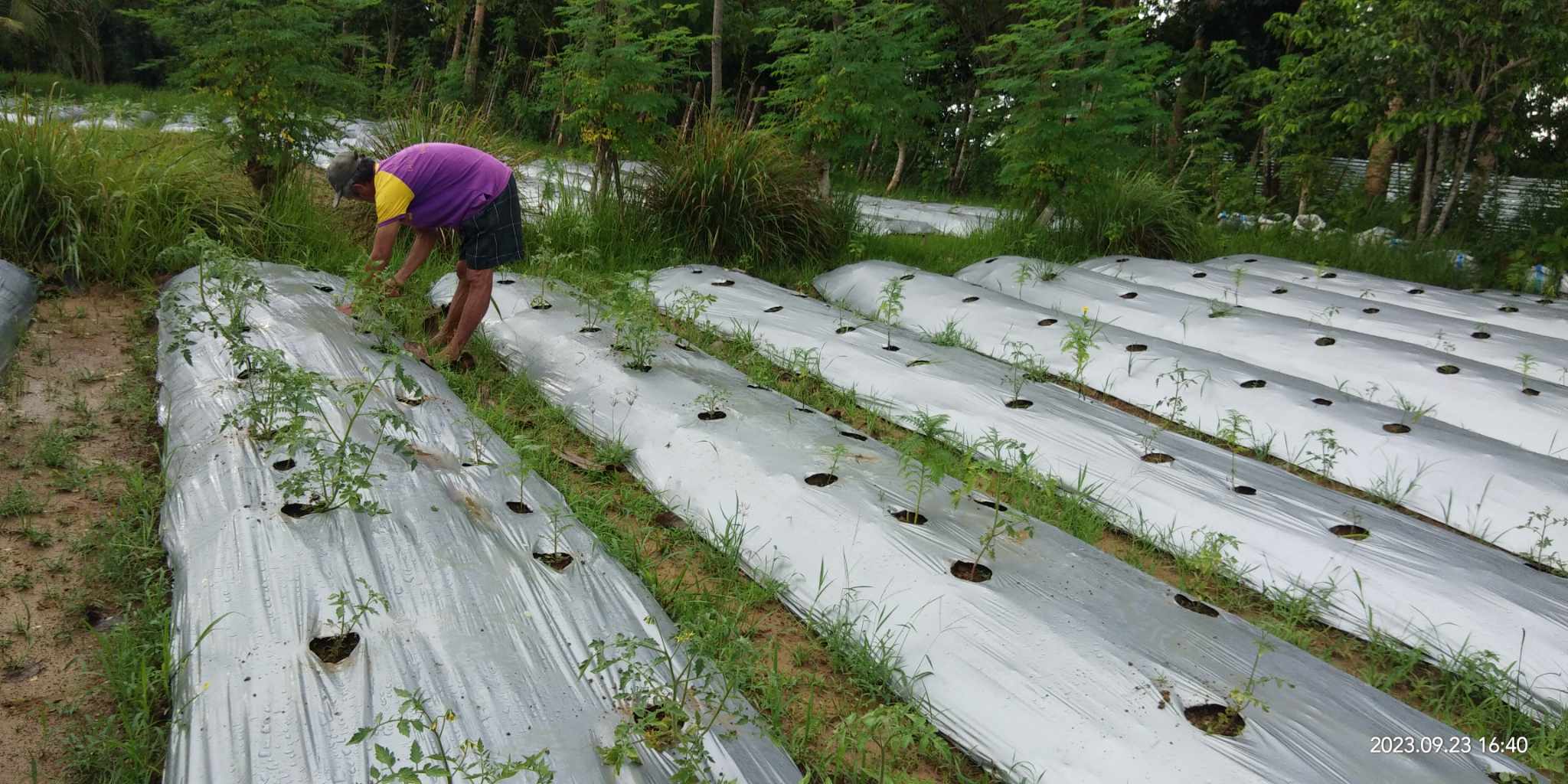
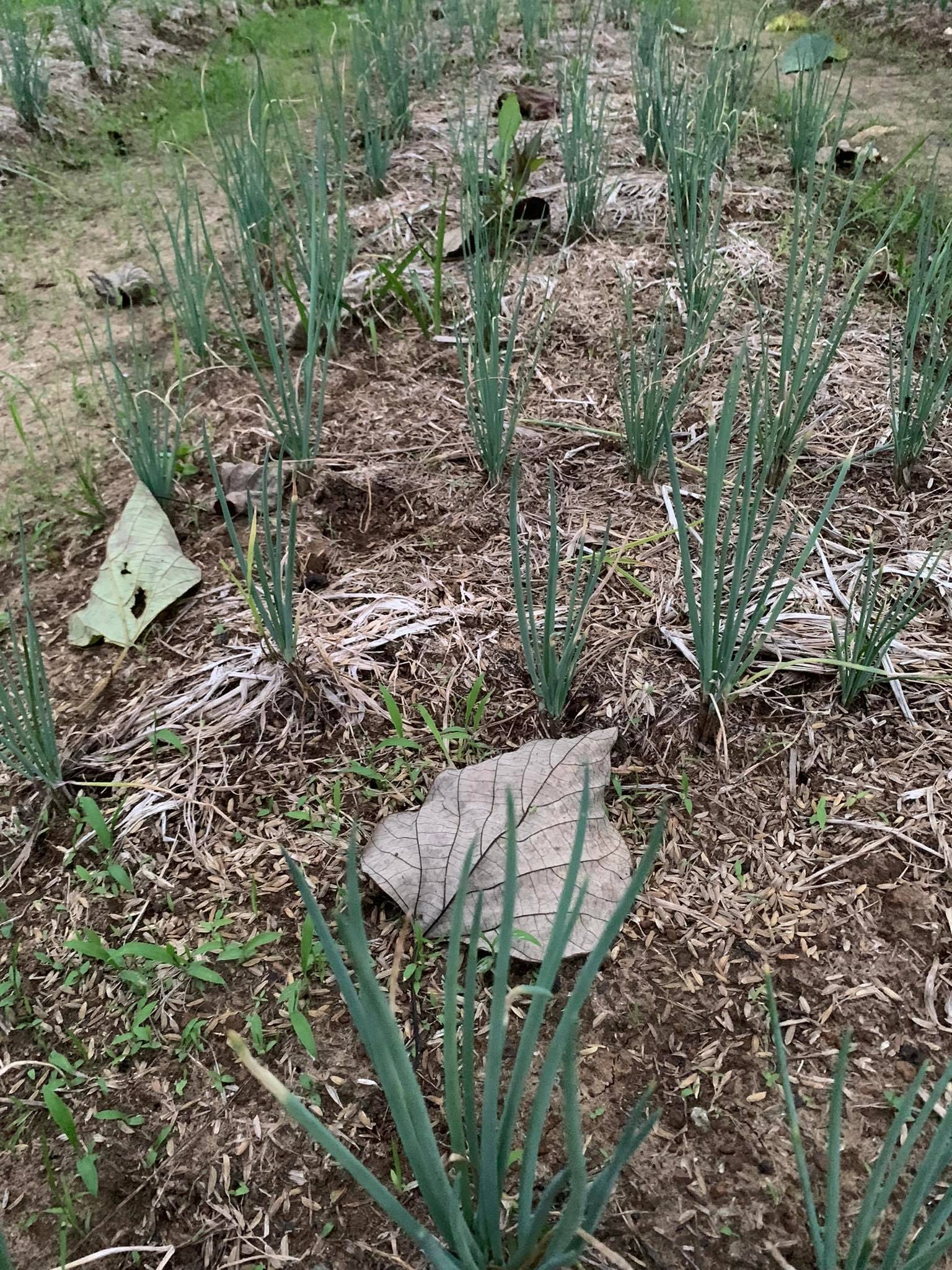
Our students continue to work on their garden plots, weeding, tilling the soil around, germinating new seeds, and transplanting them to their plots. They continue to test their soil and use additives to improve the pH levels.
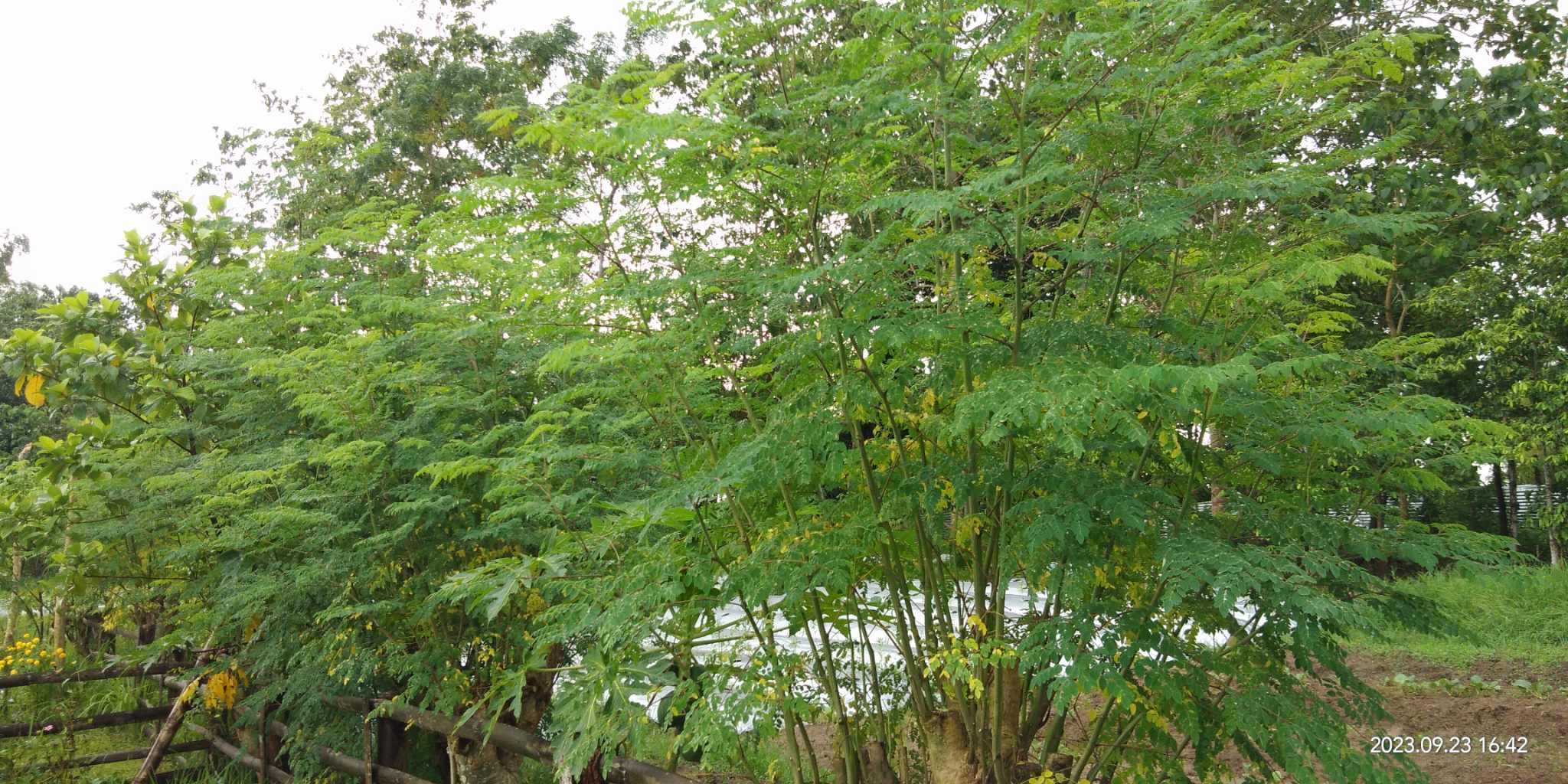
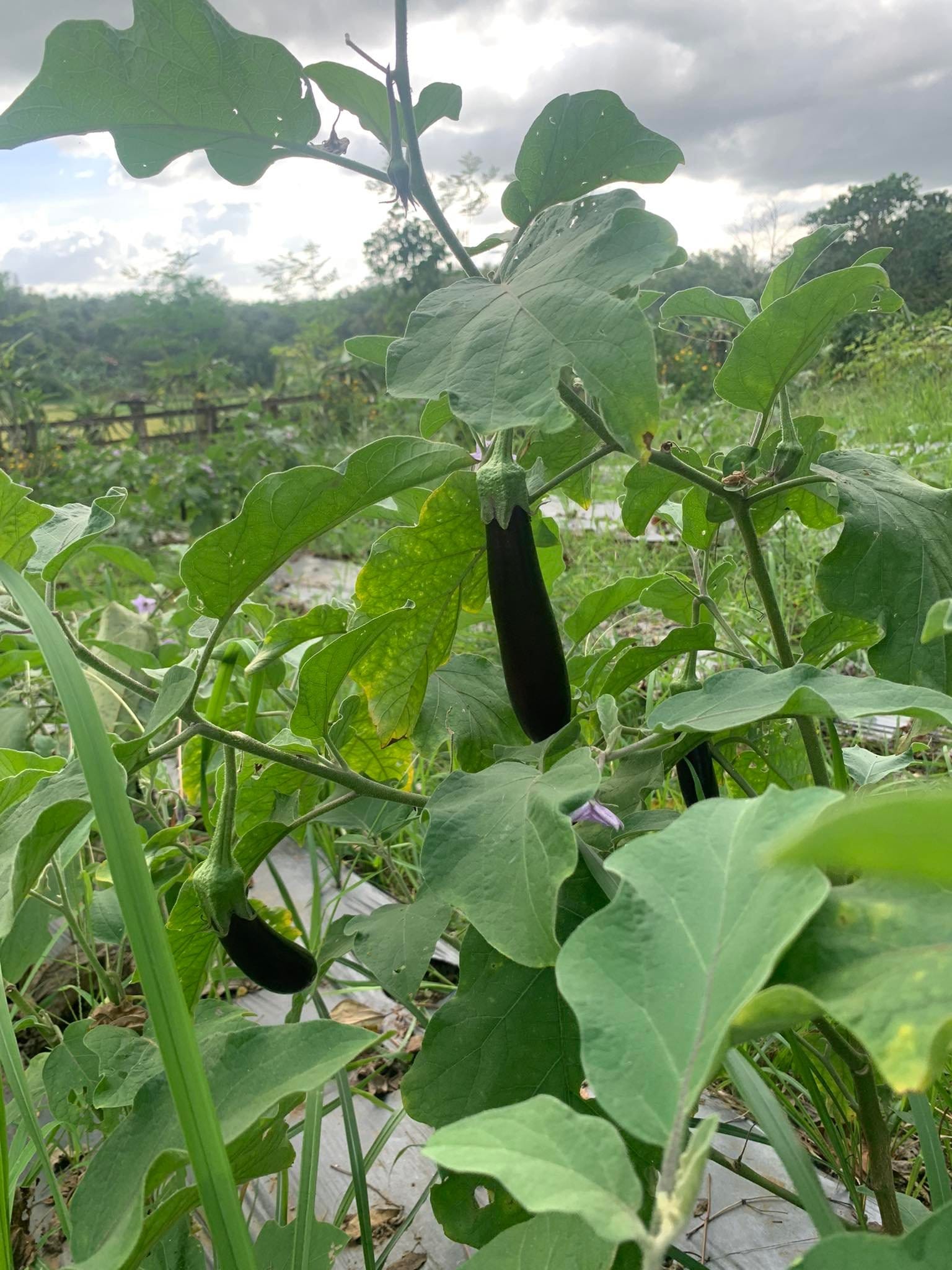
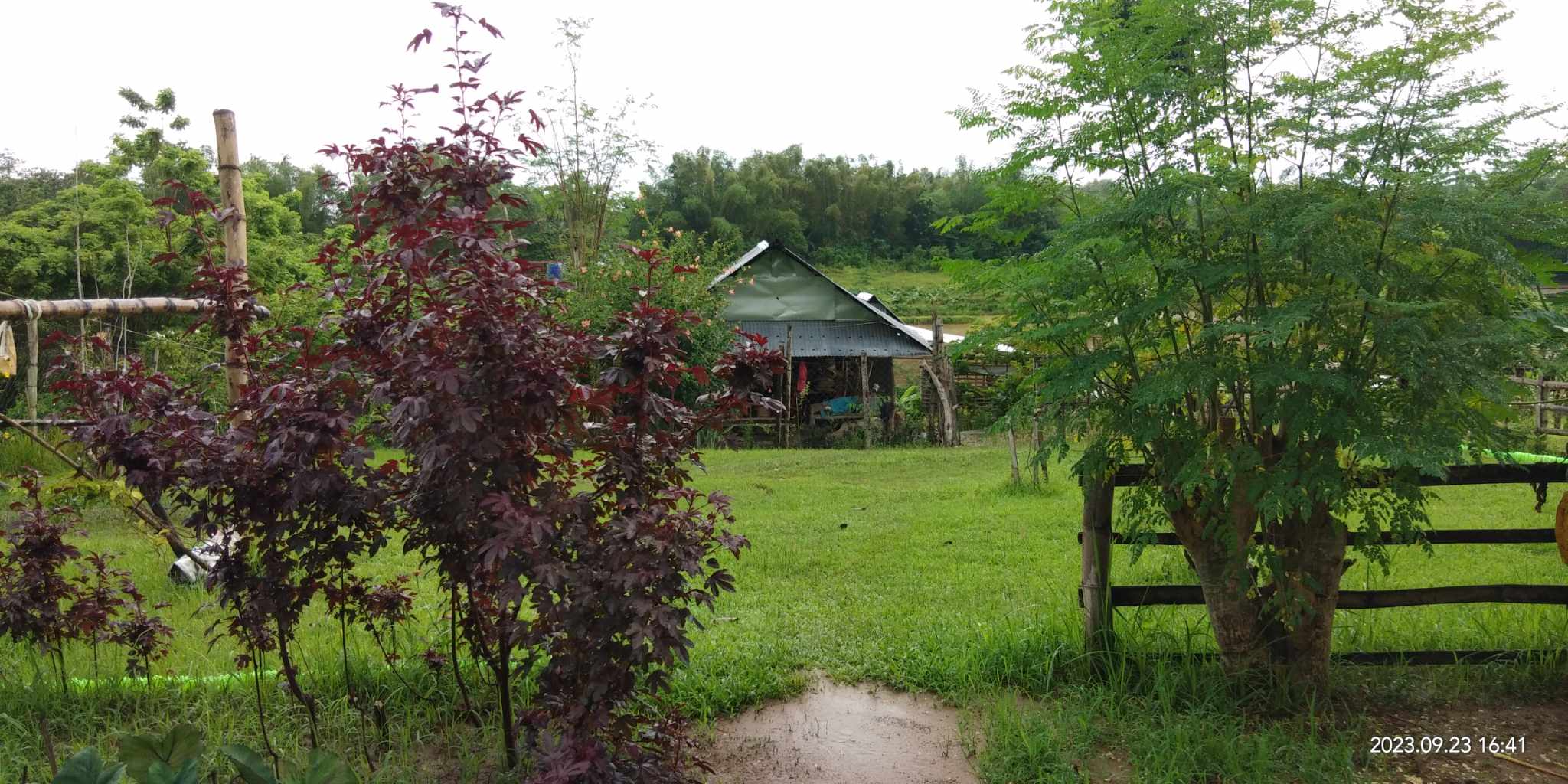
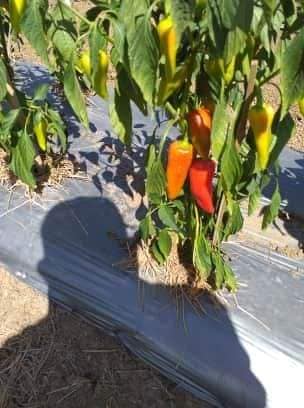
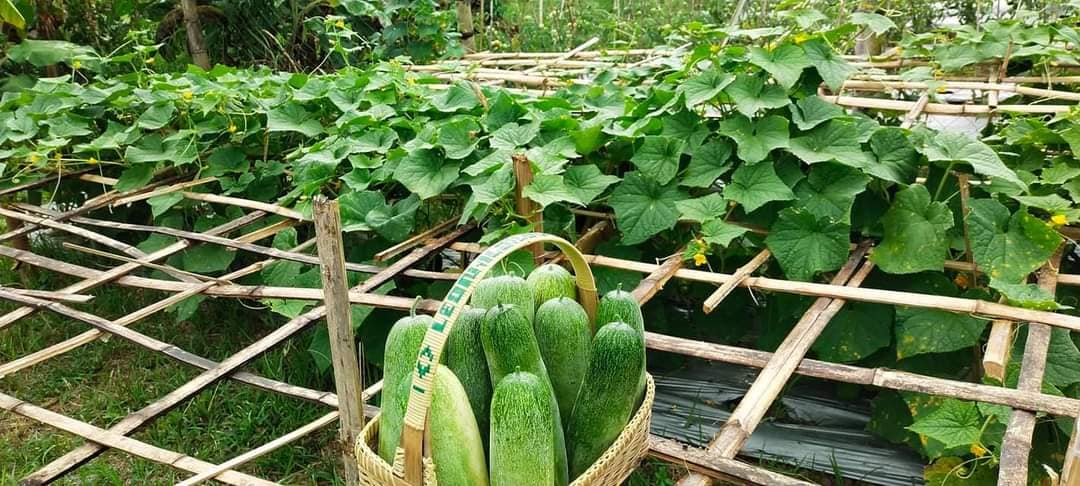
They have planted tomatoes, eggplants, okra, peppers, etc. For vine crops, they have cucumbers, bitter melon, patola gourd, and native pumpkins. For ground crops, they have taro and sweet potatoes. They have also planted some pineapple. For trees, we have sourced cacao, robusta coffee, coconuts, rambutan, and a local tree called batuan, which fruit is used in cooking sour soup. They have also cut some moringa tree stems, rooted them, and planted them around the farm. We have more than 100 moringa trees growing. Our goal is 1000.
One of the things they have neglected to do is plant more companion plants like marigolds, and lemon grass in their plots to protect their vegetables from harmful insects and pests. They now each have a sprayer filled with baking soda mixture to spray on their vegetables to control pests. They are learning about pollinator beds, and companion planting, and are now busy planting beneficial flowers to fill their pollinator beds, which will attract pollinators like bees, and butterflies to help pollinate their vegetable flowers.
Zonia attended a conference in Oklahoma last week to learn about the urgency of planting vegetation and flowering plants for pollinators. She also learned about butterfly farming and the feasibility of adding this to the attraction elements of the farm, as it is very complementary. She also sourced places in Metro Manila where multiple butterfly pupae that are endemic to the area could be bought to bring to Iloilo. Monarchs are also some of the butterflies that are endemic to the Philippines. We could start many pollinator beds on the farm already and fill them up with perennial and annual flowers as well as other plants for the butterfly caterpillars to eat. In other words, we could already start creating a habitat for pollinators.
Lotus Ponds 1 and 2. These were dug as water reservoir areas, lotus pond 1 being 3 years old now. Both are only 4’x 4’ x 3’ depth. Intended to be shallow so as to avoid drowning accidents. They are covered with pond laminate, and filled with water from the rain, or pumped from our wells at night. Pond number 2 became problematic when one of the farmers soaked rice seedlings there overnight. It became green with algae. So they were advised to put 2 tbs of Clorox into the water, but instead, they put the contents of the whole bottle. The following day, 2 dead frogs were floating on its surface. So this time they cleaned it again and used pails to bail out the water from the pond. They then cleaned its walls with just soap and is now clean enough. Rains at night is filling it up and is now half full. This time, they are putting in pots of lotus from Pond Number 1. Lotus affects murky water by clarifying it by its roots. In time, we will also put some tilapia fish in it to eat the remaining algae off its walls and control mosquito larvae also, as this is a dengue disease region, and mosquitoes carry dengue as well as malaria.
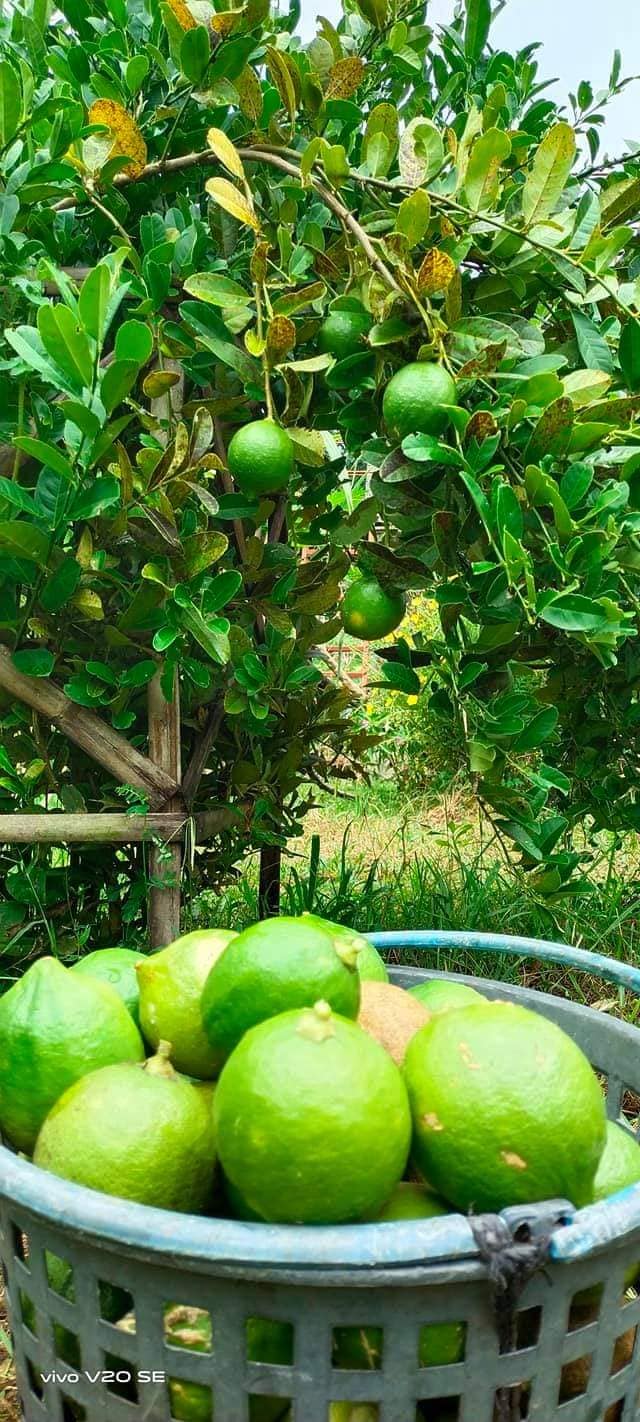
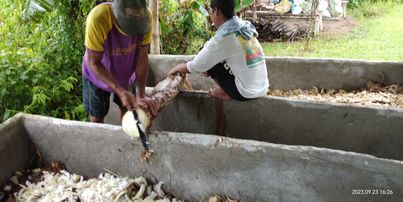
Vermicompost beds: we have six of them under a roofed area, and daily, the students scamper to feed them. We have local vermi-worms, but we also have the larger African worms that help make the process of composting go faster. They are fed both green and brown leaves, but chopped-up banana stalks are their favorite. There are citrus trees nearby so care is taken that the citrus leaves are not put into the beds as they are harmful and even fatal to the worms.
The students are also learning about fungi infections to their plants. We had anthracnose infection on the dragon fruit of the farm, and we have also noted them on the fruits of our bananas. About 10 days ago, we brought samples of our infected dragon fruit stems, including soil samples to the provincial Department of Agriculture laboratory. They are tasked with assisting farmers to diagnose and treat diseases to the plants in their farm. We knew we had rust fungus and anthracnose before but did not know there was government help. We had been treating our dragon fruit by cutting out the infected areas, burning them, and spraying them with hydrogen peroxide. The laboratory did not find any rust fungus anymore. Seems like what we did helped eradicate it. However, the anthracnose growth is strong. Anthracnose is identified as yellowish to light brown water-soaked areas forming on the surface of the stems and fruits of the dragon fruit. These lesions coalesce and cause watery soft spots. Rain and moist conditions bring them. Their spores are spread by wind, rain, insects, and infected garden tools. They grow in 75-85 degree temperatures. The conditions on our farm have been exactly what makes these fungi grow. Dragon fruit is not all they are attacking, as it is also attacking our bananas and mango trees, and could well spread to the vegetables the students are now growing. Entire fields of adjoining farms with dragon fruit have already been destroyed completely.
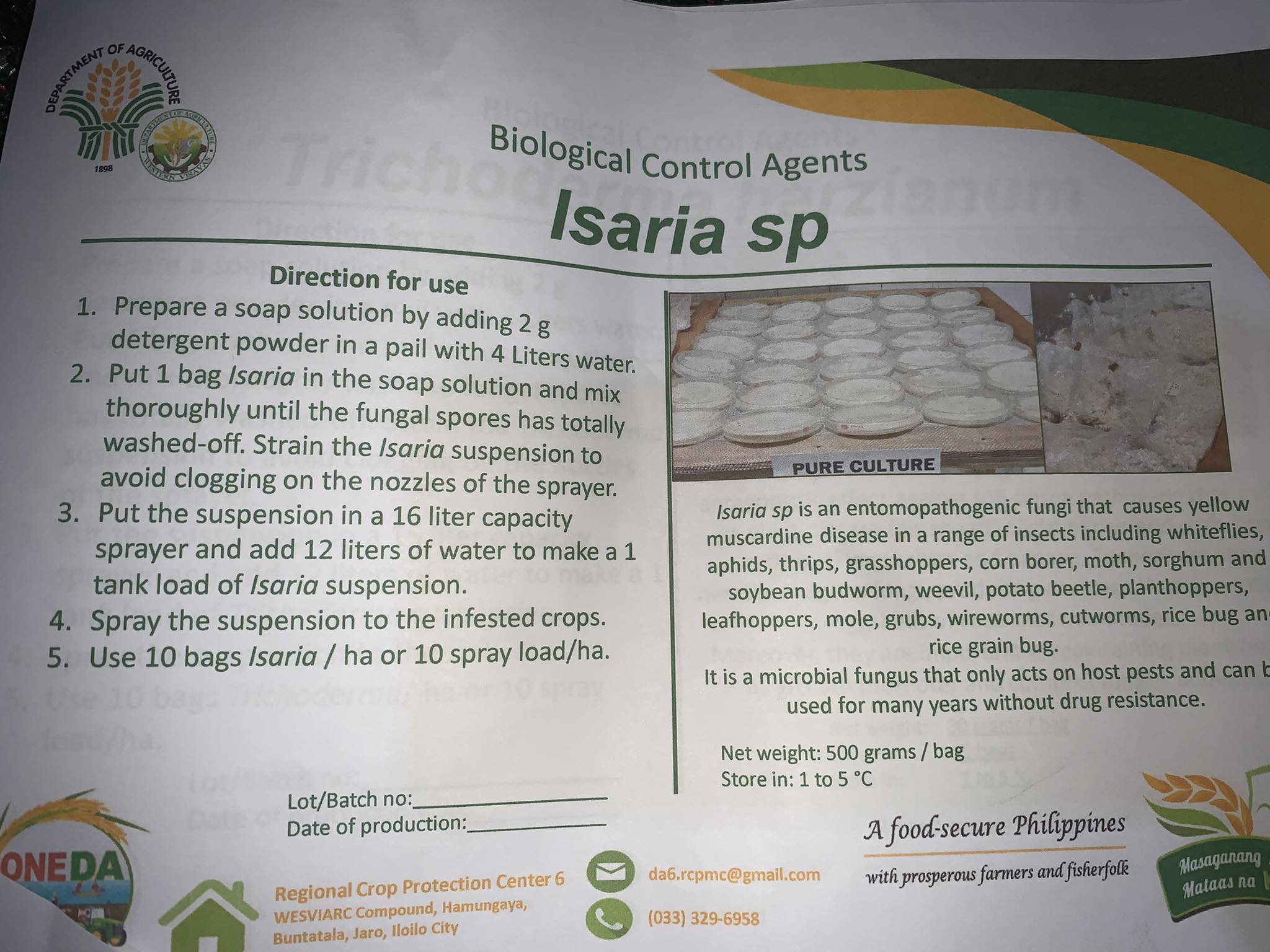
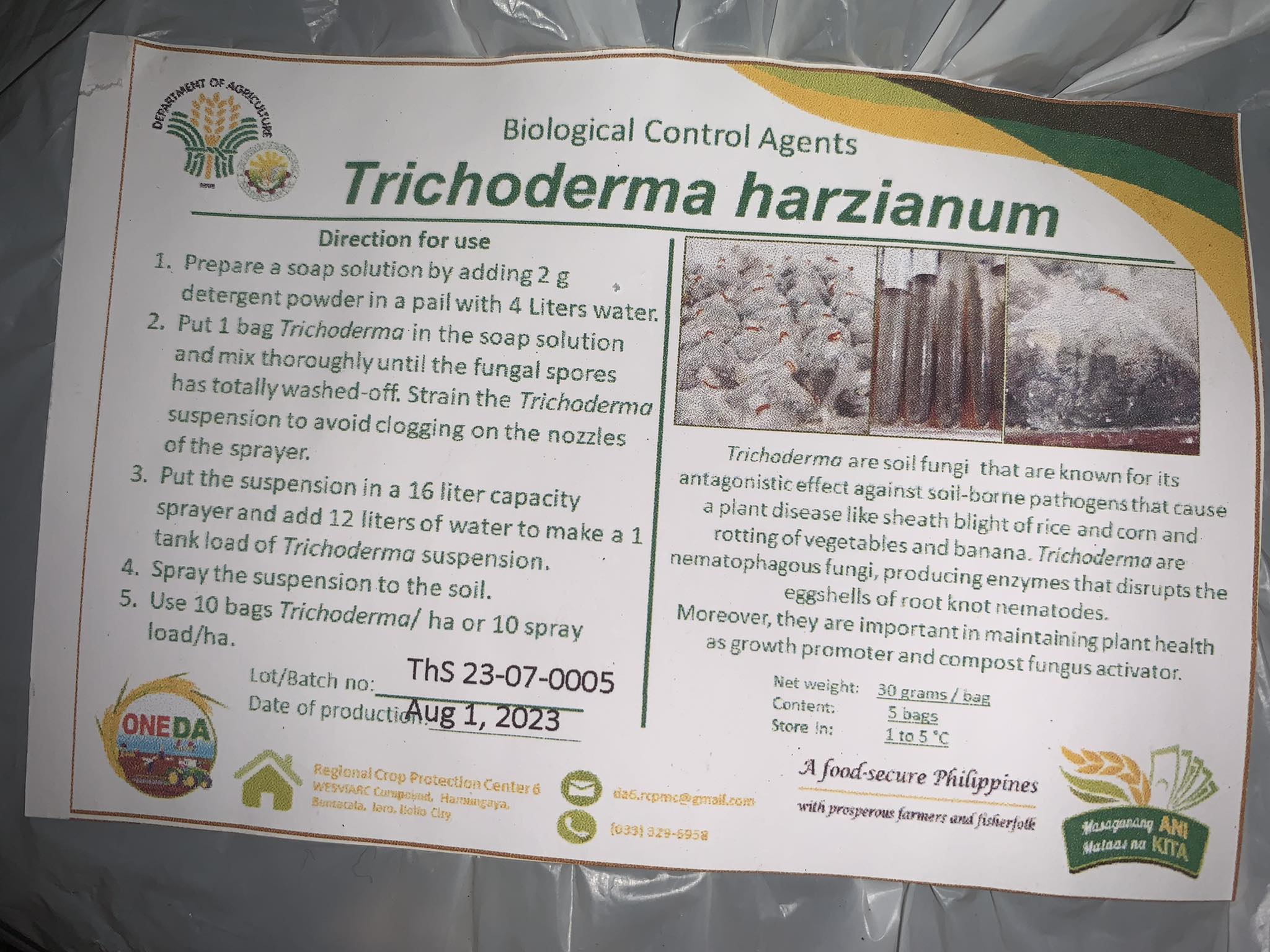
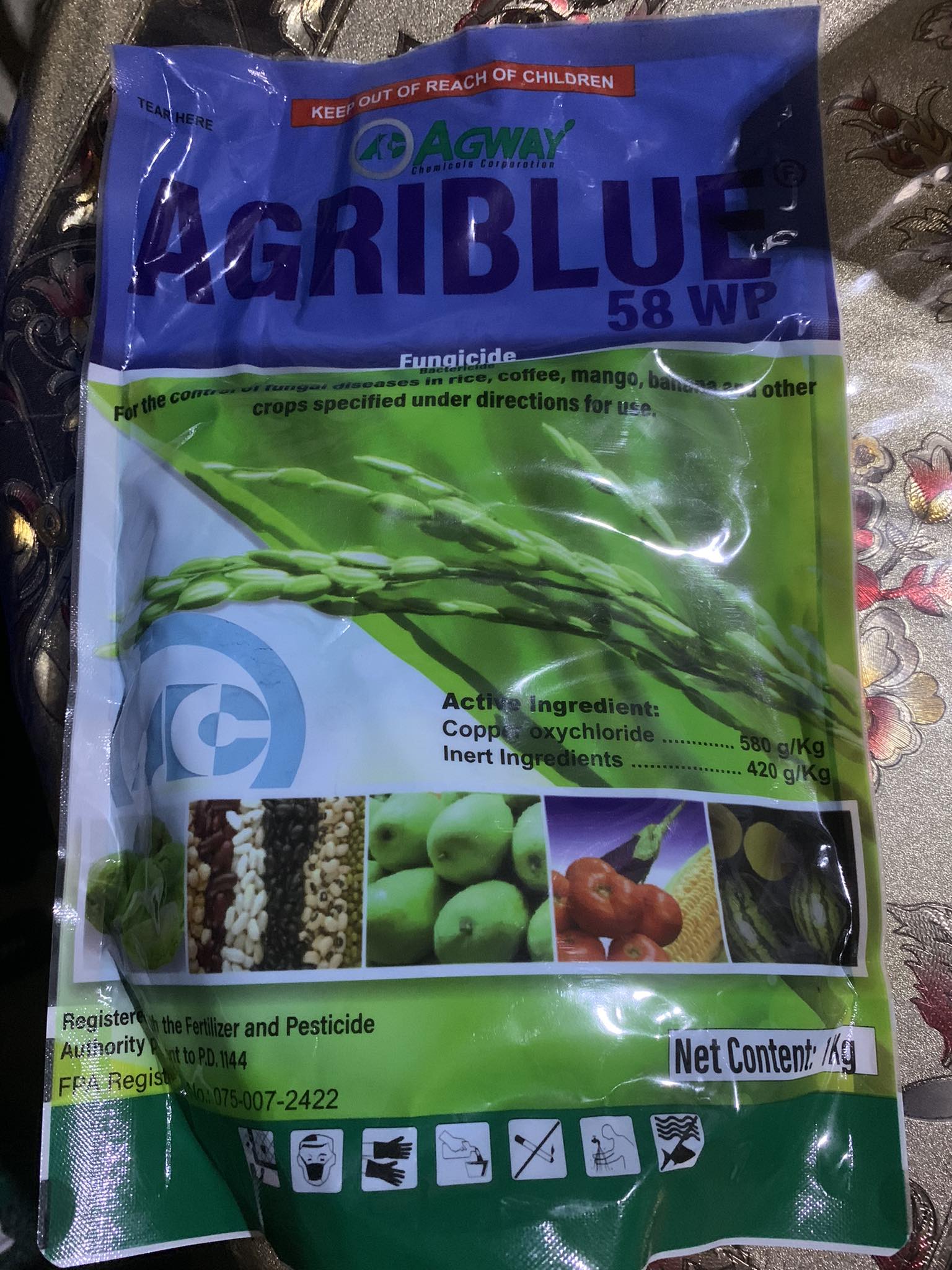
This is the treatment plan given by the Department of Agriculture. 1)Improve the systemic strength of the plants from the inside out by feeding them with Trichoderma (other fungi that combat the bad fungi), 2) continue physically removing (and destroying by burning) the anthracnose from the stems of our plants, 3) spraying plants with a copper compound which is preventative to new lesions. Since anthracnose thrives in moisture, spraying will be done only when rainfall for 12 hours is not expected. Reduce plant stress, keep the root zone moist but surface dry, and ensure adequate and appropriate nutrition. Magnesium and potassium are minerals that will strengthen stems and leaves.
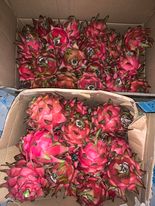
The good news is that the Trichoderma and copper treatments were given for free by the Department of Agriculture. The other good news is that our dragon fruit trees to show their gratitude maybe, gave us a bountiful harvest this week. They also harvested some eggplants, and the okra will be ready next week. They also harvested some saba or cooking bananas which they boil in the afternoon and use to complement their snacks. We provide them with lunch and 2 snacks in the morning and afternoon. They cook their own food. We bought them 2 sacks of rice which they will try to suffice till the end of the program. They complement their food with vegetables they could source and pick from around the farm. They are coming daily to check on their plots and vegetables so instead of a 5-day-a-week program, it is now a 7-day-a-week program. Now that flowers and fruits are coming, they are more motivated to watch what is happening to their plants daily.
This is the sixth-week report. Pictures to follow. Students are grateful for this opportunity. On their own, they could not afford to buy their own seeds, and they did not have land where they could garden and plant. They get an income from the proceeds of their sales.
Sincerely yours,
SGD. Zonia Velasco
Mabuhay Training Program
 Mabuhay Fellowship